EPA Repeals Power Plant Carbon Rules
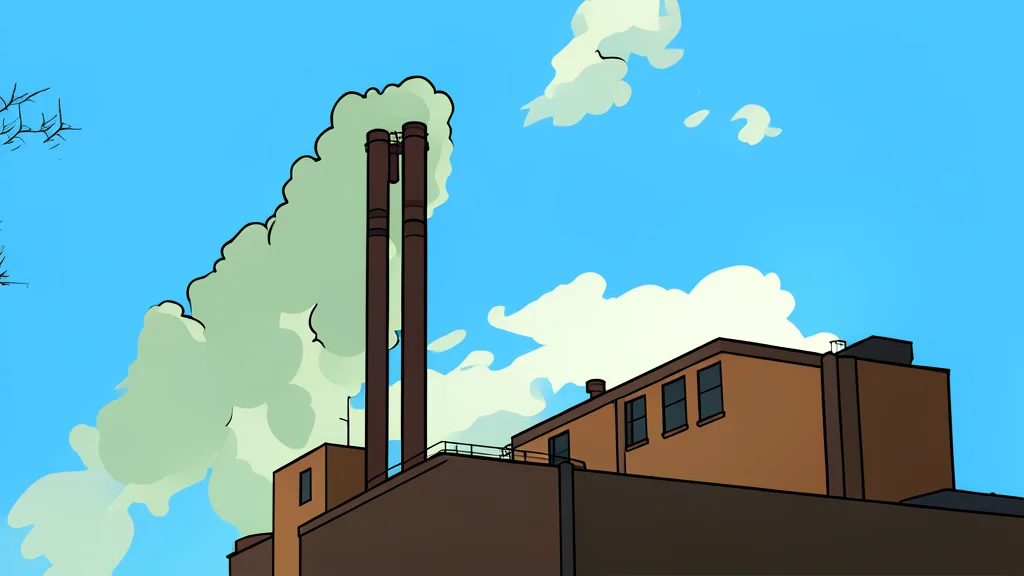
The US EPA has moved to scrap 2024 carbon pollution rules for fossil fuel plants, citing legal constraints and cost concerns. Utilities gain flexibility, but communities face heightened health risks.
The Environmental Protection Agency has finalized the repeal of most provisions in the 2024 carbon pollution rule for fossil fuel power plants. Agency Administrator Lee Zeldin stated that the Clean Air Act does not authorize the regulation of greenhouse gas emissions from this sector. The EPA argued that this position is supported by the recent reversal of the 2009 Endangerment Finding and the Supreme Court’s Loper Bright ruling. The repeal will take effect 60 days after publication in the Federal Register.
In parallel, the agency is seeking to rescind the remaining greenhouse gas standards that still apply to the power sector. This move is expected to slow efforts to reduce pollution from power plants, which remain a major source of climate-related emissions. The change raises concerns for communities already dealing with the health and economic impacts of a warming planet, as fewer safeguards may lead to increased local pollution levels.
Utility Sector Reacts to Regulatory Shift
Industry leaders have welcomed the rollback, arguing that previous rules were too costly and unrealistic for long-term investment planning. Rachael Marsh, chief legal officer at the Edison Electric Institute, said that regulatory certainty is helpful for planning investments that support grid reliability. She emphasized the need for a durable framework that is cost-effective for customers and supports the investments required to meet growing electricity demand.
Jim Matheson, CEO of the National Rural Electric Cooperative Association, described the Biden-era limits as unlawful and unachievable. Michelle Bloodworth, CEO of America’s Power, asserted that the rules effectively forced electricity providers to choose between closing coal plants by 2032 or using carbon capture technology, which she deemed too expensive and insufficiently proven. These comments reflect a broader industry push for regulatory stability and lower compliance costs.
Community Health Risks Escalate
Opponents of the rollback warn that the arguments for cost savings ignore the public costs of increased pollution and delayed climate action. For communities near fossil fuel infrastructure, fewer safeguards mean greater risks over time, even if utilities gain short-term flexibility. The reduction in emissions standards could contribute to worsening heat, wildfire conditions, and flooding, which typically hit families and local governments first.
NASA has noted that human activities, primarily the burning of fossil fuels, have warmed Earth’s surface and ocean basins, impacting the global climate. The EPA’s decision to weaken these standards makes it harder to reduce the emissions that drive these impacts. This creates a tension between industry flexibility and public health protection, with local communities bearing the brunt of the consequences.
Legal Challenges and Public Opposition
Former EPA veterans, environmental groups, and state officials are organizing opposition to the rollback. Some have indicated they intend to challenge the move in court. Connecticut Attorney General William Tong stated that his office is ready to sue again to protect public health and safety, having fought previous regulatory rollbacks.
Kate Wright, Executive Director of Climate Mayors, criticized the EPA for eliminating safeguards that protect families from deadly toxins. She noted that mayors continue to advance local initiatives to protect residents while the federal agency moves backward. The EPA plans to hold a public hearing and open a 45-day comment period on its broader proposal, signaling that the debate over the power sector’s regulatory framework is far from over.