EPA Repeals Power Plant Emission Rules, Affecting Wyoming Coal Sector
The EPA has moved to eliminate greenhouse gas limits on coal and gas plants, a decision that directly impacts Wyoming's energy economy and plant operational costs.
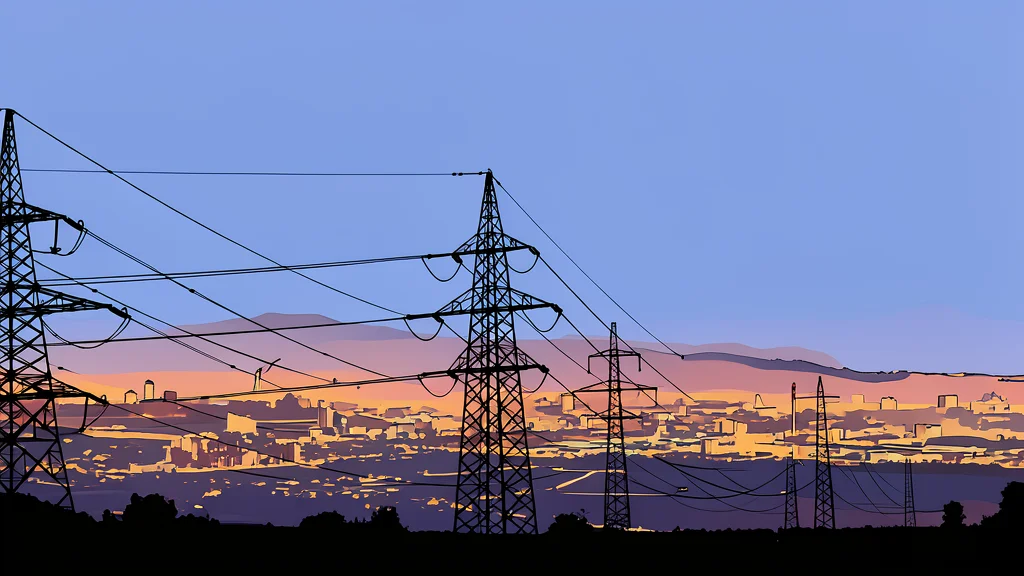
The Environmental Protection Agency announced Monday that it is repealing regulations limiting greenhouse gas emissions from coal and natural gas power plants. This action reverses the framework established under previous administrations and removes mandatory constraints on industrial pollution from stationary sources. The rule change is designed to reduce compliance burdens for utility operators and alter the regulatory landscape for the entire power generation sector.
Wyoming Governor Mark Gordon welcomed the move, stating it eliminates onerous restrictions on the state's fossil fuel industry. Wyoming’s coal sector is uniquely vulnerable to these rules because its production relies almost entirely on domestic customers burning coal for electricity. The state has been a primary litigant against prior federal climate regulations, with mines supporting nearly half of the nation’s coal-fired power plants.
EPA Cites Billions in Savings
The EPA stated that revoking the previous power plant rule will save the industry more than $300 billion in costs. Assistant Administrator Aaron Szabo explained that the change allows utilities to make capital decisions based on ratepayer needs rather than being forced to close aging or inefficient facilities. The agency aims to unleash American energy production by removing what it describes as barriers to efficient plant operation.
A University of Wyoming analysis indicates that the average age of power plants served by Wyoming coal is 41 years. Proponents argue that extending the life of these aging assets, such as the Dave Johnston plant, is economically necessary. The repeal removes the regulatory pressure that previously accelerated retirement schedules for these high-emission facilities, potentially altering the long-term operational viability of legacy infrastructure.
Legal Challenges and Future Regulations
The new rule is expected to face immediate legal challenges from environmental groups. Additionally, the EPA proposed a separate measure to prevent future administrations from regulating greenhouse gas emissions from power plants. This proposal follows an earlier action that revoked the scientific finding which served as the central legal basis for U.S. climate regulations. The finalization of this separate rule is expected next year.
Critics, including the Sierra Club, argue that the repeal locks in expensive and volatile fossil fuel markets. They contend that this approach raises energy costs for consumers and reduces opportunities for job creation in cleaner energy sectors. The organization stated that wind and solar have historically kept rates lower, and that the current move benefits the fossil fuel industry at the expense of public health and economic stability.
Wyoming Coal Industry Stake
Unlike other coal-producing regions that export to global steelmakers, Wyoming’s industry is tied to the domestic power generation market. This dependency makes the state’s economy particularly sensitive to federal regulatory shifts affecting utility demand. The administration’s rollback is viewed by local stakeholders as a critical step to protect tax revenue and investment in the state’s energy infrastructure.
The repeal effectively strips the EPA of its authority to enforce greenhouse gas standards on these facilities, a move that aligns with the broader policy shift seen in the revocation of vehicle emissions standards earlier this year. The outcome will determine the longevity of Wyoming’s coal-fired assets and the trajectory of the state’s energy economy in the coming decade.