EPA Repeals Power Plant Emission Rules to Cut Energy Costs
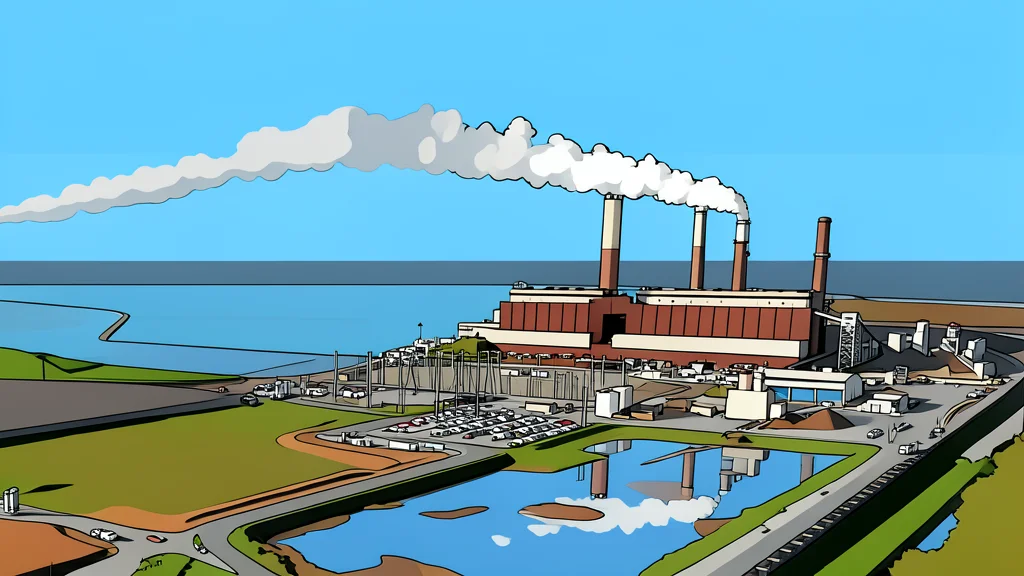
The EPA has finalized the repeal of strict emission standards for coal and gas plants, claiming the move will save $310 billion and lower electricity prices for consumers and industry.
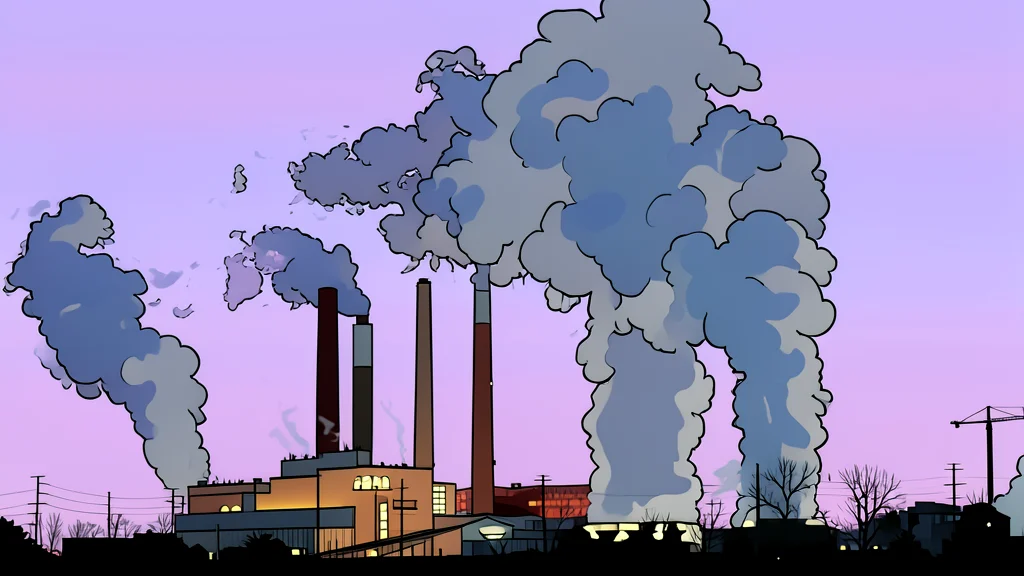
The U.S. Environmental Protection Agency has finalized the repeal of regulations limiting greenhouse gas emissions from coal-fired and new gas-fired power plants. The agency stated that removing these constraints will save the industry $310 billion and reduce electricity prices by allowing increased reliance on domestic fossil fuel resources. This decision reverses 2024 standards that required plants to capture 90% of their carbon pollution, a rule projected to prevent 1,200 premature deaths by 2035 and generate $120 billion in health benefits by 2047.
EPA Administrator Lee Zeldin announced the change during a G20 energy ministers meeting in Houston, framing the rollback as a correction to previous administrations' policies that he described as a "war on coal." The agency now asserts that power plant emissions have no material impact on global climate change, contradicting the scientific basis used to justify the previous regulations. While rules limiting specific pollutants like mercury and lead remain in place, the broader authority to regulate climate pollution from the sector is being dismantled.
Regulatory Shift Impacts Industry Compliance
The repeal removes the mandatory requirement for power plants to install carbon capture technology or significantly cut emissions to meet the 90% reduction target. Under the new framework, utilities are no longer compelled to invest in abatement technologies that the previous administration calculated would reduce sector carbon pollution by 75% compared to 2005 levels. This regulatory relief directly lowers capital and operational costs for operators of aging coal and gas infrastructure, shifting the financial burden of emission control away from the energy sector.
Legal Challenges and Health Projections
Environmental groups have already signaled intent to litigate the decision, arguing it grants the fossil fuel industry a license to pollute. The Sierra Club and other organizations plan to challenge the rollback in federal courts, contesting the EPA's new claim that power plants do not contribute significantly to dangerous air pollution. Critics point to data showing that the U.S. power sector remains the second-largest source of climate pollution, accounting for nearly 25% of national emissions and 3% of the global total.
Broader Deregulation Context for Energy
This move follows the agency's February decision to overturn the 2009 finding that greenhouse gases endanger public health, a legal foundation for its regulatory authority. Concurrently, the administration is supporting the coal sector by ordering aging plants to remain online past their retirement dates and providing over $100 million in federal funding for two new coal facilities with carbon capture. These actions have coincided with a recorded increase in U.S. planet-heating pollution in 2025, reversing prior downward trends driven partly by continued power plant operations.