Wisconsin Gas Plant Proposals Face Cost Scrutiny Amid Data Center Boom
Invenergy’s proposed two-gigawatt natural gas plants in Wisconsin are drawing criticism from clean energy advocates who argue the state’s utility regulatory model incentivizes expensive fossil fuel infrastructure to meet surging data center demand.
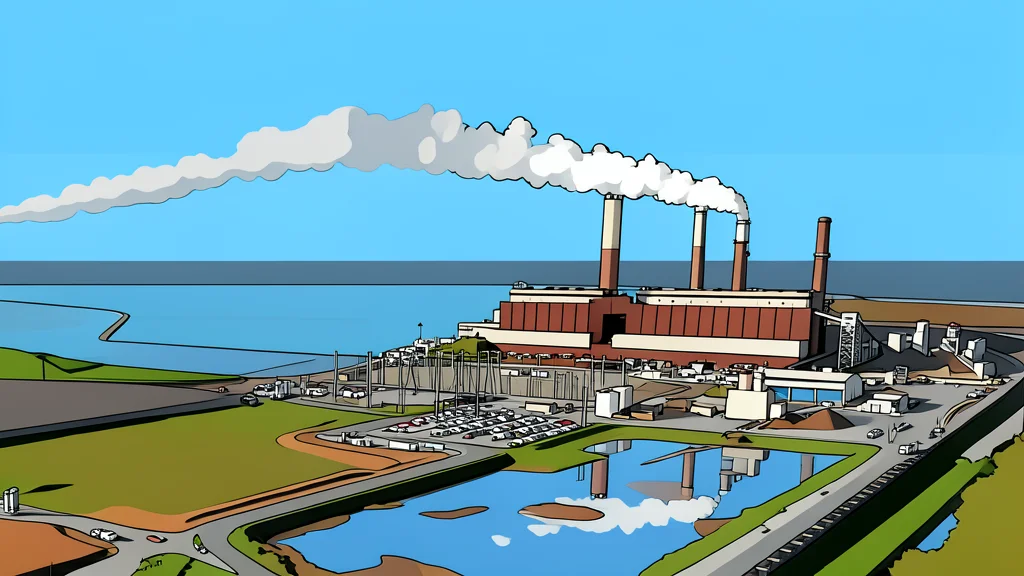
Invenergy is proposing two natural gas power plants in Wisconsin with a combined capacity of nearly two gigawatts, a project that We Energies plans to acquire. The utility argues that these facilities are necessary to maintain grid reliability as electricity demand rises, driven significantly by the expansion of data centers in the state. This proposal sits within a broader trend where Wisconsin’s utility companies, which earn a guaranteed return on infrastructure investments, are looking to build new generation assets rather than relying solely on existing capacity.
Clean energy advocates, including Lauren Reeg of the Evergreen Collaborative, contend that the current regulatory framework creates a financial incentive for utilities to favor fossil fuels. Reeg stated that projected data center demand provides a justification for proposing large new fossil fuel projects instead of investing in lower-cost clean energy alternatives. This concern is heightened by federal legislative moves to roll back pollution limits for power plants, which environmental groups believe could further encourage new gas plant construction in the face of growing data center energy requirements.
Regulatory gaps risk customer costs
A report from the Union of Concerned Scientists highlights a structural flaw in Wisconsin’s rules, allowing power companies to seek approval to build plants before utilities decide whether to purchase the generated electricity. Reeg warned that this sequence could leave ratepayers responsible for the costs of an expensive gas plant if the anticipated data center demand fails to materialize. She emphasized the need for a new system that requires utilities to compare all energy options before committing to new power plant construction.
The financial stakes are substantial, with estimates suggesting data centers could account for up to 68% of Wisconsin’s electricity demand growth by 2030. This surge could lead to as much as $30 billion in added electricity system costs over the next 25 years. Although regulators have blocked utilities from shifting direct data center costs to residential customers, the underlying infrastructure investments still impact broader rate structures.
Residential rates rise despite cost barriers
Wisconsin residential electric rates have increased by nearly 29% since 2021, reflecting the rising costs of maintaining and expanding the power grid. Both We Energies and Wisconsin Public Service are currently seeking double-digit rate hikes for the upcoming two years. These requests come as the state grapples with the balance between meeting new industrial demand and protecting consumers from the financial burden of rapid infrastructure expansion.
Data centers drive demand projection
The rapid growth of data centers is the central factor driving the debate over Wisconsin’s future energy mix. Advocates argue that cleaner alternatives could meet this demand at lower costs, challenging the necessity of the proposed gas plants. The discussion underscores a shift in utility planning, where the reliability of supply for tech-intensive industries is now a primary driver of capital expenditure decisions.
The situation has been analyzed by Civic Media, which reported on the scrutiny facing Wisconsin’s power plant rules. The conflict highlights a tension between the guaranteed return model for utility infrastructure and the potential for more cost-effective renewable solutions. As federal regulations evolve and state-level demand forecasts solidify, the choice between gas and clean energy will determine the long-term financial trajectory of Wisconsin’s electric sector.