EPA Rolls Back Power Plant Carbon Rules
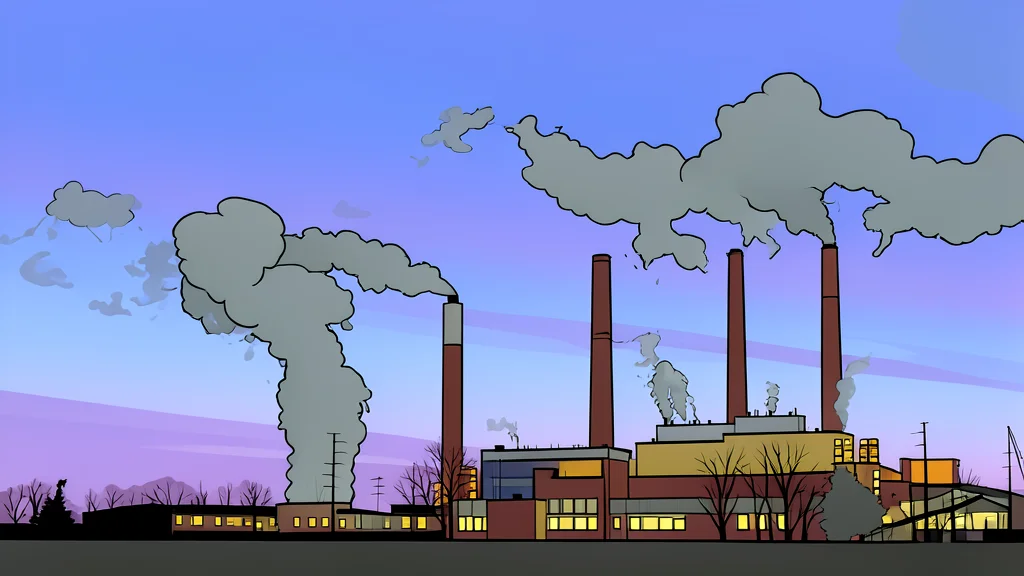
The US EPA has rescinded Biden-era greenhouse gas standards for power plants, a move projected to save $310 billion and preserve coal generation capacity.
The U.S. Environmental Protection Agency has announced the rescission of greenhouse gas standards for the power sector, reversing regulations enacted under the Biden administration. This unilateral executive action aims to reduce compliance costs for energy producers, with the EPA estimating a total savings of $310 billion. The agency stated its intent to eliminate all remaining power-sector greenhouse gas rules, effectively removing the regulatory framework that would have forced the closure of most coal-fired plants by 2040.
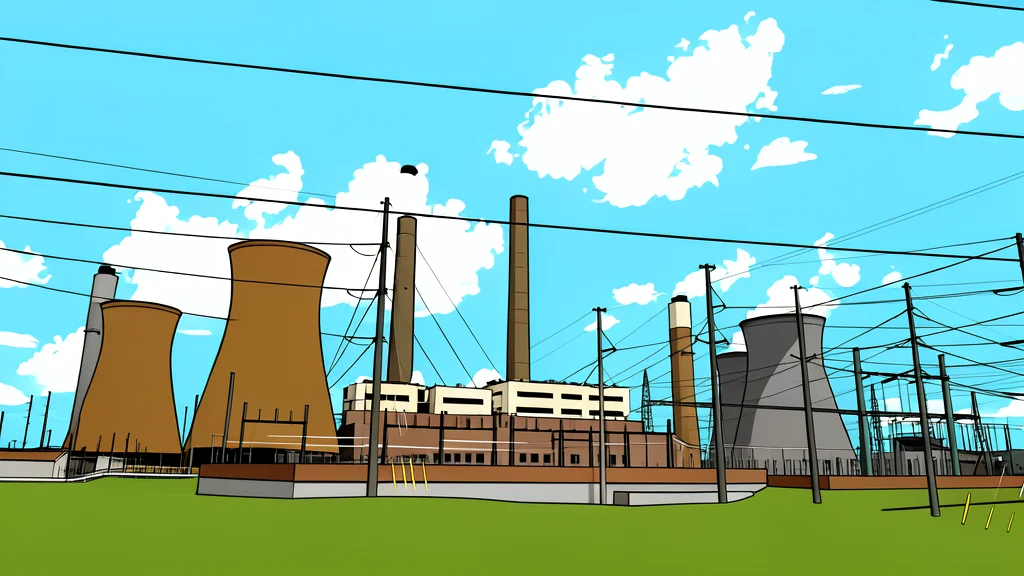
This policy shift directly impacts the operational economics of fossil fuel generators. By lifting the carbon constraints, the move supports the continued viability of coal, which currently supplies approximately 17 percent of U.S. electricity. This places coal as the third-largest power source, trailing only natural gas at 40.8 percent and nuclear energy at 17.7 percent. The administration argues that preserving these baseload sources is critical for grid reliability, particularly as data center demands for consistent power continue to rise.
Coal Remains Core Grid Asset
The decision prioritizes dispatchable energy sources over intermittent renewables. Coal plants offer the ability to generate power independent of weather conditions, a distinct advantage over solar, which contributed only 6.7 percent to the grid in 2025. EPA Administrator Lee Zeldin characterized the previous regulations as an attack on affordable energy, asserting that the new approach will lower electricity prices for consumers. The agency’s release emphasizes that removing these costly roadblocks is essential for meeting the growing, reliable power demands of the modern economy.
Executive Action Bypasses Congress
The implementation of these changes via regulatory authority rather than legislative action has drawn criticism regarding the separation of powers. Critics argue that a policy of this magnitude, affecting national energy infrastructure and consumer costs, should have been debated and passed by Congress. The Las Vegas Review-Journal editorial notes that governance by regulation short-circuits public debate, preventing the kind of compromise and voter accountability that typically accompanies congressional legislation. This procedural method allows for rapid policy reversal without the legislative scrutiny usually associated with major economic shifts.
Market Implications For Energy Sector
For the energy sector, this regulatory relief removes a significant financial hurdle for coal operators. While natural gas remains the dominant fuel source due to its cost-effectiveness and reliability, the preservation of coal capacity adds depth to the nation's baseload generation. The EPA’s estimate of $310 billion in savings suggests a substantial reduction in compliance and capital expenditure costs for power producers. This financial relief may influence investment decisions across the utility and power generation industries, potentially stabilizing long-term pricing structures for commercial and residential customers.