Former EPA Officials Challenge Power Plant Emissions Rollback
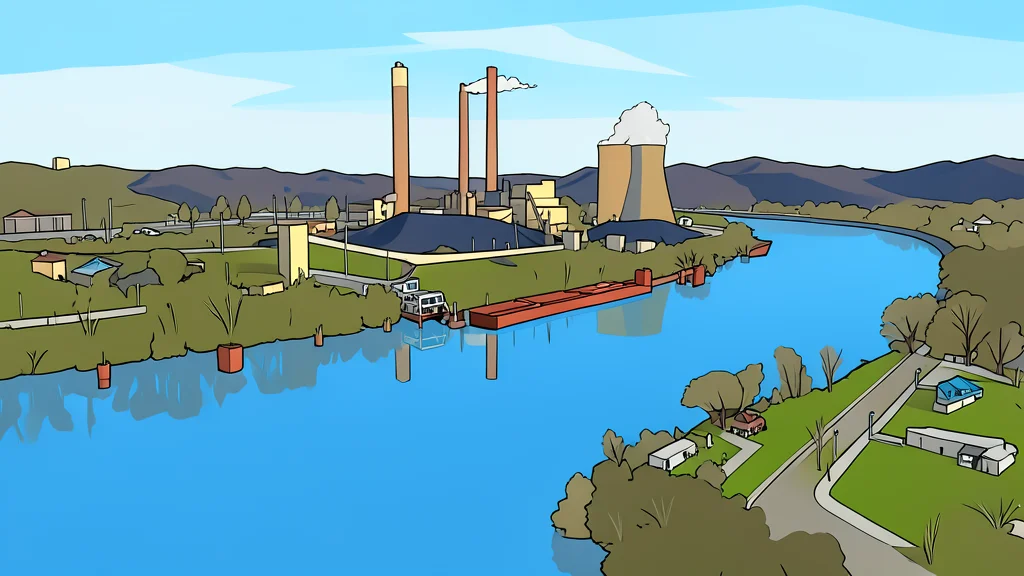
A coalition of former environmental officials from both parties is legally challenging the EPA's recent loosening of emission standards for coal and natural gas power plants, arguing the move undermines decades of regulatory progress.
Former top aides to the Environmental Protection Agency have filed a lawsuit against the current administration's decision to weaken emission rules for existing power plants. The group includes former senior officials who served under multiple presidents, indicating a bipartisan consensus that the recent regulatory changes are flawed. The core of the dispute centers on the EPA's authority to set and modify standards for pollution from coal-fired and natural gas facilities.
The plaintiffs argue that the agency failed to follow proper legal procedures when it revised the rules, specifically regarding the definition of what constitutes a 'modification' of a power plant. This technical distinction determines whether a facility must install expensive pollution control equipment. By redefining these terms, the EPA has effectively allowed plants to make significant physical changes without triggering new emission limits, a move critics say creates a loophole for increased pollution.
Legal Challenge Targets Regulatory Authority
The lawsuit, reported by WMAR 2 News Baltimore, contends that the EPA exceeded its statutory authority under the Clean Air Act. The former officials claim that the agency's new interpretation of the law is inconsistent with past legal precedents and scientific data on health impacts. They argue that the rollback ignores the cumulative effects of emissions from multiple sources, which have significant implications for public health in downwind communities.
The regulatory change affects a wide range of industrial operations, particularly those involving large combustion turbines. The plaintiffs assert that the new rules create an uneven playing field by allowing some facilities to bypass controls while others remain subject to stricter standards. This inconsistency, they argue, undermines the integrity of the national permitting process and could lead to higher long-term costs for healthcare and environmental remediation.
Bipartisan Criticism Highlights Policy Shift
The involvement of former officials from both Democratic and Republican administrations underscores the rarity of such a unified critique. This coalition suggests that the recent policy shift deviates significantly from established regulatory norms that have guided environmental policy for decades. The lawsuit seeks to overturn the new rules, arguing that they lack a sufficient factual basis and fail to account for the complex technical realities of power plant operations.
Industry representatives have not publicly commented on the specific legal claims but have generally supported regulatory flexibility for existing infrastructure. The legal battle is expected to test the limits of agency discretion in defining environmental standards. The outcome will have significant implications for the energy sector, potentially dictating whether plants must invest in new abatement technologies or can operate with less stringent controls.
Impact on Power Plant Operations
For power plant operators, the legal uncertainty complicates capital planning and maintenance schedules. Facilities that have already invested in pollution control technologies may face different regulatory environments than those planning future upgrades. The lawsuit could force a re-evaluation of compliance strategies, with companies weighing the risks of litigation against the benefits of regulatory relief. The resolution of this case will likely set a precedent for how future administrations interpret and enforce environmental regulations.