Judge Invalidates Coal Plant Emergency Orders
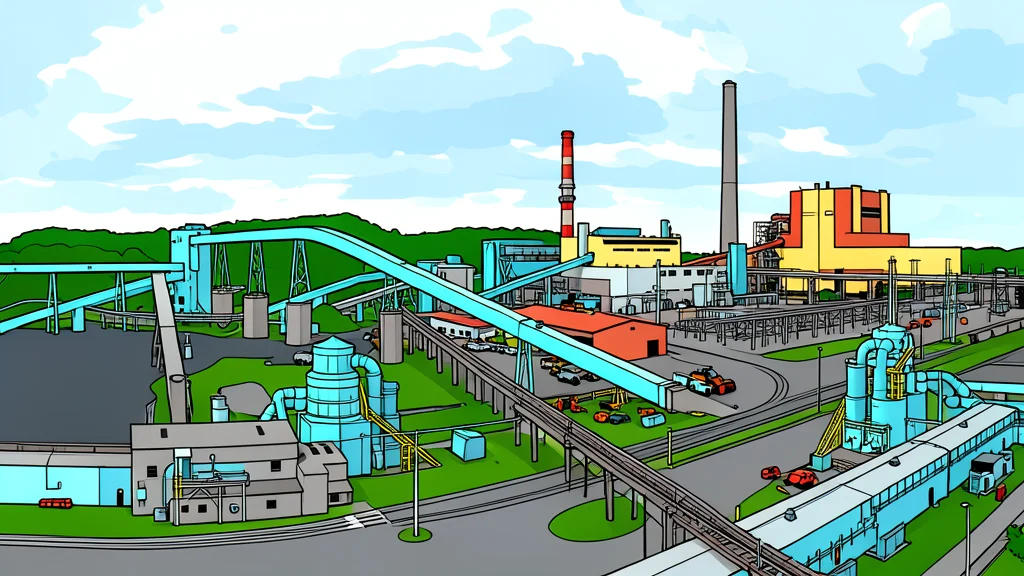
A DC Circuit court ruling has invalidated the Department of Energy’s emergency declarations, forcing the immediate closure of the J.H. Campbell plant.
The DC Circuit Court of Appeals has ruled that the Department of Energy’s emergency declarations to keep coal plants open are contrary to federal statute. The unanimous three-judge panel issued the decision on Friday, specifically addressing the J.H. Campbell Generating Plant in Michigan. This plant was scheduled to close last year but remained operational due to five separate 90-day emergency orders issued by the DOE. The court found that the agency’s interpretation of Section 202(c) of the Federal Power Act was legally unsound, effectively ending the administrative hold on this specific facility.
The ruling stems from the second Trump administration’s strategy to prop up declining coal usage through aggressive regulatory interventions. Coal generation has been falling for nearly two decades, a trend the previous administration failed to reverse. In response, the current DOE leadership has utilized emergency powers to prevent scheduled retirements, arguing that a sudden increase in demand or shortage exists. This legal challenge, brought by states and other parties, marks the first successful judicial rejection of this approach, setting a precedent that applies to all coal plant closures currently blocked by similar emergency declarations.
Legal Basis for Emergency Powers
The core of the dispute centers on the interpretation of Section 202(c) of the Federal Power Act. This statute permits the DOE to declare an emergency only in cases of war or a sudden, verifiable shortage of electric energy. The court determined that the DOE’s actions did not meet the statutory threshold for such an emergency. By extending the life of the J.H. Campbell plant through repeated short-term orders, the agency effectively circumvented the market-driven retirement schedule. The judges concluded that the mere existence of aging infrastructure or political preference does not constitute the sudden demand spike or shortage required by law.
Impact on Grid Operators
For utility companies and grid operators, this decision removes a layer of regulatory uncertainty regarding coal asset retirement. The J.H. Campbell plant, previously held open by executive order, must now proceed with its scheduled decommissioning. This affects capacity planning in the region, as operators can no longer rely on government-mandated extensions to offset the loss of other baseload generation. The ruling clarifies that the DOE cannot use emergency powers to manage long-term energy policy, forcing the market to adjust to the actual retirement timeline of these facilities.
Precedent for Future Closures
Although the decision directly impacts only the Michigan-based plant, its legal reasoning is expected to apply to all other coal facilities currently under similar DOE emergency declarations. The administration’s strategy of using wartime-style emergency powers to sustain coal usage has been legally checked. This creates a clear boundary for future agency actions, limiting the DOE’s ability to intervene in specific plant retirements unless a genuine, statutory emergency exists. Stakeholders in the energy sector can now expect a stricter judicial scrutiny of any future attempts to delay coal plant closures through executive orders.