Court Rules Michigan Coal Plant Extension Unlawful
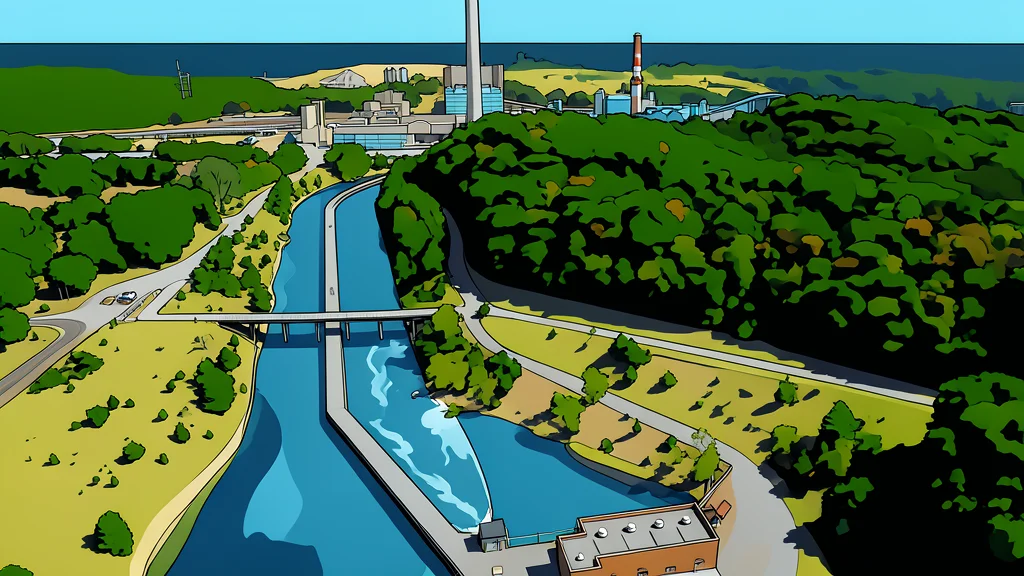
A federal appeals court has invalidated the Energy Department's emergency order to keep the J.H. Campbell coal plant operational, ruling that no statutory emergency existed to justify delaying its scheduled retirement.
The U.S. Court of Appeals for the D.C. Circuit ruled on Friday that the Department of Energy exceeded its statutory authority when it compelled the 64-year-old J.H. Campbell power plant in Michigan to remain in service past its planned closure. The unanimous panel rejected the administration’s use of emergency powers under the Federal Power Act, determining that the conditions did not meet the legal threshold for a genuine emergency. This decision overturns the directive that forced the facility to continue operations, a move that had been contested by Michigan, Illinois, and Minnesota, as well as environmental advocacy groups.
Judge Cornelia Pillard, writing for the panel, characterized the relevant section of the Federal Power Act as a narrow, last-resort backstop. She noted that reversing the plant’s long-planned retirement caused disruption without a corresponding statutory justification. The court’s ruling effectively ends the federal mandate for the Campbell facility, though it serves as a precedent in a broader legal battle involving several coal-fired plants across the country that the administration has attempted to keep online through similar emergency declarations.
Financial Impact of Extended Operations
Officials cited costs of at least $135 million for keeping the Campbell plant open during 2025. These expenses are borne by ratepayers in the Midwest, increasing utility bills for families and businesses. Ted Kelly, U.S. clean energy director at the Environmental Defense Fund, stated that the unlawful actions resulted in wasteful spending for a facility that should have been shut down over a year prior. The ruling removes this specific financial burden from current utility bills, although the retroactive costs remain a point of contention for stakeholders.
Environmental and Operational Consequences
Critics argue that extending the life of aging coal infrastructure adds avoidable air and water pollution. Kelly described the Campbell plant and similar sites as expensive, health-hazardous, and prone to frequent breakdowns. The court’s decision aligns with the view that these facilities are unreliable and economically inefficient. By invalidating the emergency order, the ruling supports the operational plan for the plant’s retirement, which had been carefully scheduled to reduce environmental impact and stabilize regional energy costs.
Broader Legal Precedent for Energy Policy
This case is part of a series of disputes arising from the Trump administration’s strategy to use emergency powers to prevent the closure of half a dozen coal-fired plants nationwide. The D.C. Circuit’s interpretation of the Federal Power Act’s emergency provisions sets a restrictive standard for future similar orders. The Department of Energy has not yet responded to requests for comment regarding the ruling or its potential implications for other facilities under similar directives. The decision signals a significant legal check on executive authority in energy infrastructure management.