Massachusetts Gas Utility Customers Face Billion-Dollar Bill Cut
A new study challenges the safety rationale behind Massachusetts' gas pipe replacement program, prompting lawmakers to propose cutting spending by over $1 billion.
Massachusetts gas customers have funded a multi-billion dollar state program to replace aging pipelines, a measure designed to enhance public safety and reduce methane emissions. However, legislative momentum is shifting toward eliminating the Gas System Enhancement Program (GSEP), with the state Senate estimating the move could save consumers more than $1 billion on their monthly bills.
A recent report from The Future of Heat Initiative, a nonprofit supported by climate-focused foundations, argues that increased spending on pipe replacement has not yielded measurable safety improvements. The study suggests that states with aggressive replacement initiatives, including Massachusetts, have experienced higher incident rates than those with less spending, indicating that the excavation process itself may introduce significant operational risks.
Study Links Excavation To Incident Rates
The report analyzed federal gas incident data before and after 2011, a period when federal policies aimed to improve system safety. It found that while national incident rates have declined, there was no statistically significant change in the trend slope following the surge in replacement spending. Notably, states that invested most heavily in pipe replacement saw higher rates of significant incidents, including fatalities and hospitalizations, compared to other states.
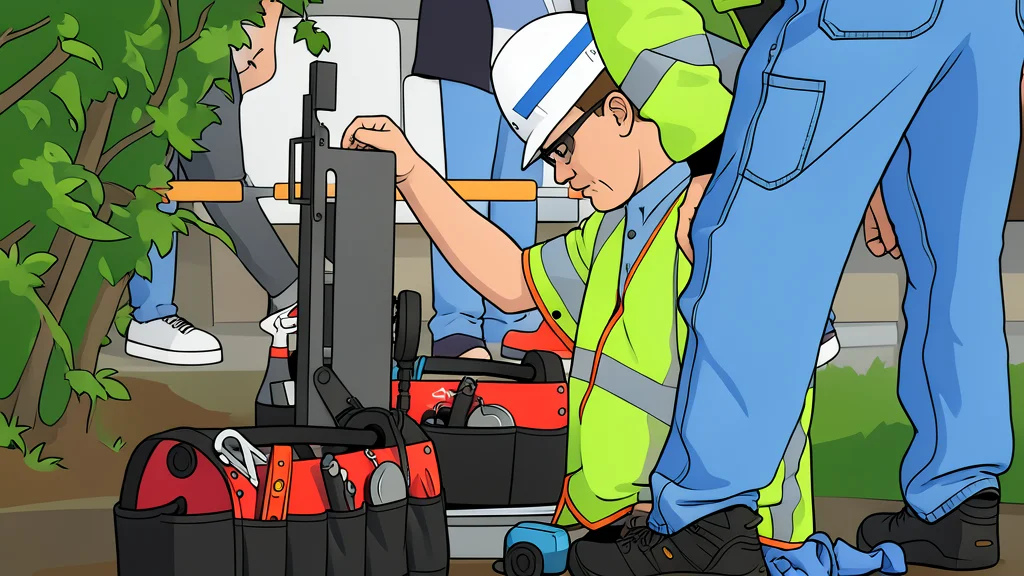
Michael Bloomberg, executive director of The Future of Heat Initiative, attributed the increased risk to excavation damage, a primary cause of gas main incidents. Jamie Van Nostrand, the organization’s policy director and former chair of the Massachusetts Department of Public Utilities, stated that regulators can confidently reduce spending on these programs without compromising system safety. The study’s findings provide strong evidence for opponents arguing that the current spending levels are not delivering the promised safety benefits.
Legislators Negotiate Sweeping Energy Bill
Lawmakers are currently negotiating a comprehensive energy bill that could determine the future of GSEP, which was established in 2014. Spending on the program ballooned to roughly $800 million in 2024, costs that are passed directly to customers through monthly bills. Senator Michael Barrett, who supports phasing out the program, noted that the state has paid significantly for infrastructure upgrades without achieving the expected safety gains.
Barrett stated that the Senate’s proposal could save customers as much as $1.46 billion over the next decade. He argued that the premise of increased safety was flawed, asserting that residents were not made safer by the aggressive replacement strategy. The legislative debate highlights a tension between immediate affordability concerns and long-term infrastructure maintenance, with the Senate favoring cost reduction over continued capital expenditure.
Utility Warns Of Future Risks
The gas industry has disputed the study’s findings, arguing that pipeline replacement efforts have protected customers by preventing failures that are otherwise unmeasurable. Brendan Moss, a spokesperson for National Grid, stated that the Senate’s proposal would limit essential investments while failing to deliver meaningful affordability improvements. He warned that deferring work on aging, leak-prone infrastructure does not eliminate the need but shifts costs into the future while increasing risks to the system.
Moss emphasized that the need to replace aging infrastructure will not disappear, and that the current approach is necessary to maintain the reliability of the gas network. The dispute centers on whether the immediate financial burden on customers justifies the potential long-term operational risks associated with delaying maintenance. As the energy bill moves through the legislature, the outcome will determine whether Massachusetts continues its aggressive pipe replacement strategy or pivots to a more cost-conscious model.