Thailand Power Demand Set to Jump 5.3% in 2026
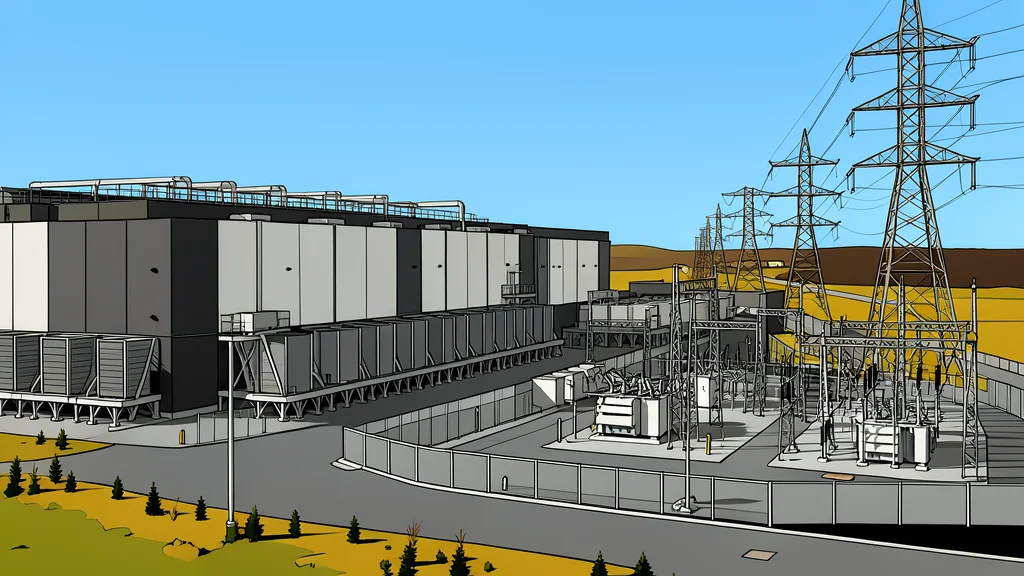
Thailand's energy outlook points to a sharp rise in consumption driven by electronics and data centers, prompting regulatory intervention to manage grid capacity.
Thailand’s electricity consumption is projected to increase by 5.3% in 2026, marking the strongest annual growth rate in the past nine years. This forecast, issued by the Energy Policy and Planning Office, indicates that demand expansion is accelerating to its fastest pace since at least 2018. The surge aligns with broader trends in energy usage supported by rising electronics shipments, government-led investment, and increased household spending.
The first half of the year already demonstrated a 6% uptick in domestic energy use, with the industrial sector accounting for more than 40% of nationwide demand. Within manufacturing, electronics producers were the primary drivers of this growth, followed closely by automotive manufacturers. Service industries, including retail and tourism-linked operators such as hotels, also contributed to the rising consumption figures.
Electronics and Data Centers Drive Demand
The country’s position in the global AI buildout is a key factor behind the projected power surge. Local manufacturers are increasing the output of components for computing and data-center infrastructure, a trend that the International Monetary Fund has identified as a major benefit for Asian economies through electronics exports. A wave of new data-center projects is expected to further elevate future electricity requirements, linking tech infrastructure development directly to grid load.
Regulatory Halts Signal Grid Constraints
In response to these pressures, the government has temporarily halted dozens of new projects to establish rules regarding power and water usage. This regulatory pause highlights the near-term challenge of ensuring the grid can keep up with expanding industrial needs. The situation creates uncertainty for supply chains and tech operators, as the speed of grid expansion now becomes a critical variable for business planning.
Market Implications for Industrial Consumers
For companies operating in Thailand’s manufacturing and service sectors, the power puzzle offers a clear indicator of where growth and costs will land next. Investors tracking the energy sector should note that the interplay between rapid demand growth and regulatory caution defines the near-term outlook. The ability of the grid to absorb new load will determine the operational stability of electronics and automotive firms reliant on consistent power supply.