XPeng Licenses Self-Driving Tech After Tesla Stalls
XPeng is scaling a licensing model for its autonomous driving stack, a strategy Tesla has attempted without success. Recent financial data shows significant growth in service revenue, driven by the Volkswagen partnership.
XPeng is actively marketing its autonomous driving and smart cockpit technologies to a broader pool of customers, including foreign automakers and software developers, according to a report cited by GN auto stocks/technology: tech stocks. The Chinese electric vehicle maker established a strategic commercialization team six months ago to pursue these external licensing deals, moving beyond its existing partnership with Volkswagen. This initiative offers a complete package comprising electrical architecture, Turing AI chips, ADAS software, and robotics systems, positioning XPeng as a technology supplier rather than just an OEM.
The move marks a distinct shift in the competitive landscape of self-driving technology. While Tesla has spent years attempting to license its Full Self-Driving system to other manufacturers without securing signed agreements, XPeng is reporting inbound interest from multiple parties. The company indicates that potential clients include legacy carmakers and independent software firms, suggesting a growing demand for external autonomy solutions that do not carry the liability risks associated with Tesla's proprietary stack.
Volkswagen Deal Drives Service Revenue Growth
The financial impact of this strategy is already visible in XPeng’s books, largely driven by its relationship with Volkswagen. VW invested approximately US$700 million in 2023 for a 4.99% stake, leveraging XPeng’s software for its China-market electric vehicles. The jointly developed ID.UNYX 08 SUV, which entered mass production in March 2026, runs on XPeng’s technology platform. This arrangement has contributed to a 93.9% year-over-year increase in service revenue, reaching about US$400 million in the second quarter of 2026.
This surge in high-margin, non-hardware income represents the core economic logic behind the licensing push. By monetizing its software and chip capabilities independently of vehicle sales, XPeng aims to diversify its revenue streams. Despite this positive trend, the stock remains down approximately 47% year-to-date, though it saw a slight 3% increase following the report on new licensing efforts.
Tesla Licensing Efforts Face Rejection
XPeng’s success in finding takers contrasts sharply with Tesla’s stalled efforts. Elon Musk has repeatedly indicated willingness to license Tesla’s FSD technology since 2021, including claims of discussions with major automakers in 2024. However, these initiatives have not resulted in any signed licensing deals. In November, Musk acknowledged that automakers are unwilling to adopt the technology, citing a lack of interest from potential partners.
The primary obstacle for Tesla appears to be liability. Legacy automakers reportedly requested that Tesla assume full responsibility for accidents involving licensed systems, a condition Musk deemed unworkable. Ford CEO Jim Farley also publicly stated a preference for competitors like Waymo. This standoff highlights a fundamental difference in how the two companies approach the commercialization of their autonomy stacks.
Redundant Safety Systems Differentiate XPeng
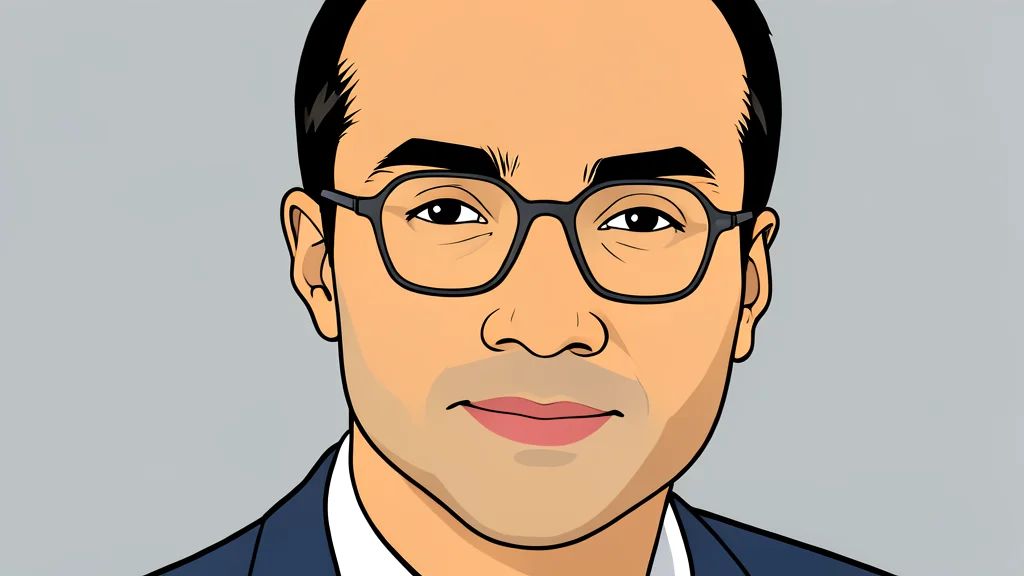
Technologically, XPeng’s approach offers a different risk profile than Tesla’s vision-only system. While both companies rely on end-to-end neural networks and camera-based driving, XPeng retains radar and ultrasonic sensors as a redundant safety layer. Dr. Xianming Liu, XPeng’s head of AI, explained that these sensors operate independently from the main driving AI to power active safety features like automatic emergency braking.
This architectural choice provides a hardware safety net that Tesla removed in pursuit of a pure vision system. For potential licensing customers concerned about the reliability of neural networks in critical driving scenarios, XPeng’s redundant system design offers a more conservative and potentially more marketable solution. This distinction may be a key factor in XPeng’s ability to attract partners where Tesla has faced resistance.