AI Data Center Growth Shifts Focus to Power and Land
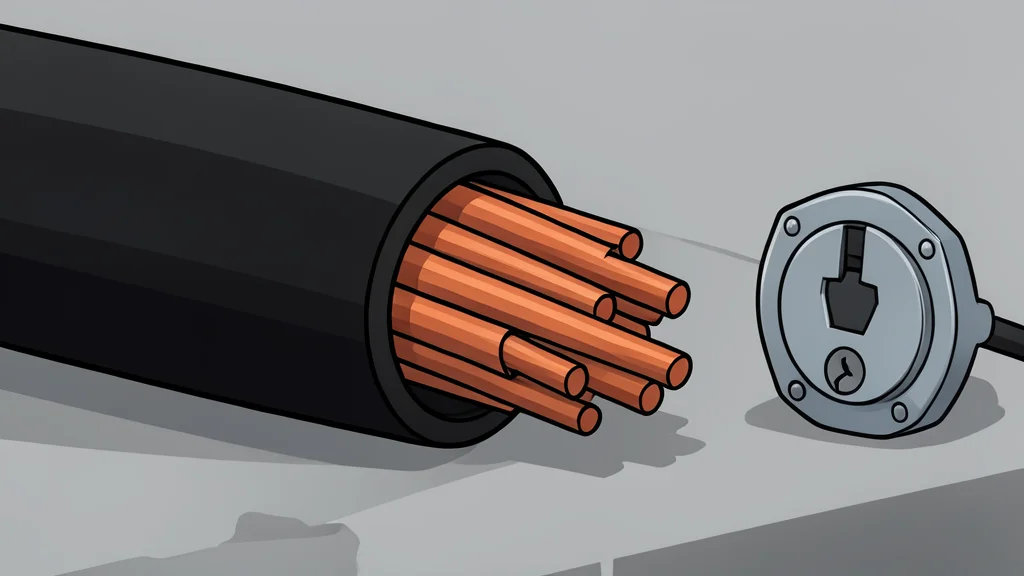
The biggest obstacle to AI expansion is no longer chip supply but the physical capacity to house and power servers.
The bottleneck in artificial intelligence development has moved from the chip itself to the concrete and copper that house it. Jensen Huang, CEO of Nvidia, recently stated that securing land, electrical power, and building shells is now the primary constraint limiting AI growth. This shift highlights a critical gap in the supply chain that traditional cloud providers are struggling to fill.
To address this, Nvidia has placed significant bets on specialized infrastructure partners, notably CoreWeave and Nebius. By investing billions of dollars into these firms, Nvidia is acknowledging that the physical expansion of data centers requires partners who can navigate local zoning, power grids, and construction logistics more rapidly than the established giants.
Physical Constraints Define New AI Limits
For years, the industry narrative focused on GPU scarcity. Now, the challenge is logistical. Nvidia anticipates revenue growth of roughly 70% annually, but customer demand is exceeding 100%. This discrepancy means that even with ample chip supply, companies cannot deploy new AI capabilities without the physical infrastructure to support them. The difficulty lies in finding available power grids and suitable land in time to match the speed of technological demand.
CoreWeave Balances Growth Against Debt
CoreWeave exemplifies the high-stakes nature of this buildout. The company reported second-quarter revenue of $2.58 billion, a significant increase from the previous year. Its backlog of contracted work has swelled to $104 billion, reflecting strong long-term demand. However, this expansion is funded largely through debt, with total liabilities reaching approximately $33.8 billion. The company also posted a net loss of $626 million, illustrating the heavy capital expenditure required to maintain such rapid growth.
This financial structure presents a distinct trade-off. While the massive backlog suggests secure future revenue, the high debt load increases financial risk. Investors must weigh the potential of the $104 billion contract pipeline against the immediate cash flow challenges and the company's raised capital expenditure guidance for 2026. The strategy relies on the assumption that infrastructure demand will remain robust enough to service this debt.
Nebius Offers a Different Financial Model
Nebius, another key partner in this ecosystem, is pursuing a more profitable path. The company grew its quarterly revenue by 454% to $582 million and achieved a 50% adjusted EBITDA margin. By cutting its adjusted net loss by 64%, Nebius demonstrates that neocloud operators can achieve operational efficiency alongside rapid scale. This performance contrasts with CoreWeave’s loss-making model, suggesting that different approaches to infrastructure management can yield varying financial outcomes.
According to GN auto tech/cloud: cloud infrastructure, the sector is projected to grow from $25 billion in 2025 to $400 billion by 2031. This trajectory indicates that the physical expansion of data centers will be a defining economic force in the coming decade. The success of these new players will determine how quickly the AI boom can translate into widespread technological capability, shifting the focus from digital innovation to industrial capacity.