AI Demand Drives RTX 5090 Prices Past $5,000
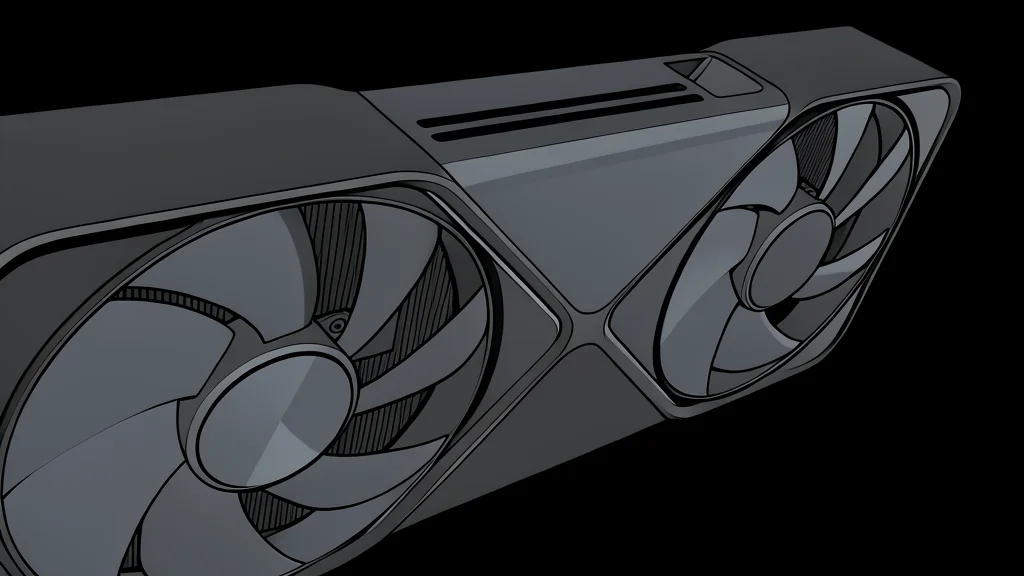
NVIDIA's top-tier gaming graphics cards are disappearing from retail shelves as companies repurpose them for artificial intelligence servers. This shift has pushed consumer prices above $5,000, creating a significant gap for gamers seeking high-end hardware.
The GeForce RTX 5090, originally priced at $1,999, is now selling for over $5,000 in the United States and more than €5,200 in Europe. This surge is not due to standard market fluctuations but rather a systematic diversion of hardware. System integrators are bulk-purchasing these consumer-grade cards to build AI inference servers, effectively removing them from the gaming market. The result is a supply chain where high-end computing power is prioritized for data centers, leaving individual users with limited availability and inflated costs.
According to reports from GN technics/gaming, this trend highlights a structural conflict between consumer electronics and enterprise computing. The RTX 5090 offers a compelling price-to-performance ratio for AI workloads compared to professional alternatives. By stripping the cooling fans and installing the boards into server chassis, companies can utilize the card's compute capabilities without paying the premium associated with NVIDIA's professional lineup. This practice has created a gray market where the most powerful consumer GPUs are treated as industrial components rather than gaming peripherals.
Consumer Cards Serve as AI Infrastructure
The primary driver behind this diversion is the cost efficiency of the RTX 5090 for specific AI tasks. NVIDIA's professional workstation card, the RTX PRO 6000, costs $16,000 and includes 96GB of video memory. However, many small-to-mid-size AI applications do not require that level of memory. The standard RTX 5090 provides substantial compute power, making it a valuable asset for AI inference even at its inflated street price. For operators, the math favors using multiple consumer cards over a single expensive professional unit, provided they can secure the hardware.
A critical factor enabling this diversion is the lack of software restrictions. Unlike the previous generation, where NVIDIA implemented Lite Hash Rate limits to deter crypto mining, the RTX 50 series lacks similar barriers for AI workloads. This absence of throttling means consumer cards can be deployed in server environments without performance penalties. Furthermore, the existence of a China-exclusive variant with reduced compute power has made the standard model even more attractive for gray-market procurement, as buyers seek the unrestricted performance for commercial AI deployments.
NVIDIA Attempts to Redirect Market Demand
NVIDIA is responding to this shift by introducing the RTX 5500 Pro Blackwell, a workstation edition designed specifically for AI applications. This product uses the same underlying architecture as the RTX 5090 but features 84GB of GDDR7 memory, significantly more than the gaming version. The strategy aims to capture higher margins through the professional channel while steering AI server demand away from the consumer line. However, the long-term impact remains uncertain as the pricing and supply timeline for the new workstation card are not yet fully established.
This dual-track approach reflects a broader strategic pivot. NVIDIA is positioning AI as its core business pillar, adjusting its hardware lineup to maximize revenue from enterprise clients. While this benefits the company's bottom line, it exacerbates the scarcity for gamers. The trade-off is clear: the company is prioritizing high-volume, high-margin AI sales over the stability of the consumer market. Until professional alternatives become more accessible and affordable, the diversion of consumer GPUs will likely continue, keeping prices elevated and availability low.
Supply Chain Pressures Extend Beyond GPUs
The impact of this demand is not limited to graphics cards. NVIDIA's supply commitments have risen sharply, with a significant portion tied to memory procurement. This surge in demand for high-bandwidth memory is affecting the broader semiconductor industry. Micron Technology, a key memory supplier, has seen its stock value increase substantially over the past year, driven by the volume of AI hardware being produced. The ripple effect indicates that the AI boom is straining multiple segments of the supply chain, from chip fabrication to component manufacturing.
For consumers, the implication is a prolonged period of high prices and limited choice. The competition for hardware resources between gaming and artificial intelligence is reshaping the market. While the RTX 5090 remains a powerful tool for AI, its removal from the consumer sphere represents a significant loss for the gaming community. The current situation underscores a fundamental tension in the tech industry, where the drive for enterprise-scale computing is increasingly consuming resources originally intended for individual users.