India's EV Charging Growth Leaves Smaller Cities Behind
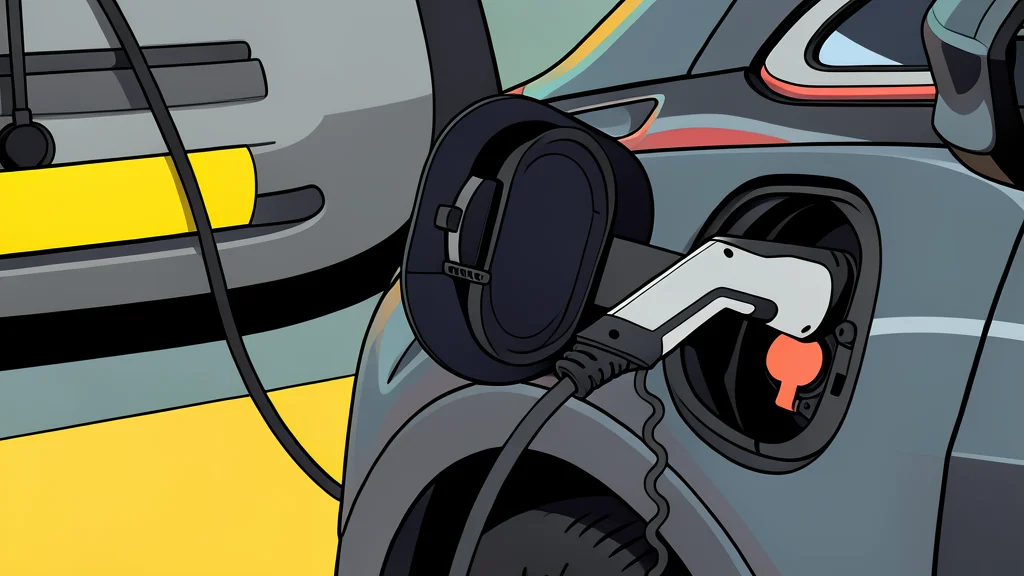
Public charging stations have quadrupled in India, but the network remains heavily skewed toward major metropolitan areas, leaving smaller towns and commercial fleets underserved.
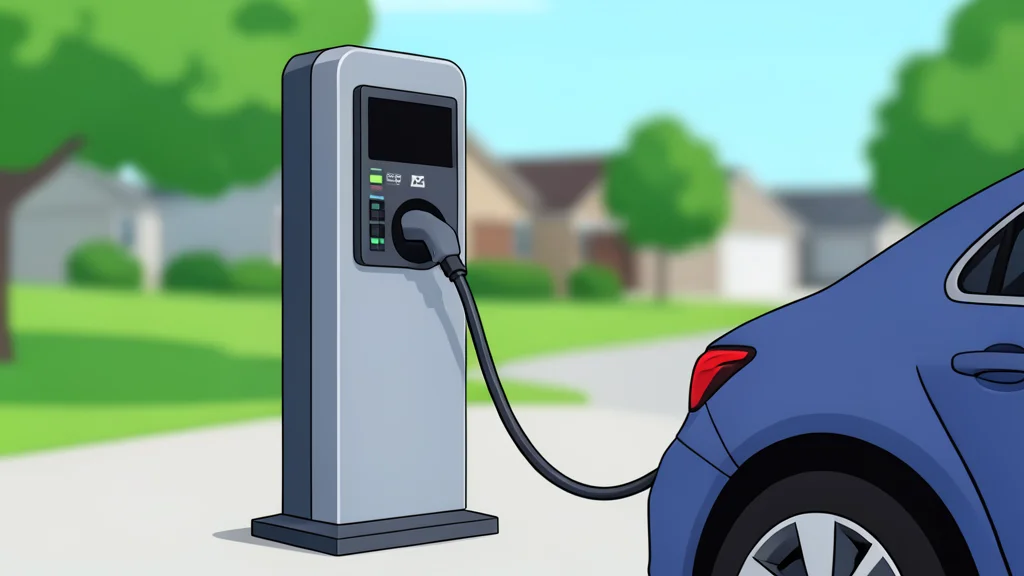
India’s public electric vehicle charging network has expanded nearly fourfold in just two years, reaching approximately 27,737 stations by March 2026. However, this rapid growth is not evenly distributed. The majority of new infrastructure is concentrated in tier-one cities, creating a significant gap in coverage for tier-two and tier-three regions. This imbalance is reshaping how businesses view the commercial viability of expanding charging networks beyond urban centers.
Rajneesh Khattar, senior group director at Informa Markets India, noted that while headline figures suggest robust progress, the ground reality shows deep geographic inequality. He explained that the shift in demand is driven by the fact that many households and offices in smaller cities now have their own charging setups. As a result, the urgency for public stations in these areas has decreased, particularly where two-wheeler and three-wheeler vehicles dominate usage, according to GN auto tech/ev: electric vehicle reporting.
Home charging reduces public demand
The primary driver for this concentration is the sufficiency of private charging for daily commuting needs. In smaller markets, where EV adoption is largely led by two-wheelers and three-wheelers, residents can easily charge at home or within residential complexes. This reduces reliance on public infrastructure. Consequently, the demand for public charging is now primarily driven by four-wheeler owners and commercial fleet operators, segments that are heavily concentrated in major metros and intercity corridors.
Grid reliability shapes investment choices
Chargepoint operators are making rational business decisions based on market conditions rather than neglecting smaller cities. Metro areas offer higher density of four-wheeler EVs, better grid reliability, and potential for premium pricing, leading to faster return on investment. In contrast, tier-two and tier-three markets present challenges such as uncertain demand, grid instability, and lower utilization rates. These factors result in longer payback periods, making expansion into these areas less attractive for investors.
Commercial fleet infrastructure remains missing
A sharp distinction exists between the success of electric bus deployments and the lack of infrastructure for private logistics and freight operators. While government schemes like FAME-II and PM-eBus Sewa have driven electric bus adoption, commercial vehicle charging infrastructure remains virtually non-existent for private fleets. This gap highlights a critical bottleneck in the broader electrification of commercial transport, even as passenger vehicle adoption grows in urban centers.