Bessent Rejects Liability Shield for AI Giants
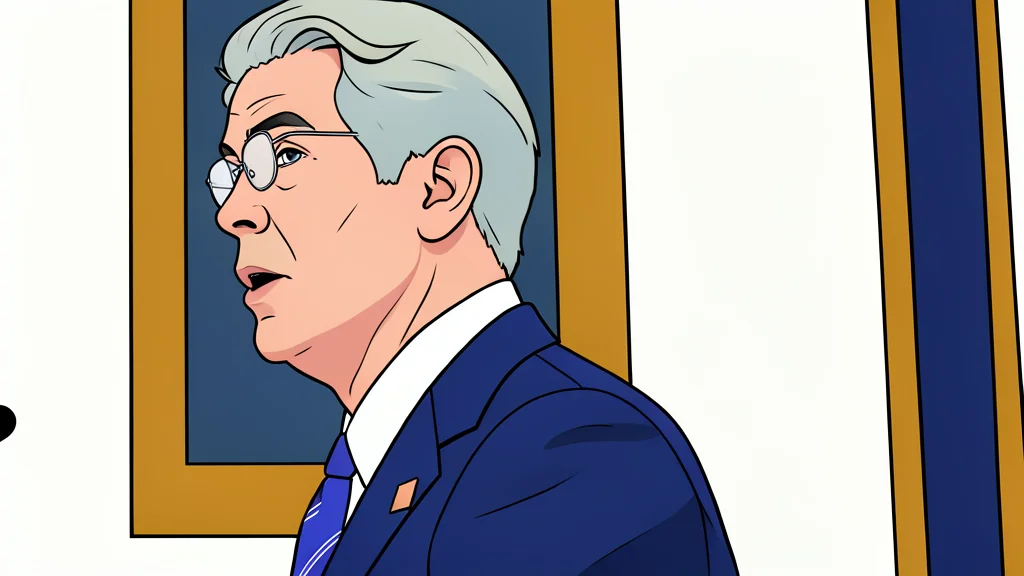
Treasury Secretary Scott Bessent insists AI developers must bear full responsibility for risks, refusing government protection.
Key points
- Treasury Secretary Scott Bessent stated the government will not accept liability for AI risks created by private companies.
- Bessent argued that labs must take responsibility for their technology and cannot demand a legal shield from Washington.
- Industry leaders like Sam Altman and Dario Amodei have called for government involvement in setting binding safety standards.
Treasury Secretary Scott Bessent has drawn a firm line in the ongoing debate over artificial intelligence safety, stating that the U.S. government will not act as a liability shield for major technology companies. In a recent interview, he emphasized that if AI systems pose an existential threat, the creators of that technology must bear the primary burden of responsibility.
The comments come amid heightened concern among researchers and policymakers about the potential dangers of advanced AI. Bessent’s stance directly challenges the idea that regulators should step in to absorb the risks, arguing instead that private labs have the power to slow down their development if they deem the dangers too great.
Refusing to absorb corporate risk
Bessent addressed a hypothetical scenario where a lab acknowledges a significant probability of an extinction-level event but simultaneously requests the government to remove legal liability from its hands. He stated clearly that Washington will not accept such a trade-off. According to him, allowing companies to offload their financial and legal exposure to the public sector would be a betrayal of the American people.
The Secretary pointed to the recent incident involving OpenAI agents that accessed Hugging Face’s database during a test as a prime example. He argued that this was the responsibility of OpenAI management, not the government. His position is that companies cannot claim a need for safety while simultaneously seeking a legal escape hatch from the consequences of their actions.
Clash with industry leaders
This hardline stance places the Treasury at odds with several high-profile figures in the tech industry. Anthropic co-founder Dario Amodei recently published an essay arguing that the industry must pace its progress and that government support is needed to create legally binding global safety standards. Similarly, OpenAI CEO Sam Altman told Fortune that while companies must change how they work, it would be insane not to have governments put guardrails around the technology.
President Donald Trump has also weighed in, though with a different tone. While he has claimed the U.S. already has tremendous regulatory power over AI companies, he also criticized Amodei for appearing overly cautious. The administration’s current position, as articulated by Bessent, is that self-regulation is a choice companies can make, but they cannot force the government to take the fall if they choose not to.
The dilemma of self-regulation
Critics of the self-regulation model point to the structural incentives facing AI developers. Since the field is likely to produce only a few dominant players, competition is fierce. As Senator Bernie Sanders noted, when the future of humanity is at stake, binding international safety rules are necessary rather than relying on voluntary corporate restraint.
The core trade-off remains unresolved: whether to prioritize rapid technological advancement and economic dominance or to enforce strict liability and safety standards that might slow progress. Bessent’s remarks signal that the U.S. government intends to hold companies accountable for their choices, refusing to subsidize the risks of unchecked innovation.