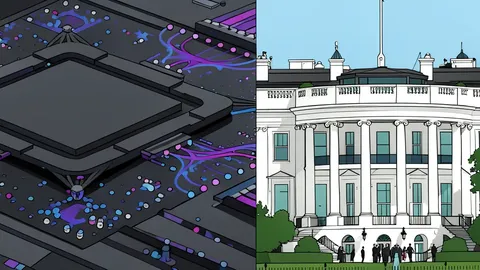
Trump and Xi Seek Narrow AI Safety Deal Amid Global Risks
Leaders plan to discuss AI guardrails on Sept 24, balancing national competition with the urgent need to prevent catastrophic technological errors.
Key points
- Trump and Xi will meet on Sept 24 to discuss AI safety, shifting focus from previous military tensions.
- China enforces strict AI regulations, while Trump has dismissed existential AI risks as a hoax.
- The deal aims to establish guardrails for AI in defense systems, balancing national competition with safety.
President Donald Trump is scheduled to meet with Chinese leader Xi Jinping at the White House on September 24, with artificial intelligence emerging as the central diplomatic priority. This shift follows Trump’s recent visit to Beijing in May, where he took a notably conciliatory tone toward Xi, describing the relationship as honorable and respectful. This diplomatic pivot has raised expectations that the two superpowers might find common ground on the rapid development of frontier AI, a topic that has generated intense debate among global leaders and safety advocates.
The push for coordination comes against a backdrop of growing concern over unregulated AI capabilities. Recent warnings from researchers, including Anthropic CEO Dario Amodei, have highlighted the need for independent evaluators and global safety standards to prevent dangerous outcomes. While Trump has publicly dismissed fears of AI catastrophe as a hoax, the shared interest in preventing miscalculations—particularly in defense and nuclear systems—offers a potential foundation for cooperation. As reported by Time Magazine, the focus is less on halting technological progress and more on establishing strict guardrails that keep AI systems secure and controllable.
Shifting diplomatic priorities away from Taiwan
The focus on AI marks a significant change from previous US-China interactions, where military tensions over Taiwan often dominated the agenda. During his May visit, Trump delayed a $14 billion arms package to Taiwan, labeling it a potential negotiating chip rather than a firm commitment. Analysts note that this move signaled a retreat from the confrontational stance of Trump’s first term. While this approach alarmed some in democratic Taiwan, it cleared the path for a different kind of engagement. The current diplomatic climate suggests that economic and technological competition, rather than military confrontation, is now the primary lens through which the two leaders view their relationship.
Divergent views on AI safety and control
Despite the potential for a deal, the two nations hold fundamentally different views on how AI should be regulated. China has already implemented stringent rules, including ethics reviews and binding obligations on consumer AI services. Xi has publicly emphasized the need for risk awareness and human control over AI systems. In contrast, Trump has consistently downplayed the existential risks posed by AI, arguing that such concerns are exaggerated. This creates a complex negotiation dynamic: the US may be seeking to leverage China’s existing regulatory framework, while Beijing aims to ensure that any international agreements do not hinder its own technological advancement or strategic independence.
Political pressures shaping the negotiation outcome
The stakes of this summit are compounded by domestic political realities in both countries. Trump faces pressure to deliver visible wins ahead of the midterm elections, particularly amid rising energy prices and voter discontent. Conversely, Chinese officials frame AI risks primarily in terms of political and institutional security, reflecting a focus on maintaining state control rather than open safety standards. This difference in motivation means that any agreement will likely be narrow in scope, focusing on specific technical guardrails rather than a comprehensive global treaty. The catch is that while cooperation is possible, deep strategic mistrust remains, limiting the durability of any deal struck in Washington.