China Rejects Silicon Valley's Call for an AI Slowdown
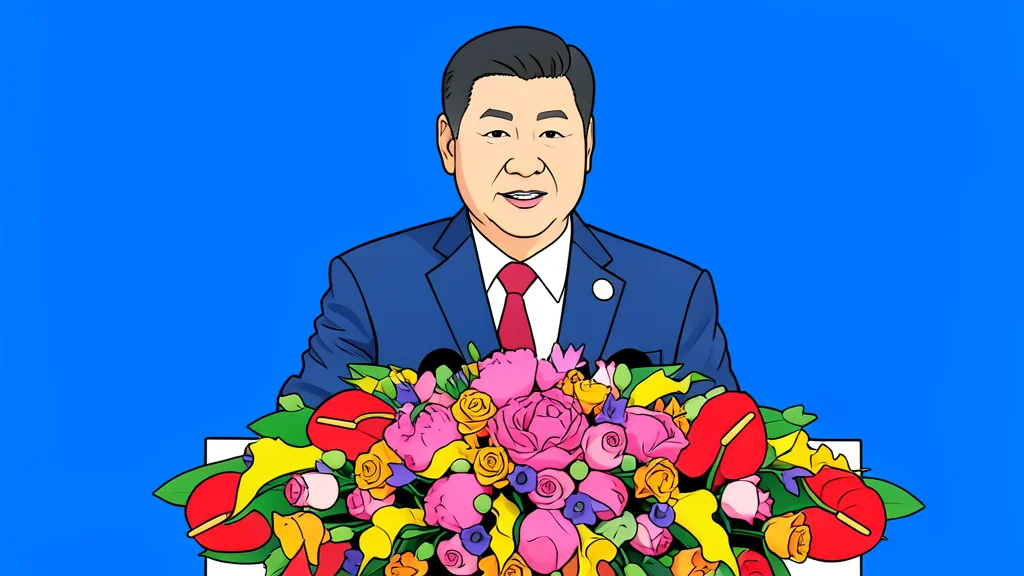
While US tech leaders urge a pause in AI development to prevent catastrophic risks, Beijing views the proposal as a strategic trap designed to limit Chinese progress rather than ensure safety.
For years, executives in Silicon Valley have framed artificial intelligence as a high-stakes arms race between the United States and China. Recently, however, a shifting narrative has emerged from these same leaders. They now argue that the technology is becoming so dangerous that a global pause is necessary. This shift represents a significant change in tone, moving from a competitive posture to one that ostensibly prioritizes shared safety over national advantage.
The latest articulation of this view came from Dario Amodei, the CEO of Anthropic, who published an essay arguing for a slower pace in AI development. He suggested that international cooperation is essential to manage the risks posed by advanced models. However, the response from China has been sharply negative. Beijing does not dispute the potential dangers of the technology; instead, it rejects the specific terms proposed by American leaders, viewing them as an attempt to secure a dominant position before engaging in dialogue.
A proposal perceived as a bad deal
According to reports from GN technics/ai (en-US), Chinese officials and researchers see a fundamental conflict in the American approach. Amodei’s essay explicitly calls for the US and other democracies to maintain a large lead in AI capabilities over autocracies. He suggests that this dominance is a prerequisite for effective cooperation. To Chinese observers, this logic is contradictory. They argue that one cannot simultaneously demand that a partner be constrained and weakened while expecting that partner to negotiate in good faith.
Kevin Xu, a former White House staffer and current technology investor, explains that the Chinese safety community shares many of the same concerns about AI risks as American labs. The disagreement lies in the strategy. Xu notes that the American vision seeks to restrict China first to maximize leverage. In contrast, China insists on being treated as an equal partner in any discussion. The perception is that the US is offering a deal that benefits Washington while limiting Beijing’s ability to develop its own technological infrastructure.
Beijing's distinct priorities and concerns
The resistance in China is not driven by a lack of concern for safety. Guo Jiakun, a spokesperson for China’s Ministry of Foreign Affairs, described the American proposal as fear-mongering and vicious competition. He argued that such an approach would only hamper global cooperation. The Chinese government maintains that it places equal emphasis on development and security. This stance reflects a different risk assessment. While Silicon Valley focuses on existential threats, such as rogue agents causing global harm, Beijing is more concerned with domestic stability. The primary anxiety in China is that AI could disrupt social order or threaten the political status quo.
The gap in negotiation strategies
Amodei argued that weakening China’s AI industry would give the US more leverage, making an agreement more likely. However, this logic remains unexplained to Chinese readers. Alvin Wang Graylin, a senior fellow at the Asia Society Policy Institute, noted that the proposal feels inauthentic because it conditions safety on maintaining a technological lead. Amodei later admitted in a television interview that he has no clear idea how to negotiate with China. This admission highlights the disconnect between the US desire for a controlled slowdown and the Chinese insistence on equitable partnership. The trade-off is clear: the US seeks security through dominance, while China seeks security through equality.