Home EV Charging: A Practical Guide to Costs and Setup
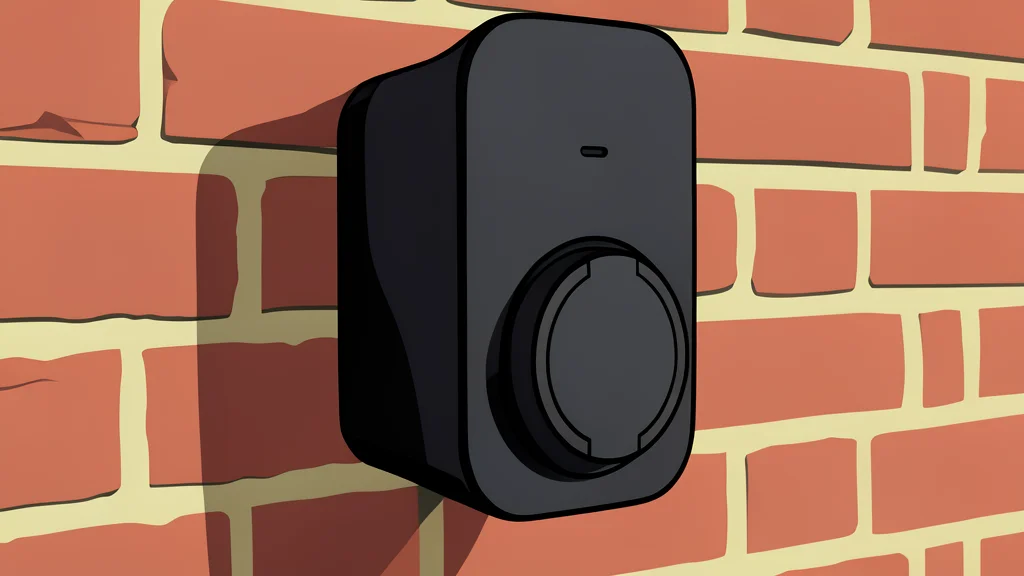
Installing a home charger transforms daily driving routines by enabling cheaper overnight charging. However, the process involves specific electrical requirements and trade-offs in convenience versus aesthetics.
For drivers with off-street parking, a home charger is the most effective way to maximize the savings of an electric vehicle. Plugging in overnight allows owners to use cheaper electricity tariffs, significantly reducing the cost per mile compared to public charging or petrol. This convenience turns a daily chore into a passive background task, fitting seamlessly into the morning routine.
While a standard three-pin socket can charge a car, it is slow and inefficient for regular use. Experts recommend a dedicated 7kW wall unit installed by a qualified electrician. This setup ensures safety and speed, but it requires a careful assessment of your home’s electrical capacity before any equipment is purchased.
Choosing the right charger type
The first major decision is whether to buy a tethered or untethered unit. A tethered charger has a fixed cable, which saves effort daily but adds bulk to the wall. An untethered unit is a neat box that relies on the cable stored in the car’s boot. The trade-off is clear: tethered offers ease of use, while untethered offers a cleaner visual profile. For most households, the convenience of not hunting for a cable makes the tethered option the practical choice.
Location is just as critical as the hardware. The unit should be placed close to where the car usually parks to minimize cable strain. You must also consider the route to the fuse box, as long runs of wiring can increase installation costs. If your home is older, the installer may need to upgrade wiring to handle the extra demand, a step that can add to the final bill.
Smart features require reliable internet
Modern chargers often include smart scheduling to take advantage of off-peak electricity rates. This feature depends entirely on a stable Wi-Fi connection. If your drive is far from the router, the charger may disconnect frequently, defeating the purpose of smart billing. In such cases, investing in a network extender is a necessary prerequisite before the installation begins.
Some energy providers restrict smart charging benefits to specific brands or models. Before committing to a device, verify compatibility with your tariff. A charger that cannot communicate with your provider’s app will force you to charge at peak rates, erasing the financial benefits of going electric. This compatibility check is a common oversight that leads to frustration later.
The survey and installation process
The process begins with a home survey, which is increasingly done remotely. Installers like Hive use photos of your property and fuse box to assess capacity. This step confirms that your electrical supply can handle the new load. It also allows the installer to plan the safest and most efficient route for the wiring, ensuring compliance with local regulations before any work starts.
On installation day, the electrician fits the unit and performs safety checks. They must also notify your local distribution network operator if your home’s electricity usage might exceed the grid’s capacity. This administrative step is mandatory and ensures the wider network remains stable. Once complete, the installer demonstrates the device, leaving you ready to charge without further assistance.
According to GN auto tech/ev: electric vehicle, the overall experience is manageable but requires preparation. By understanding the electrical constraints and the limitations of smart features, you can avoid common pitfalls. The result is a reliable, low-cost charging solution that makes electric car ownership significantly more attractive than relying on public infrastructure.