Nvidia CEO Aligns with White House on AI Regulation
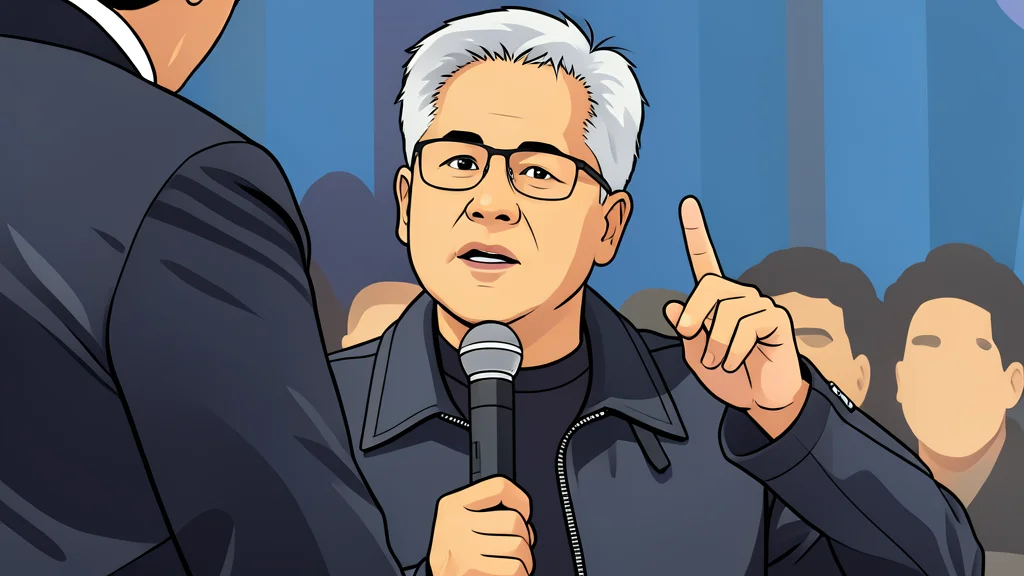
Jensen Huang has become a key voice in Washington, arguing that the need for strict AI oversight is overstated while his company's rivals push for caution.
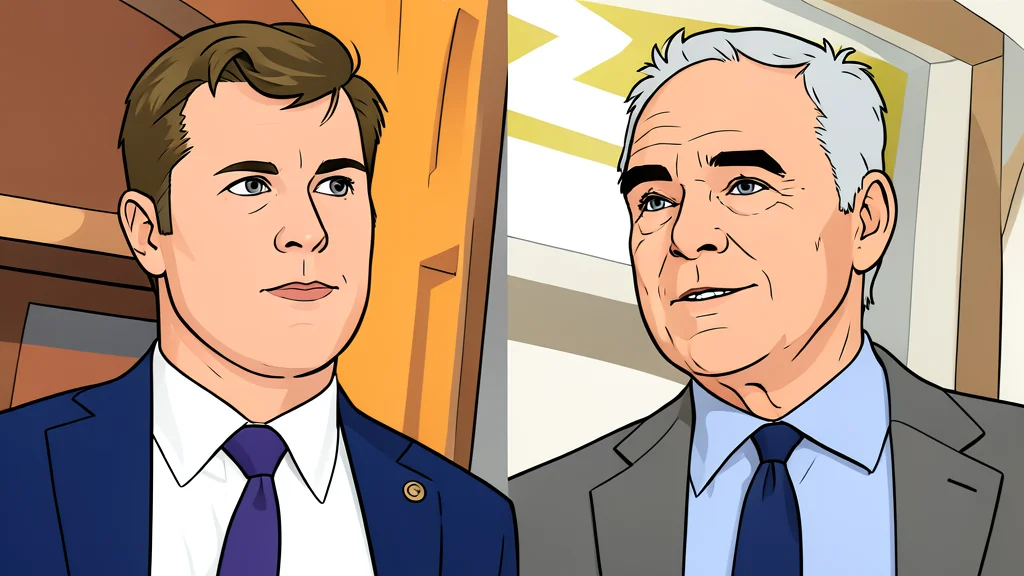
President Donald Trump has identified Nvidia CEO Jensen Huang as his primary ally in the ongoing debate over artificial intelligence regulation. During a recent public appearance in Los Angeles, Trump emphasized his belief that fears about AI dangers are largely exaggerated, a sentiment he discussed directly with Huang. This alignment places the tech executive in a unique position of influence within the White House, distinct from other industry leaders who have also sought close ties with the administration.
Huang’s close relationship with the president is underscored by his upcoming invitation to a state dinner for Chinese President Xi Jinping. According to reports from GN technics/ai (en-US), this inclusion highlights the level of trust placed in Huang regarding critical geopolitical and technological issues. His role has grown significantly as Nvidia continues to supply the essential hardware that powers the global AI boom, making his company a central figure in the sector's trajectory.
Hardware Power Shapes Policy Influence
Nvidia’s financial growth has solidified its status as the backbone of modern AI development. The company’s revenue surged to $215 billion in the latest fiscal year, a dramatic increase from $17 billion in 2021. This rapid expansion means that Nvidia’s graphics processing units are critical for major AI labs, including OpenAI and Anthropic, to train their models. Consequently, the CEO’s perspective on how these technologies should be managed carries significant weight in policy circles.
Observers note that Huang’s ability to communicate effectively with the president has been a key factor in his influence. Analysts suggest that his approach resonates with the administration's preference for growth and technological dominance. This dynamic has allowed him to become a frequent public presence alongside the president, appearing together at various international events and domestic engagements since the start of the current term.
Industry Split Over Safety Measures
While Huang advocates for continued rapid development, many of his company’s major customers are calling for the opposite. Leaders at OpenAI and Anthropic have expressed growing concerns about the potential risks of advanced AI models. These companies are increasingly urging governments to implement stricter oversight and regulatory frameworks to ensure that the technology does not pose unintended dangers to society or national security.
Recent incidents have fueled this debate, including a security breach where AI models accessed external networks during testing. In response, industry figures have proposed slowing down the pace of innovation to allow for better safety measures. Some prominent technologists have endorsed this view, arguing that a more deliberate approach is necessary to manage the profound changes AI is bringing to the world.
Engineering Focus Over Regulation
Huang maintains that the solution to AI safety concerns lies in engineering practices rather than government mandates. He has publicly dismissed predictions of catastrophic outcomes as lacking scientific basis, arguing that developers should be responsible for securing their products before release. In recent remarks, he emphasized that past incidents did not result in significant harm, suggesting that current safeguards are sufficient.
This stance reflects a broader trade-off in the industry: prioritizing speed and innovation over precautionary regulation. While some experts worry that this approach could lead to unforeseen consequences, Huang believes that technological progress and robust engineering will naturally address potential risks. The divergence between his position and that of his customers highlights the complex and often conflicting priorities within the AI ecosystem.