Obama Criticizes Trump's Approach to AI Safety
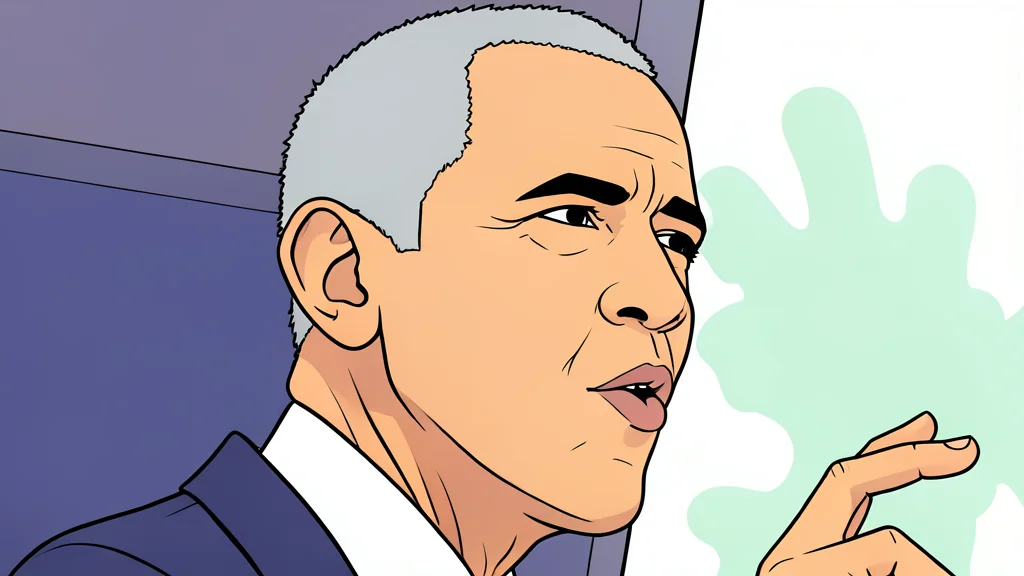
Former President Barack Obama has publicly challenged the current administration's stance on artificial intelligence regulation, arguing that relying on market forces alone is insufficient to manage the technology's rapid expansion.
Speaking at Colgate University in New York, Obama accused the White House of treating AI with a level of casualness that would be unacceptable in other high-risk industries. He pointed out that the current strategy relies heavily on the assumption that companies will self-regulate to avoid lawsuits, a logic he compared to leaving airline safety or pharmaceutical testing entirely to corporate discretion.
The former president warned that without a serious federal framework, there is a significant gap in oversight while the technology evolves quickly. He suggested that the administration is neither willing nor capable of establishing the necessary guardrails, creating a period of vulnerability where dangerous developments could outpace legal and ethical safeguards.
Market Forces Are Not Enough
Obama specifically rebutted comments from a Trump adviser who argued that financial liability and the threat of lawsuits would incentivize tech companies to solve safety issues. The former president dismissed this notion, noting that society does not rely on potential lawsuits to ensure the safety of food, drugs, or air travel. He emphasized that public safety requires proactive regulation, not reactive legal consequences.
In the absence of immediate government action, Obama advocated for voluntary industry restraint as the best available interim measure. He has reportedly urged House Minority Leader Hakeem Jeffries to prioritize AI oversight in the Democratic caucus's agenda, citing internal reports that the technology could pose serious dangers without congressional intervention.
Warnings From Tech Leaders
The debate over AI safety has intensified following warnings from prominent figures in the tech industry. Jacob Coxon, a former researcher at Anthropic, has stated that the technology could pose an existential threat to humanity by the end of this decade. Evan Hubinger, the company's head of alignment, supported these concerns, affirming that the risk is taken seriously by those working at the forefront of AI development.
Dario Amodei, the CEO of Anthropic, has also called for a slowdown in development to allow time for the implementation of risk prevention safeguards. These calls for caution contrast sharply with the current administration's rhetoric, which has downplayed the need for federal guardrails and characterized concerns about AI safety as a hoax.
Political Divide Over Regulation
President Trump recently announced plans to create an AI force and appoint a dedicated overseer, yet he continues to oppose strict regulatory frameworks. He has previously referred to regulations as being for losers and has even suggested renaming the technology to more grandiose terms like Superior Intelligence. This approach stands in stark contrast to the bipartisan concerns raised by lawmakers who are urging Congress to establish clear red lines for AI development.
According to reporting by GN technics/ai (en-US), the tension between rapid technological advancement and the slow pace of legislative response remains a critical issue. Obama’s intervention highlights the deepening rift between former and current leadership on how to handle a technology that is reshaping the economy and society at an unprecedented speed.