Tesla Salvage Rates Top 18% in New Vehicle History Analysis
A large-scale dataset analysis reveals that Tesla vehicles have a significantly higher rate of junk titles compared to competitors, raising questions about durability or accident frequency in the electric vehicle market.
New data suggests that Tesla vehicles are more likely to end up with junk titles than other electric cars on the market. An analysis of nearly 300 million vehicle records found that almost 19 percent of Tesla models were branded as salvage or junk. This figure stands in sharp contrast to legacy automakers, whose comparable electric models show salvage rates typically below 10 percent.
The findings come from EpicVIN, a vehicle history provider that compiled data from auction houses and sales listings. The study focused exclusively on battery-electric vehicles, excluding hybrids and plug-in hybrids. While the high percentage is striking, experts note that the data reflects vehicles appearing in auction records rather than the total number of Teslas currently on U.S. roads.
High salvage rates persist across models
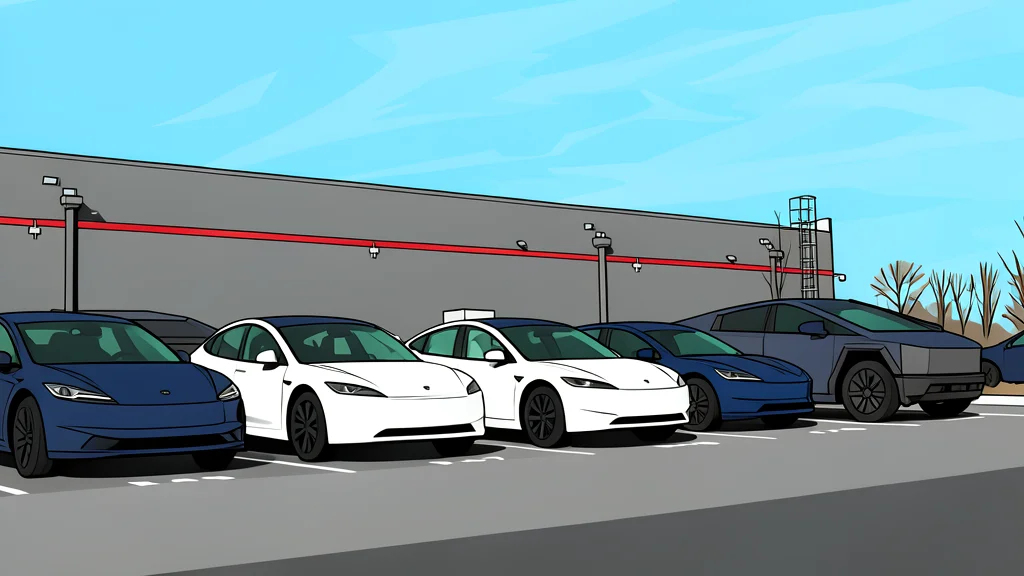
The analysis covers all major Tesla lines, including the Model 3, Model Y, Model S, Model X, and the newer Cybertruck. The Model Y and Model 3 both show junk title rates near 19 percent, while the luxury Model S sits at 18.8 percent. The Cybertruck, being the newest and most expensive model, has the lowest rate at approximately 10 percent. This consistency across different vehicle types suggests a broader pattern rather than an issue with a single product.
Competitors show significantly lower rates
Other electric vehicles from traditional car companies show much lower salvage rates. For example, the Nissan Leaf has a 9.5 percent rate, which is the highest among non-Tesla models in the dataset. Most other competitors, such as the Chevrolet Bolt EV and the Kia EV6, fall between 3 and 6 percent. The Cadillac Lyriq and Chevrolet Equinox EV are even lower, with rates around 1 percent. This gap highlights a distinct divergence in vehicle history outcomes between Tesla and the rest of the industry.
Data limitations affect interpretation
It is important to understand what these numbers do and do not represent. The data comes from auction and sales listings, not from state driver records. This means it captures vehicles that entered the salvage pipeline, but it does not account for every Tesla ever sold. According to GN auto tech/ev, this distinction is crucial because it reflects market activity in the used and damaged vehicle sector rather than a definitive measure of reliability for all owners.