Pennsylvania AI Buildout Faces Scrutiny over Resource Strain
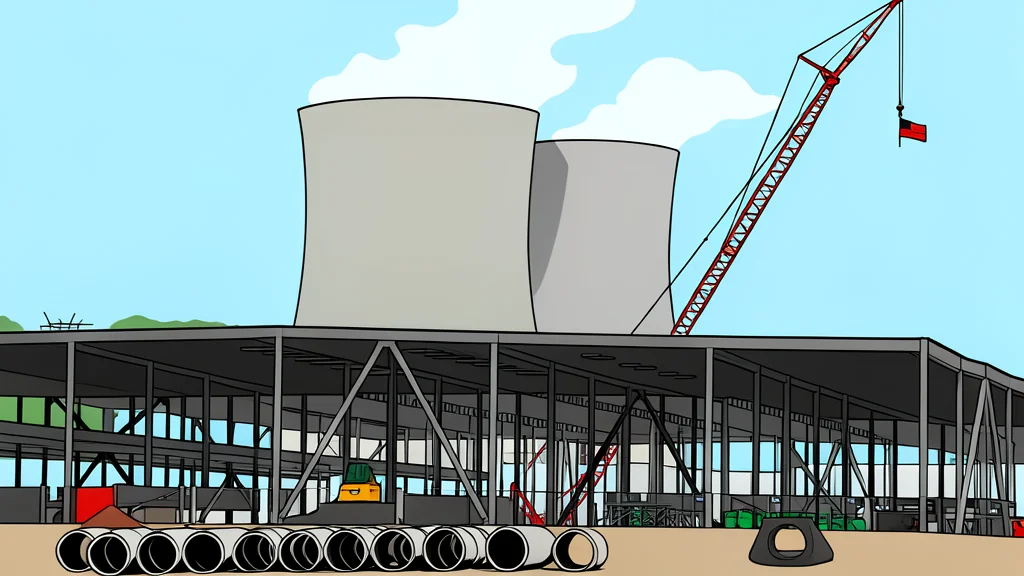
A new report warns that Pennsylvania's data center expansion may repeat historical patterns of industrial exploitation without delivering promised jobs.
Key points
- Data & Society report finds little evidence of job growth from Pennsylvania's planned data centers.
- Up to 66 data centers are proposed in the state, with five currently under construction.
- Community groups in Montour County successfully blocked a data center rezoning application.
Pennsylvania’s rapid expansion of data centers is drawing sharp criticism for potentially mirroring historical patterns of industrial exploitation. A report released Tuesday by Data & Society argues that while the industry promises economic revival, it lacks evidence of significant job growth and instead threatens to strain local resources.
The study suggests that the push for artificial intelligence infrastructure is leveraging industrial nostalgia to mask a broader power grab. This approach echoes earlier waves of development, such as the natural gas boom, where corporate interests often outweighed community concerns about land, water, and energy use.
Resource demands outweigh local benefits
Researchers found that the state’s leftover industrial assets make it particularly attractive to developers. If all current proposals move forward, as many as 66 data centers could be built in Pennsylvania. Five are already under construction, and another five have received approval, signaling a significant shift in the state's infrastructure landscape.
The report highlights that these facilities require massive quantities of land, water, and electricity. Critics argue that this heavy consumption ignores local environmental concerns and contributes to climate change. The study notes that this model relies on extracting value from communities without adequately compensating them for the environmental costs.
Community resistance mirrors past struggles
Public opposition to these projects is intensifying, with some residents comparing the situation to the backlash against fracking or coal pollution. Lead author Maia Woluchem noted that data centers have become a symbol of broader inequality and distrust in corporate power. This sentiment reflects a desire to reclaim control over local resources and decision-making processes.
The intensity of this pushback is evident in recent legal victories. In Montour County, community leaders successfully denied a rezoning application for a data center, protecting local farmland. This outcome demonstrates that public resistance can effectively challenge the narrative that such infrastructure is inevitable or beneficial for all stakeholders.
Political narratives mask economic realities
According to Inside Climate News, the report criticizes industry boosters for using nationalist fervor and union pride to justify their expansion. These rhetorical strategies are designed to distract from the underlying economic dynamics, where wealth accumulates in the hands of a few while communities bear the environmental burden.
The study concludes that the fight over data centers is fundamentally about resisting corporate greed and the destruction of local knowledge. It challenges the assumption that technological advancement automatically leads to shared prosperity, urging a closer look at who benefits and who pays the price.