Silicon Valley AI Expansion Meets Local Environmental Pushback
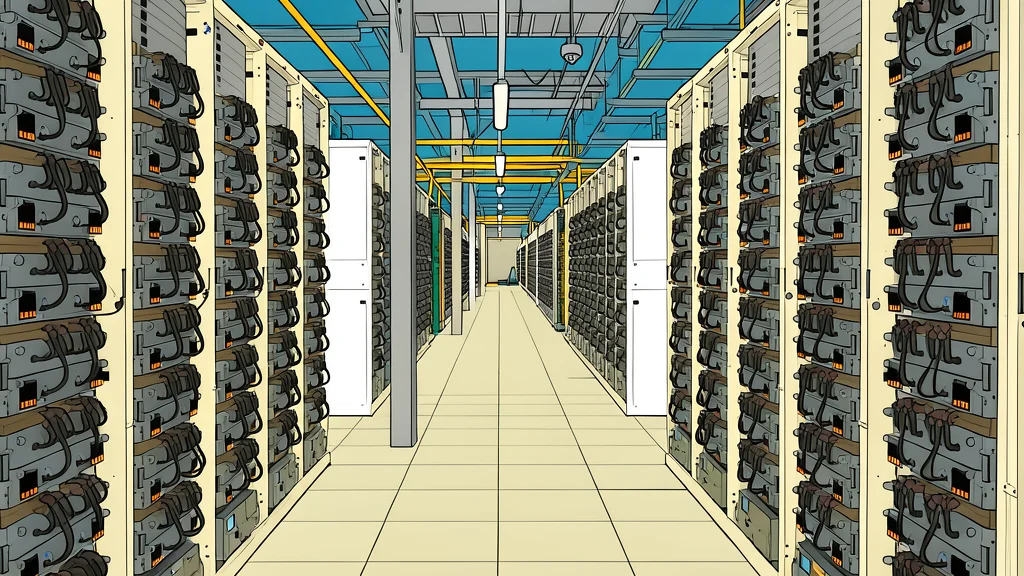
The rapid growth of AI infrastructure in California is sparking a conflict between economic goals and community health, forcing a reevaluation of who pays for the power and water demands of massive data centers.
Silicon Valley’s drive to build artificial intelligence infrastructure is running into a wall of local resistance. Residents and environmental groups in San Jose, a city of nearly one million people, are challenging the expansion of data centers. Their concern is not just about technology, but about the tangible costs: increased electricity bills, higher water consumption, and potential air pollution from backup generators.
City officials have long viewed these facilities as a financial boon, estimating that each new center could generate millions in annual tax revenue. However, community leaders argue that these benefits do not automatically translate into shared prosperity. They are demanding stricter public reviews and transparent reporting on resource usage before any new projects are approved, shifting the narrative from pure economic growth to a balance of civic responsibility.
Economic benefits clash with community costs
San Jose’s strategy has relied on attracting data centers to fund local services like parks, roads, and emergency response. The city even signed an agreement with utility provider PG&E to expedite power delivery to these large energy users. While this approach promises a boost to the municipal budget, it creates a direct trade-off for existing residents. If the grid is strained by new, energy-hungry facilities, the cost may be distributed across the broader customer base, potentially raising electricity bills for households.
Local activists, including the I Love San Jose coalition, are pushing back against what they see as a lack of scrutiny. They argue that the current approval process does not adequately account for the long-term environmental impact. The core of their argument is that the city must prove these projects benefit the community as a whole, not just the tax base. This includes demanding independent studies on health and environmental effects, ensuring that the promise of economic growth does not come at the expense of quality of life.
Power demands and air quality concerns
The most immediate technical challenge is electricity. AI data centers require massive amounts of power to keep their computing systems running. This has led to a debate over how grid costs are allocated. PG&E suggests that adding large customers helps spread fixed grid costs across more users, which could theoretically lower bills. However, critics argue this logic is flawed if the new demand significantly increases the total load on the infrastructure, requiring expensive upgrades that ultimately benefit the data center operators more than the average household.
Air quality is another pressing issue. Many data centers rely on diesel backup generators, which can emit pollutants. A coalition led by the Center for Biological Diversity has petitioned local air quality managers to tighten regulations on these generators. They argue that current rules were written before the recent surge in AI facilities and do not reflect the scale of modern operations. The air district is currently reviewing whether stronger protections are needed, highlighting a gap between existing regulations and the new reality of large-scale computing infrastructure.
State legislation addresses industry gaps
This local friction has escalated to the state level, where California lawmakers have moved to regulate the sector. Several bills have received final approval, focusing on ensuring that large electricity users pay their fair share of grid costs and providing greater transparency on energy and water consumption. These measures aim to prevent data centers from becoming a hidden subsidy for other ratepayers. The state’s approach reflects a broader obligation to manage the environmental footprint of the tech giants headquartered in the region, including Google, Meta, OpenAI, and Anthropic.
The industry, represented by groups like the Data Center Coalition, supports the concept of responsible growth but often resists specific regulatory burdens. The tension remains unresolved, with the industry pushing for flexibility to expand and regulators pushing for accountability. For GN auto tech/cloud: data center expansion, this signals a shift in how infrastructure projects are evaluated. The era of unconditional approval for tech facilities is ending, replaced by a framework that demands proof of net community benefit and environmental stewardship.