Why Electric Cars Need Special Tires for Range and Wear
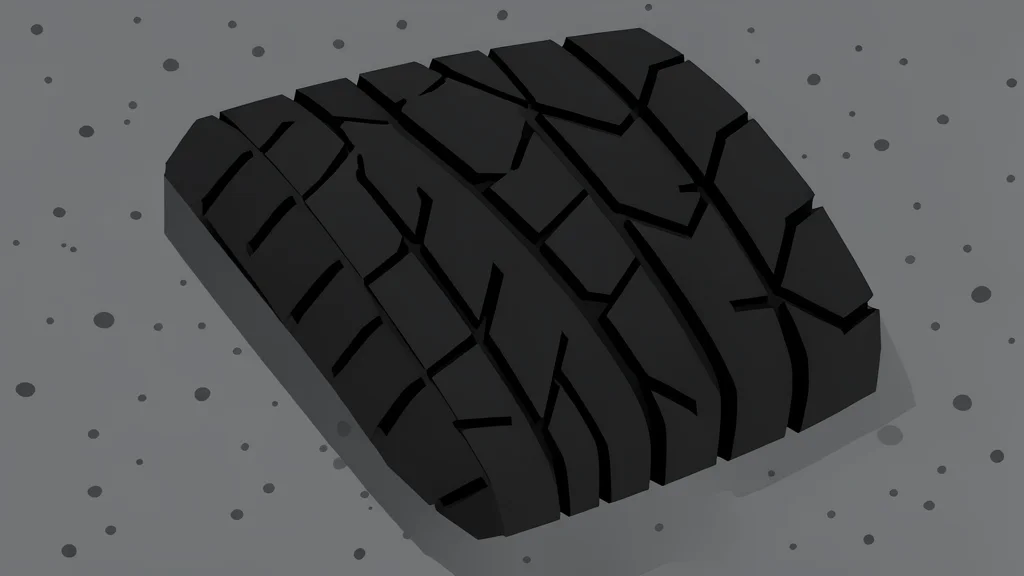
Standard tires often fail under the unique weight and torque of electric vehicles, prompting manufacturers to develop specialized rubber compounds that extend both tire life and battery range.
Electric vehicles present a distinct mechanical challenge that standard automotive tires were not originally designed to handle. Unlike internal combustion engines, which provide torque gradually, electric motors deliver maximum power instantly. This characteristic, combined with the significant weight of battery packs, creates a specific set of demands on the rubber connecting the car to the road.
Hankook has addressed these issues with its iON lineup, a series of tires engineered specifically for electric cars. According to reports from GN auto tech/ev: electric vehicle, these tires are designed to mitigate the rapid wear associated with high-torque vehicles while simultaneously reducing the energy required to keep the car moving, thereby preserving battery life.
Torque and weight accelerate wear
The primary issue with using conventional tires on an electric vehicle is the mismatch between the tire’s durability and the car’s performance. Electric cars are generally heavier than their gas-powered counterparts due to battery mass. Additionally, the immediate availability of high torque means the tires experience significant stress during acceleration and braking. This combination causes standard tires to degrade much faster, forcing owners to replace them more frequently than expected.
Reducing noise and rolling resistance
Beyond durability, the quiet nature of electric powertrains makes tire noise more perceptible to occupants. To address this, Hankook incorporates a foam insert within the tire structure and utilizes specific tread patterns on the inner shoulder. These features dampen sound vibrations that would otherwise be masked by the roar of a gasoline engine. The design also focuses on minimizing rolling resistance, which is the friction between the tire and the pavement.
Lower rolling resistance allows the vehicle to use less energy for propulsion. Hankook estimates that this efficiency gain can increase the driving range of an electric vehicle by approximately six percent on a full charge. For drivers, this translates into fewer stops for charging and a more efficient use of the battery’s stored energy, though the initial cost of specialized tires may be higher than standard options.
Testing performance under stress conditions
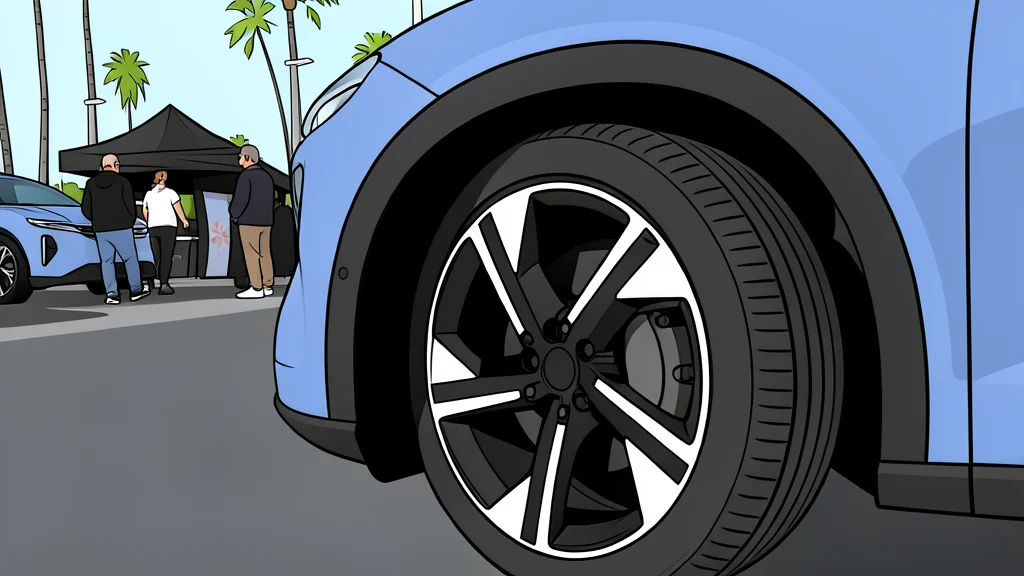
To demonstrate the capabilities of these tires, Hankook showcased the iON line at the Demo Days Festival, a major outdoor test drive event in North America. Journalists and enthusiasts had the opportunity to drive a Lucid Gravity SUV equipped with the iON evo AS all-season tires. The vehicle, which weighs approximately 6,000 pounds and produces nearly 909 pound-feet of instant torque, serves as an extreme stress test for tire grip and stability.
While the technology offers tangible benefits in terms of range and wear, it comes with specific trade-offs. The specialized construction required for noise reduction and low rolling resistance may not be suitable for all driving conditions or vehicle types. Additionally, Hankook offers a trial period through its SureTire Plan, allowing customers to return tires within 100 days if they are unsatisfied, though this is subject to certain conditions and limitations detailed in the warranty catalog.