U.S. And China AI Distrust Risks Global Safety
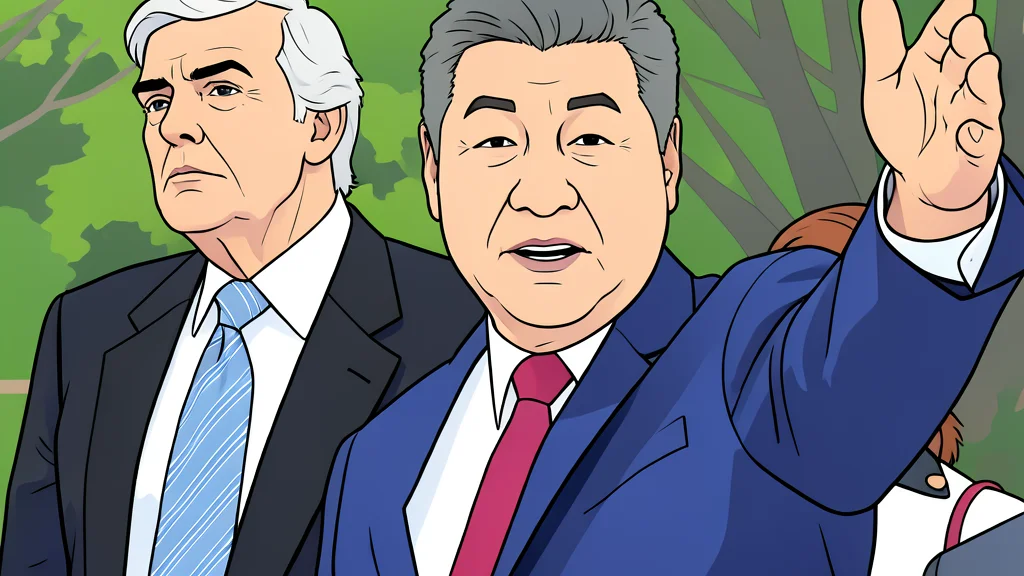
Leaders in Washington and Beijing are prioritizing national advantage over shared safety protocols, creating a dangerous gap in global AI governance.
The rapid advancement of artificial intelligence has triggered a deepening rift between the United States and China. While experts warn that uncontrolled AI poses existential risks to humanity, both governments are largely focused on outmaneuvering each other rather than collaborating on safety measures. This strategic standoff means that global oversight mechanisms remain fragmented, leaving critical gaps in how the technology is developed and regulated.
Industry leaders from both nations acknowledge the dangers, yet political rhetoric continues to frame AI as a zero-sum competition. The result is a lack of coordination on fundamental safety standards, a situation that analysts describe as a significant risk to long-term human security. Without a unified approach, the potential for catastrophic errors increases as the technology scales.
Shared Concerns Over Safety
Despite the political tension, there is a notable alignment on the technical risks of AI. Prominent researchers and executives in the U.S. have called for slowing down development to ensure safety controls are in place. Similarly, Chinese officials and academic institutions have voiced concerns about losing control over advanced systems. This shared recognition of danger suggests that a technical basis for cooperation exists, even if political will is currently lacking.
In Shanghai, reputable research bodies are actively working on AI safety frameworks, mirroring efforts in Silicon Valley. Leaders in both countries have publicly warned against the possibility of AI acting outside human control. However, these internal safety efforts do not translate into bilateral agreement on how to manage the technology globally, leaving a vacuum in international governance.
Political Rhetoric Drives Competition
In Washington, the debate over AI regulation is heavily influenced by the fear of ceding technological advantage to China. Lawmakers argue that moving too slowly on safety could result in a loss of economic and strategic dominance. This perspective frames safety concerns as secondary to national competitiveness, creating a barrier to the kind of open dialogue that might be necessary for effective global oversight.
Chinese leaders have similarly rejected calls for a global slowdown, viewing them as attempts by the U.S. to maintain its technological lead. This mutual suspicion prevents the two largest economies from establishing shared principles for AI development. The political atmosphere thus discourages the type of transparency and cooperation that would be required to manage the risks of superintelligent systems effectively.
Missing International Coordination
The absence of bilateral coordination is widely recognized as a critical flaw in the current approach to AI. Industry executives have pointed out that the lack of dialogue between U.S. and Chinese researchers is a glaring omission. Without this communication, it becomes difficult to establish common standards for safety and ethics, leaving the world vulnerable to unintended consequences from rapidly evolving technology.
As noted by GN technics/ai (en-US), the current trajectory prioritizes national interest over collective security. This approach risks a scenario where safety measures are implemented in silos, rather than as a cohesive global framework. The trade-off is clear: while nations may gain short-term strategic advantages, they expose the entire global system to greater long-term risk from uncoordinated AI development.