UN AI Bodies Face Slow Pace vs Rapid Tech
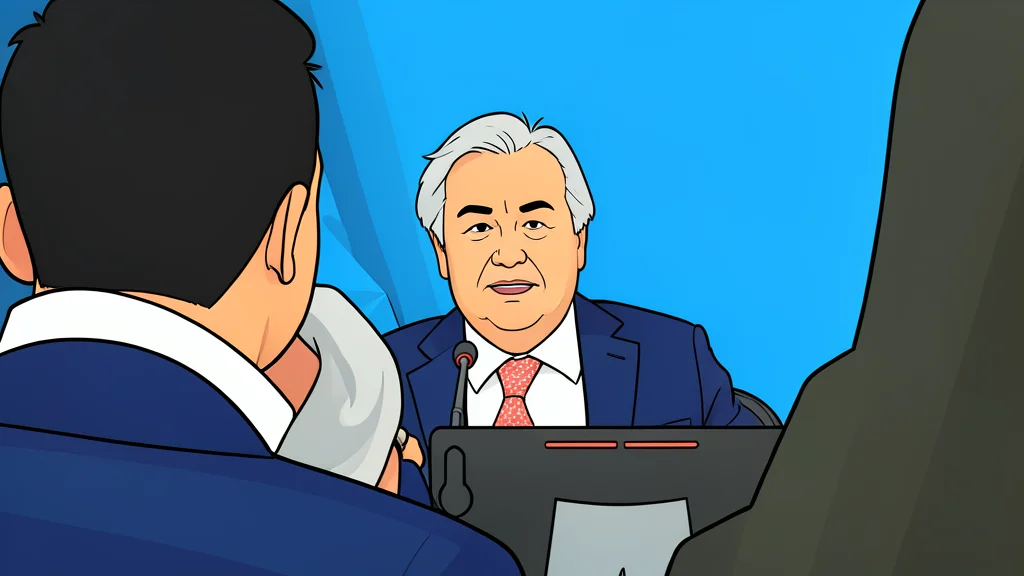
While AI leaders push for faster safety checks, UN governance mechanisms remain limited by slow political processes and future review timelines.
Key points
- AI executives now support slowing development to allow safety oversight to catch up, shifting previous industry positions.
- New UN AI bodies are established but face structural delays, with major reviews on their authority not occurring until 2027 or 2028.
- The UN lacks direct enforcement power, relying on voluntary cooperation from a small group of companies that control the technology.
World leaders are gathering in New York with artificial intelligence dominating the agenda, as the United Nations attempts to assert a role in regulating the technology. The central tension is clear: AI developers are now calling for a deliberate slowdown in development to allow safety measures to catch up, but the international body designed to coordinate such efforts moves at a significantly different pace.
This week marks a pivotal moment for global AI governance, with high-level briefings scheduled for the Security Council. The debate has shifted from mere adoption to control, as major industry figures argue that governments must act collectively to manage risks, a task for which the UN is uniquely positioned, yet structurally challenged.
Industry leaders call for slower development
For much of the last few years, frontier AI companies have urged governments to regulate without hindering progress. That stance appears to be changing. Executives from major AI firms, including Anthropic, OpenAI, and Google DeepMind, have recently supported the idea of pacing the frontier. This means intentionally slowing the release of new capabilities to ensure that safety research and independent oversight can keep up with the technology's rapid evolution.
According to Tech Policy Press, this shift in industry sentiment provides a political opening for the UN to demand more rigorous global standards. However, the trade-off is significant: while companies are willing to slow down, they retain the primary leverage. The ability to pause development rests with a small number of private entities, leaving the UN to rely on voluntary cooperation rather than direct enforcement power.
New UN bodies face structural delays
The UN has established new frameworks to address this gap, including the Independent International Scientific Panel on AI and the Global Dialogue on AI Governance. These bodies aim to create a shared evidence base and build consensus among the 193 member states. The first dialogue in Geneva attracted thousands of participants, signaling strong interest in international cooperation.
Despite this momentum, the institutional machinery is slow. Experts note that the new structures are currently in a foundational phase, with significant reviews of their effectiveness and authority not scheduled until next year or 2028. This creates a dangerous window where AI capabilities continue to advance, but the global regulatory framework remains largely advisory and lacks the "teeth" necessary to enforce norms or principles.
Political will outpaces enforcement power
Analysts suggest that while the UN may not be able to materially change the trajectory of AI development in the short run, it can still play a crucial coordinating role. Member states retain the ability to introduce resolutions at any time, as seen with recent actions by the US and China. The challenge for the UN is to translate this political impetus into concrete rules before the technology outpaces the diplomatic process.
The core issue is whether the UN can provide what only it can offer: a neutral, global platform for agreement. If it fails to do so quickly, the risk is that the AI race continues to be run by a few leading companies and their host nations, leaving the rest of the world as passive observers rather than active participants in shaping the technology's future.