Europe's Push to Reduce Reliance on Foreign Cloud Infrastructure
Brussels is moving to build its own digital backbone, aiming to secure control over critical data and AI services currently dominated by US and Chinese providers.
For years, Europe has played a dual role in the digital economy: a strict regulator of global tech giants and a heavy consumer of their products. This contradiction is now being addressed as policymakers recognize that writing rules without owning the underlying technology creates a strategic vulnerability. The goal is not to isolate Europe from global markets, but to ensure it has the capacity to make independent choices in critical sectors like healthcare, energy, and defense.
The urgency stems from the fact that technology has become a matter of power, not just commerce. Cloud services, semiconductors, and AI models are now considered strategic infrastructure. Those who control these systems can influence the operations of those who depend on them. Consequently, Brussels is treating technological dependence as a national security issue rather than a mere business opportunity.
The scale of current dependency is stark
Recent analyses highlight just how deep the reliance on foreign infrastructure runs. According to an Oliver Wyman study, 92% of Western data is stored on U.S.-owned systems. Furthermore, EU institutions note that the bloc relies on non-EU countries for over 80% of its digital products and services. In the cloud-computing sector specifically, three major American providers control roughly 70% of the European market. This concentration means that a significant portion of the data supporting the Western economy resides outside of European control.
New legislative proposals aim to change the model
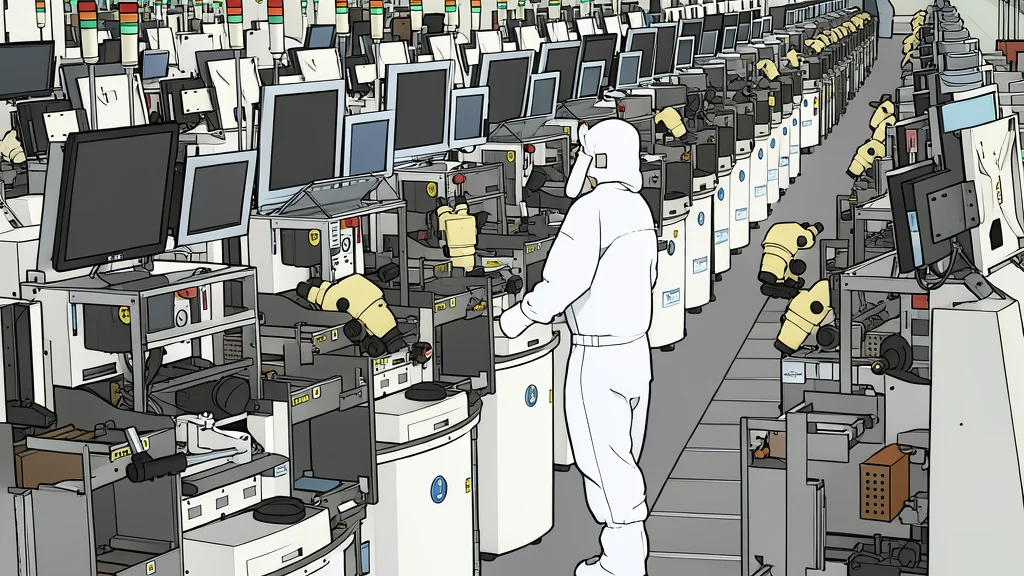
In response, the European Commission unveiled the European Technology Sovereignty Package in June 2026. This initiative includes two key legislative proposals: the Chips Act 2.0 and the Cloud and AI Development Act, or CADA. These measures are designed to boost homegrown capabilities in semiconductors and cloud computing. While they are currently only proposals and must still navigate the EU’s complex policymaking process, they signal a clear shift toward building internal alternatives.
Commission President Ursula von der Leyen emphasized that this is about protecting citizens and ensuring that critical services like hospital systems and energy grids remain secure. The strategy is to create enough local competition to allow Europe to negotiate better terms or, if necessary, switch providers without facing a total service blackout. It is a move to replace dependency with choice.
The trade-off between cost and control
Building this infrastructure is expensive and time-consuming. European providers currently struggle to match the scale and pricing of their American rivals. The catch is that sovereignty comes at a premium. Businesses and public bodies may face higher costs for cloud and AI services if they opt for local alternatives. However, policymakers argue that the risk of losing control over critical data justifies the financial burden. The trade-off is clear: pay more now for autonomy, or risk total reliance on foreign providers in the future.
The success of this strategy will depend on whether European companies can scale up quickly enough to offer competitive services. If they cannot, the gap in capability will remain, and the theoretical choice offered by the new laws may be limited in practice. For now, the focus is on laying the groundwork for a digital order where Europe has a say in its own technological destiny.