Google Cloud Builds New Engineering Hub in Singapore
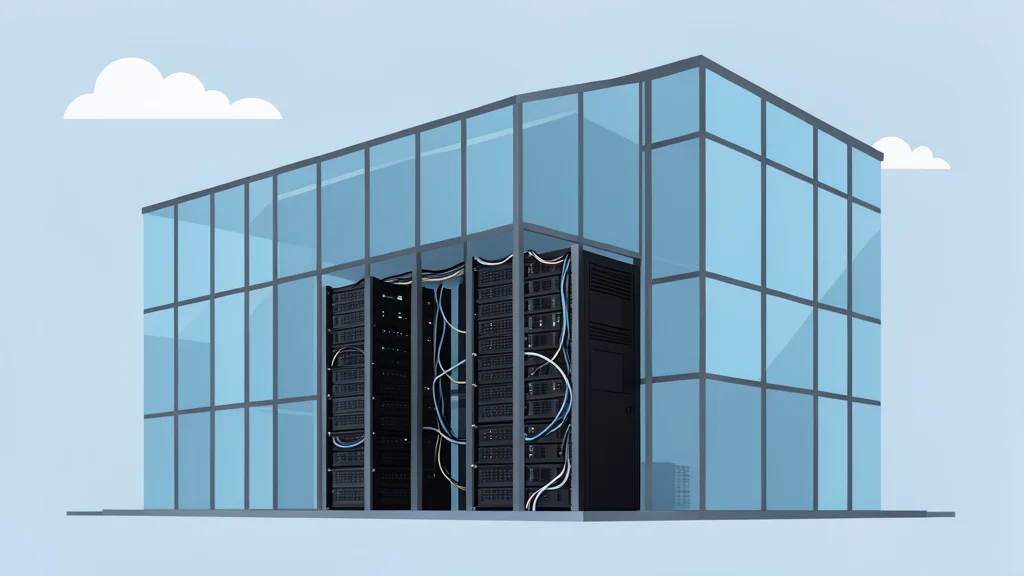
A new center in Singapore places engineers directly inside client companies to build AI tools, aiming to speed up product development across Asia.
Google Cloud has opened a new engineering center in Singapore, marking a shift in how the company develops its software. Instead of building products in isolation and then releasing them, engineers will now work side-by-side with major businesses to create cloud and AI systems. This approach is designed to ensure that the technology meets real-world commercial needs before it is launched to the wider market.
The facility serves as the primary product development hub for Southeast Asia. It brings together specialists in infrastructure, data, and machine learning under one roof. By locating this center next to a Google DeepMind research lab, the company aims to bridge the gap between experimental AI research and practical, usable software for enterprises.
Direct collaboration with enterprise clients
The core function of the center is to embed Google’s engineers within the technical teams of its customers. This means that developers are not just writing code in a distant office, but are actively participating in the design process with companies. The goal is to rigorously test and refine products against specific commercial requirements, reducing the risk of failure when the software goes live.
The technical focus includes building secure data architectures and cloud infrastructure that can handle low-latency, mission-critical operations. A significant part of the work involves integrating AI agents into these systems. The teams are also developing secure interfaces and tools that allow AI agents to coordinate across different cloud environments, a complex task that requires close coordination with the client’s existing technology stack.
Research and engineering work together
A key strategic decision was to place the engineering center in the same building as the region’s first Google DeepMind research lab. This physical proximity is intended to accelerate the flow of ideas. Researchers can quickly share new findings with engineers, who can then test how these capabilities fit into real-world products. This setup is meant to speed up the translation of theoretical AI advancements into stable enterprise software.
The arrangement also supports open-source development. Engineers based in Singapore are expected to contribute code back to the wider software ecosystem. This dual focus on proprietary product development and community contribution aims to strengthen the local tech talent pool while ensuring the company’s tools remain competitive.
Early projects with regional leaders
Google Cloud has already begun working with major regional firms like Grab and DBS. These early collaborations serve as test cases for the new operating model. For example, engineers helped Grab stress-test multilingual AI models under heavy load, while working with DBS to implement AI agents in financial workflows. The lessons learned from these specific projects will be integrated into the broader Google Cloud product suite.
The project has received support from Singapore’s Economic Development Board, which sees the center as a way to bring high-level engineering roles to the local workforce. While the initiative promises new job opportunities and deeper local expertise, it also raises questions about data sovereignty and the concentration of critical AI infrastructure in a single geographic location. The success of this model will depend on how effectively Google can balance its global product goals with the specific, often conflicting, needs of its local partners.