India Seeks to Cool Data Center Water Fears with New Tech Mandates
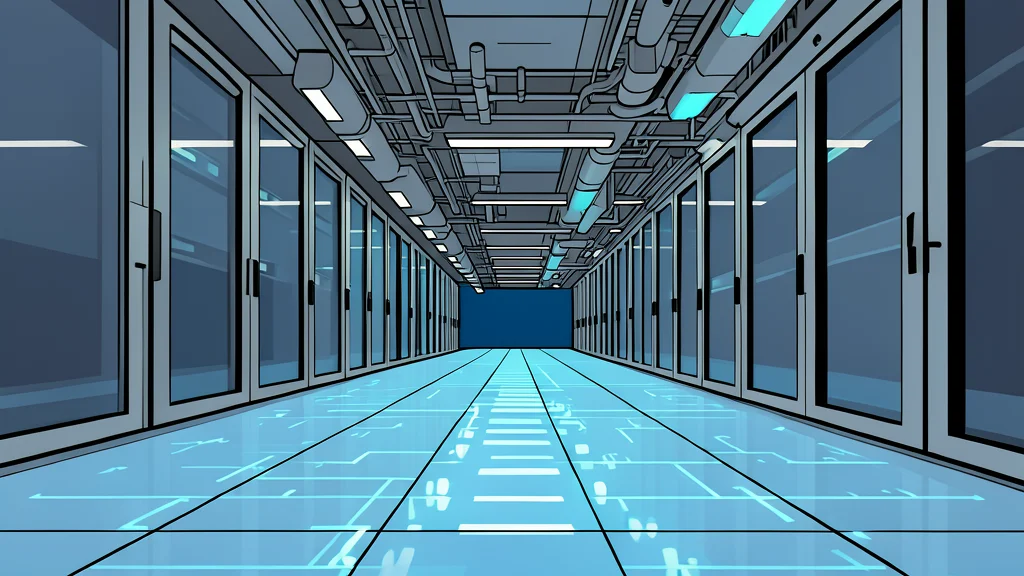
New cooling standards aim to decouple digital growth from local freshwater consumption, shifting reliance to industrial waste and desalinated sources.
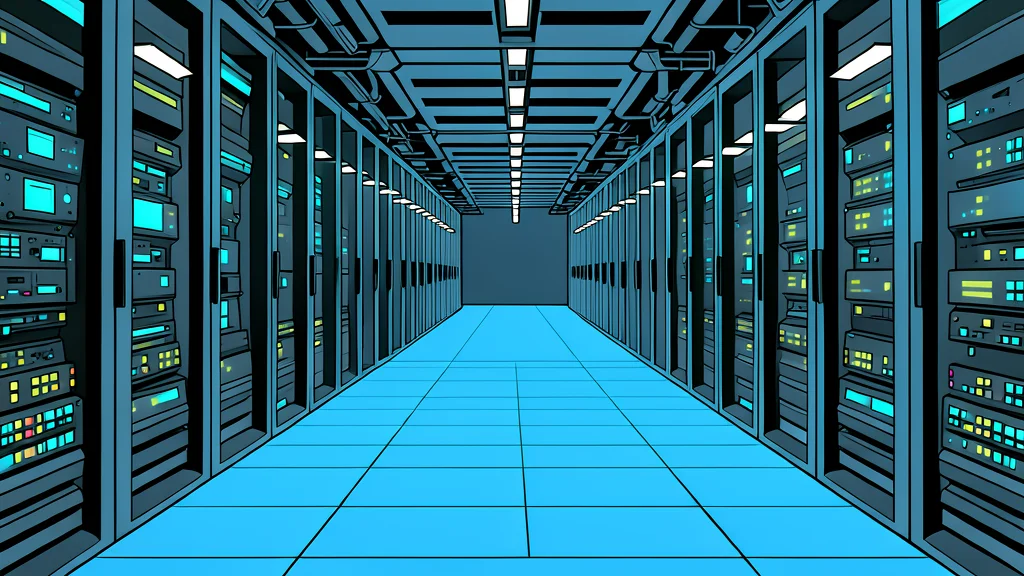
New Delhi is moving to neutralize a key environmental objection to its rapid digital expansion. Officials assert that modern data centers will draw negligible amounts of local freshwater, a claim intended to counter widespread fears that the sector’s growth will strain regional water supplies. The administration is framing this as a necessary correction to outdated perceptions of how these facilities operate.
The government argues that previous concerns were based on legacy evaporative cooling methods that are no longer the standard. Instead, new facilities are being required to utilize closed-loop systems and direct-to-chip liquid cooling. These technologies recirculate water internally, drastically reducing the daily operational demand on municipal sources. This shift is central to the country’s strategy for sustainable infrastructure development.
Shifting to non-potable water sources
In major hubs like Visakhapatnam, hyperscalers such as Google and Microsoft are planning to rely on alternative supplies rather than tap water. These facilities will primarily use industrial wastewater, treated sewage effluent, or water from dedicated desalination plants. The total industrial demand for these sites is expected to be met through existing allocations from the Godavari and Polavaram diversions, bypassing the need for residential water usage.
This approach decouples the expansion of digital infrastructure from the pressure on local drinking water reserves. By mandating the use of recycled or desalinated sources, the government aims to demonstrate that economic growth in the tech sector does not come at the expense of basic water security for residents.
Financial incentives drive sector expansion
These environmental safeguards are paired with significant financial incentives. The Union Budget for 2025-26 introduced a tax break valid until 2047 for companies investing in data center infrastructure. This policy is designed to position India as a competitive destination for global tech firms. The sector has already added 387 megawatts of capacity in 2025, with an investment pipeline estimated at $90 billion.
Major cities including Mumbai, Hyderabad, and Bengaluru account for nearly 65 percent of the country's total capacity. The government views the combination of water efficiency mandates and long-term tax benefits as crucial for maintaining momentum. This strategy seeks to attract billions in investment while addressing the sustainability concerns that have historically slowed similar projects elsewhere.
Balancing growth with resource limits
While the government presents these measures as a solution, the trade-off remains the reliance on industrial waste streams. The success of this model depends on the consistent availability of treated sewage and desalinated water in the targeted regions. Critics argue that without strict enforcement, the shift to non-potable sources could remain theoretical rather than practical.
The initiative reflects a broader effort to align India’s digital ambitions with environmental realities. By redefining how water is sourced and used, the government hopes to remove one of the last major hurdles for large-scale data center construction. The outcome will determine whether India can sustain its current growth trajectory without exacerbating local resource scarcity.