Nigeria’s Data Boom Strains Power Grid and Real Estate

Record mobile data usage in Nigeria is forcing a physical upgrade of the country’s digital backbone. The surge in consumption is creating a critical dependency on reliable electricity and specialized commercial real estate, exposing a gap between digital demand and physical infrastructure capacity.
Nigeria’s mobile data consumption hit a record 1.66 million terabytes in July 2026, signaling a rapid acceleration in digital activity. This growth is no longer just about telecoms; it is driving a heavy demand for physical assets like data centers, fiber networks, and stable power supplies. As businesses lean more heavily on cloud computing and digital payments, the pressure on the country’s infrastructure is becoming a primary economic concern.
The expansion of digital services requires more than just software. It demands land, buildings, cooling systems, and high-capacity connectivity. This shift is linking the tech sector closely to traditional industries such as construction, power generation, and commercial real estate, creating a new layer of complexity for investors and policymakers alike.
Data Centers Reshape Commercial Property
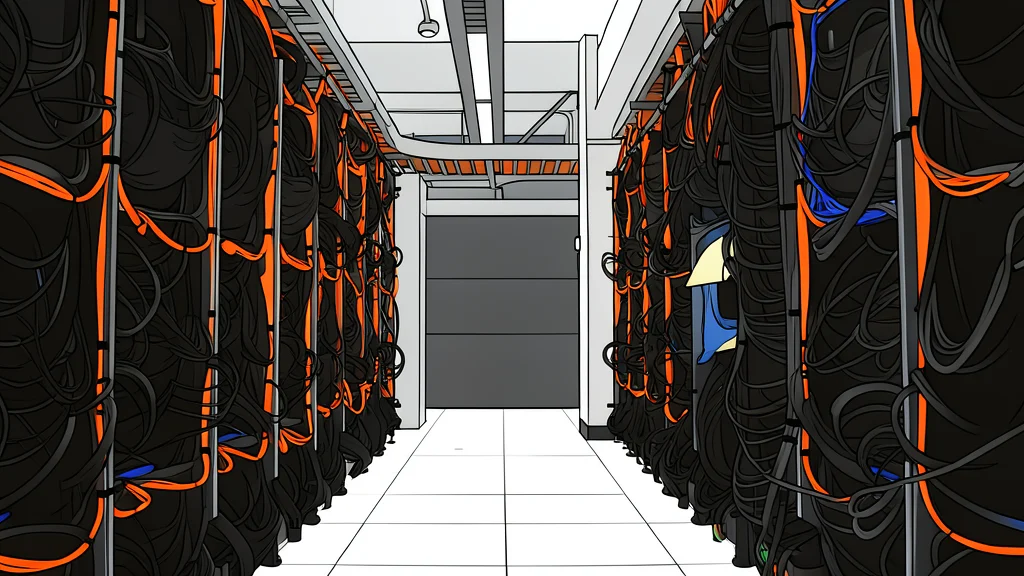
Data centers are emerging as a distinct segment within the commercial property market, differing significantly from standard office or retail spaces. These facilities require robust power handling, advanced cooling infrastructure, and direct fiber connections. Location is a critical factor, as proximity to business districts and reliable infrastructure networks directly impacts the commercial viability of these sites.
Lagos remains the epicenter of this growth, with approximately 146 megawatts of additional capacity currently in the pipeline. The state aims to exceed 250 megawatts by 2030. Major players, including Equinix and Kasi Cloud Datacenters, are expanding their presence, indicating a strong investor interest in specialized infrastructure real estate. However, this development requires a level of technical precision that traditional developers may not possess.
Power Reliability Is The Main Bottleneck
The economics of digital infrastructure are inextricably linked to the availability and cost of electricity. Data centers operate continuously and cannot tolerate power outages, making reliable supply a non-negotiable requirement. Without stable power, the operating costs for these facilities skyrocket, and the efficiency of new investments is severely limited.
This challenge extends beyond data centers to the broader telecom sector. Fiber networks and other digital assets depend on consistent power to maintain service availability. If power reliability is not addressed, the surge in data consumption could lead to higher costs for businesses and consumers, ultimately stifling the growth of Nigeria’s digital economy.
Investment Risks In Digital Expansion
While the potential for growth is significant, the trade-offs are substantial. Investors in data center real estate face the risk of high operational costs due to energy inefficiencies. Furthermore, the specialized nature of these assets means that if demand shifts or technology evolves, the physical infrastructure may become obsolete or underutilized.
According to GN auto tech/cloud: cloud infrastructure, the sector is moving toward a model where physical reliability is as important as digital speed. For Nigeria, this means that the success of its digital transformation depends not just on internet access, but on the underlying physical grid and property market being robust enough to support it.