Google TV Streamer Price Hike Faces Stiff Competition
A recent price increase puts the Google TV Streamer in direct conflict with older, more robust rivals. The added cost demands better performance than what the device currently offers.
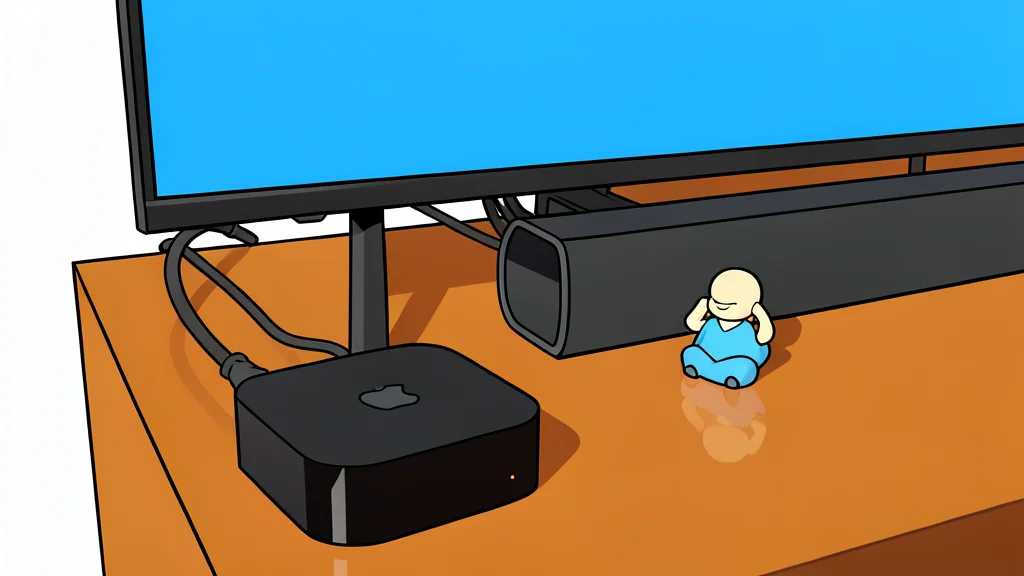
Google has quietly raised the price of its 2024 TV Streamer by fifty dollars, moving it into the same tier as established competitors like the Nvidia Shield TV Pro and Apple TV 4K. For a device that has been on the market for two years, such a jump is significant. According to reports, the increase is driven by rising component costs and inflation, but consumers are now expected to pay a premium for hardware that has faced persistent criticism for its stability.
The timing of this price adjustment is difficult to justify given the device's current track record. Since its launch, the streamer has been plagued by bugs that include freezing home screens, slow app loading, and intermittent Bluetooth failures. Despite several firmware updates, many of these issues remain unresolved. At the new price point, the box must perform significantly better to compete with rivals that offer more mature and reliable experiences.
Older hardware offers superior reliability
The Nvidia Shield TV Pro, released in 2019, continues to outperform the newer Google device in key areas. It features a Tegra X1+ processor that handles demanding local media playback more effectively than the Streamer's chipset. The Shield also includes practical features like a built-in local server and multiple USB ports, which are absent from the Google box. For users who value stability and versatility, the older Nvidia hardware remains a stronger choice despite its age.
Nvidia has consistently supported the Shield with over seventeen firmware updates, adding features like AI upscaling and improved cloud gaming support. This ongoing maintenance reflects a deeper engagement with the user community compared to Google’s approach. While the Google TV Streamer has some modern specifications, such as higher RAM and newer video standards, these paper advantages do not compensate for the day-to-day frustrations reported by owners.
Performance gaps persist despite updates
Technical analysis suggests that the Streamer’s processing platform struggles with heavy workloads, particularly when handling high-end local streaming. The MediaTek chipset is adequate for standard video but lacks the headroom needed for complex tasks. In contrast, the Shield’s architecture provides more processing power for these scenarios, resulting in a smoother experience for users who demand high quality. The Google device’s tendency to freeze and require manual reboots remains a significant drawback.
Even budget alternatives are beginning to challenge the Streamer’s value proposition. A newer, cheaper streaming box offers a more responsive interface and a faster processor, undercutting the Google device on both price and performance. This competitive pressure makes the recent price increase even harder to defend. Consumers are left with a product that costs more but delivers less in terms of reliability and feature depth.
Consumers face difficult value trade-offs
The decision to purchase the Google TV Streamer now comes with a clear catch. While it offers modern connectivity and storage capacity, the cost increase demands a level of performance that the hardware has not consistently demonstrated. Buyers who prioritize a bug-free experience and robust media handling may find that the older, more established options provide better value. The market now offers several viable alternatives that outperform the Streamer in critical areas, making its new price point a hard sell for many users.
As reported by XDA Developers, the landscape for media streaming devices is shifting. The expectation is that a price hike should bring tangible improvements, but in this case, it merely places the device in a more competitive bracket without resolving its core issues. For many, the safer bet remains with hardware that has a proven track record of reliability and continuous support, regardless of its release date.