Polyarc Closes After Final Co-Op Update
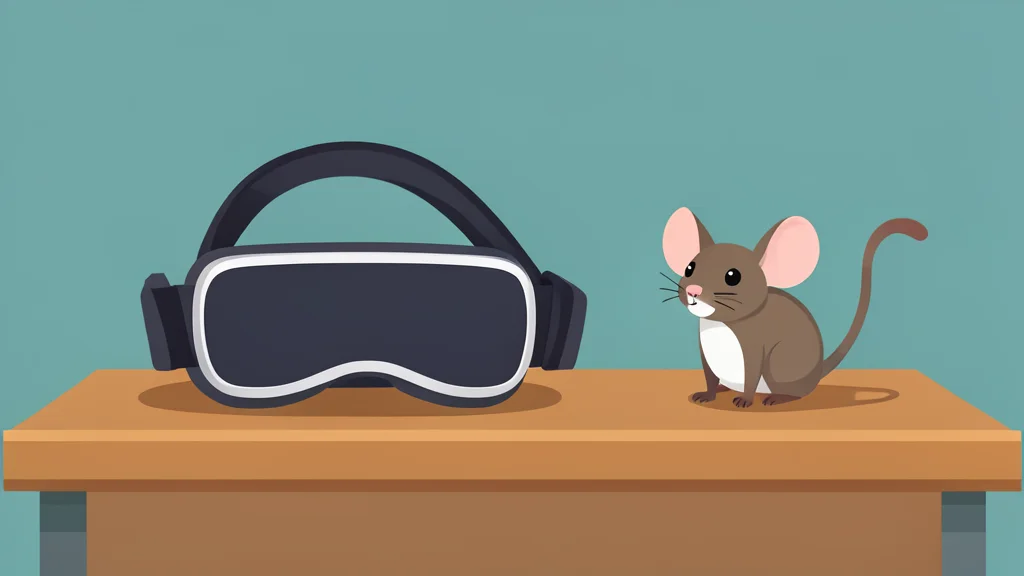
The studio behind Moss ended development on September 11, just eight days after releasing a free multiplayer update. This rapid shutdown highlights the precarious financial reality facing niche VR developers, even those with critically acclaimed titles and active fanbases.
Polyarc, the developer known for the Moss series, has officially ceased active development after nearly twelve years in the industry. The studio’s closure was announced on September 11, marking a sudden end to a company that had just shipped significant new content days earlier. This timeline underscores the fragility of the virtual reality sector, where even successful teams can face insolvency without sustained commercial traction.
The final chapter of Polyarc’s story is defined by a brief but intense period of activity in early September. On September 3, the team released the free "Play Together" update for Moss: The Forgotten Relic. This patch introduced local couch co-op, allowing a second player to control the Reader character while the first played as Quill. The move was praised for its design, effectively turning a solo VR experience into a shared console-style adventure.
Rapid Collapse Despite Recent Success
The swift transition from shipping new features to closing shop is stark. Just six days after the co-op update, Polyarc promoted a 20 percent discount on its flagship title. By September 11, the studio was posting farewell messages on LinkedIn, thanking employees and directing them to job boards. This sequence suggests that the recent releases were not signs of a stable future, but rather final efforts to maximize engagement before the inevitable shutdown.
Critics and players note that the studio’s core library remains highly regarded. Moss and its sequel hold "Overwhelmingly Positive" ratings on Steam, with thousands of favorable reviews. However, acclaim did not translate into sufficient revenue to sustain operations. The shift to non-VR platforms, including a version of The Forgotten Relic for standard controllers, was an attempt to broaden the audience, but the financial model proved unsustainable for the small team.
Financial Limits of Niche Markets
Moss: The Forgotten Relic achieved 200,000 wishlists before its July launch, a significant milestone for a small indie title. Despite this interest, the actual sales volume and revenue generated were insufficient to cover development costs. The studio pushed hotfixes and participated in promotional events through August, indicating a team that remained engaged until the very end. Yet, the underlying economic pressure of maintaining a VR-focused pipeline in a market with limited hardware adoption proved too great.
The case of Polyarc serves as a cautionary tale for the industry. It illustrates that critical success and community loyalty do not guarantee financial viability. As reported by GN technics/gaming (en-US), the studio’s final days were marked by professional dedication, but the broader market dynamics left little room for error. The closure leaves a gap in the VR landscape, where few studios remain dedicated to high-quality, narrative-driven virtual reality experiences.
Legacy of the Moss Series
Polyarc’s departure does not erase its impact on the medium. The Moss games are often cited as benchmarks for VR storytelling, leveraging the headset’s immersion to create a unique bond between the player and the small mouse protagonist. The recent co-op update further demonstrated the potential for shared VR experiences, even as a bridge to more traditional gaming formats. While the studio is gone, the titles remain available, preserving a specific type of interactive storytelling that few others have attempted with such consistency.