Resident Evil Film Takes a Surprising Original Turn
Zach Cregger’s new movie ditches direct adaptation for a fresh survival story, sparking debate among fans.
Zach Cregger’s new “Resident Evil” film has ignited a heated debate within the gaming community. By choosing to tell an original story rather than adapting a specific video game plot, the director has faced significant backlash from purists who expected a faithful translation of the classics. However, for many viewers, this decision marks a refreshing departure from the typically poor quality of video game adaptations. The movie offers a unique perspective that challenges the notion that only direct ports can succeed in bringing these franchises to the screen.
The core of the conflict lies in the expectation of fidelity. Longtime fans of the series often view any deviation from the established narrative as a failure. Yet, Cregger’s approach highlights a trade-off: sacrificing iconic characters for a more grounded, human experience. This strategy allows the film to capture the essence of survival horror without being constrained by the lore. It suggests that the spirit of the franchise can be preserved even when the specific plot points are discarded, offering a new way to engage with the material.
Original narrative captures horror essence
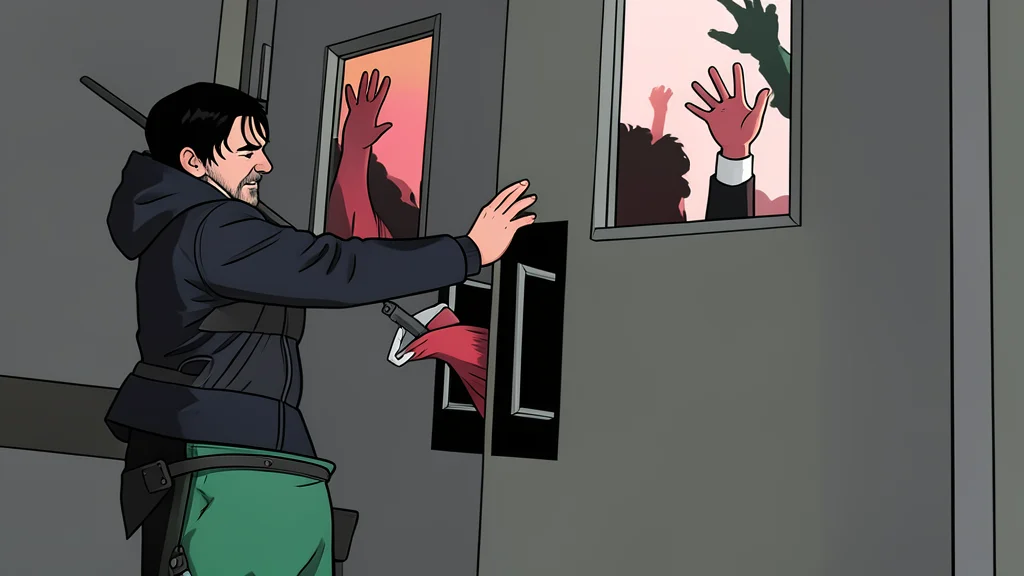
Set during a heavy snowstorm in the modern day, the film follows Bryan, a medical courier played by Austin Abrams. His mission to deliver a package to Raccoon City quickly descends into chaos, mirroring the resource management and tension found in the games. This setup places the audience directly in the shoes of a protagonist navigating a dire situation. The focus on upgrading weapons, finding ammo, and moving between locations creates a visceral experience that resonates with players who understand the mechanics of survival.
This approach avoids the common pitfall of trying to fit a complex, character-driven game narrative into a standard two-hour film runtime. Instead, it delivers a tight, 90-minute experience that prioritizes atmosphere and immediate threat. By removing the weight of established backstories, the movie allows the horror elements to stand out more prominently. The result is a film that feels authentic to the genre, even if it lacks the recognizable faces of the video game series.
Fan backlash highlights adaptation risks
The controversy surrounding the film underscores the challenges of adapting beloved intellectual properties. As noted by GN auto tech/entertainment coverage, the reaction from fans reveals a deep-seated desire for specific narrative elements. Critics argue that the absence of iconic characters like Leon or Claire diminishes the appeal. However, supporters point out that any adaptation will inevitably disappoint some segment of the audience, making a perfect translation nearly impossible.
Cregger’s choice to tell an original story can be seen as a pragmatic response to these inherent risks. By creating a new protagonist, the director sidesteps the scrutiny that comes with casting famous roles. This allows the film to focus on its strengths: pacing, tension, and emotional impact. The trade-off is clear: while some fans may feel alienated by the lack of familiar characters, others appreciate the freedom to explore new themes within the universe.
New perspective redefines franchise engagement
The film’s success in capturing the core of the franchise suggests that original ideas can thrive in established worlds. For viewers who have played the games, this new perspective offers a chance to see the series through a different lens. It highlights the smaller, human stories that often exist in the background of larger narratives. This shift in focus can change how audiences perceive the source material, encouraging them to look beyond the main plotlines.
Ultimately, the movie serves as a testament to the versatility of the “Resident Evil” brand. It proves that the franchise can evolve without losing its identity. While the debate will likely continue, the film stands as a strong example of what can be achieved when creators are given the freedom to innovate. It challenges the status quo and invites fans to reconsider their expectations for future adaptations.