Resident Evil Film Captures the Chaos of Gaming
The 2026 film adaptation of the classic survival horror series succeeds by translating the awkward, high-stress mechanics of video games into a coherent cinematic narrative, avoiding the common pitfalls of previous live-action attempts.
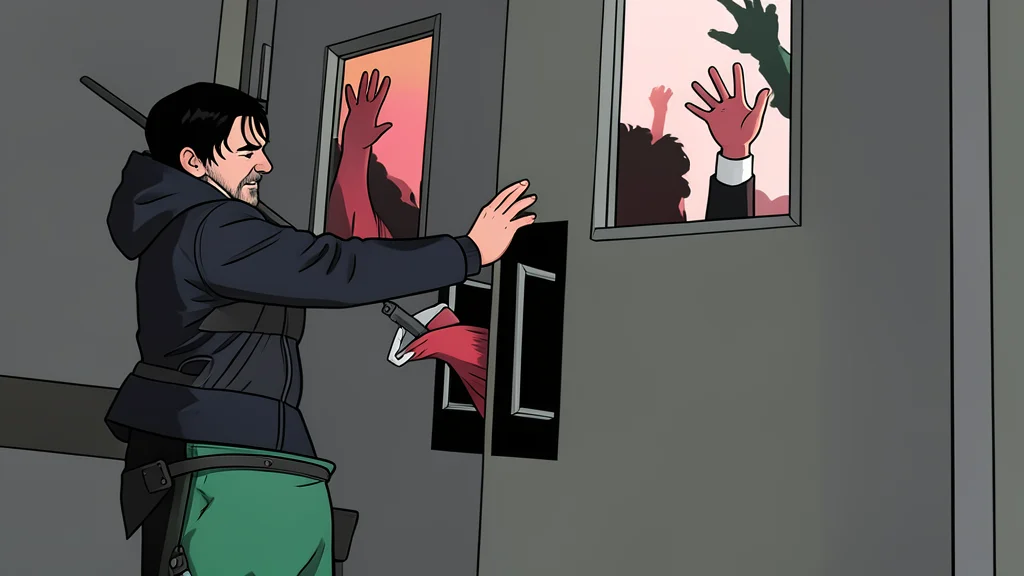
In the 2026 film "Resident Evil," protagonist Bryan is trapped in a frantic chase around a police car, running in circles while a zombie pursues him. This moment perfectly encapsulates the core experience of the video game franchise: a mix of intense survival pressure and clumsy, panic-driven decision-making. The scene mirrors the feeling of frantically tapping a controller during a high-stakes moment, capturing the unique blend of tension and silliness that defines the genre.
Director Zach Cregger and co-writer Shay Hatten have crafted a narrative that feels native to gaming culture rather than a forced translation. By focusing on the sensory and emotional logic of playing a survival horror game, the film avoids the stiff adherence to plot points that has plagued many previous adaptations. It presents a story that is both a horror thriller and a meta-commentary on the medium itself, offering a fresh perspective on a beloved property.
Translating Game Mechanics to Screen
The film excels at converting abstract game concepts into physical comedy and horror. The opening sequence, where Bryan accidentally hits a woman with his car and later flees from her zombified form, serves as a metaphor for the unpredictable nature of game engines. The narrative structure mimics the improvisational feel of gameplay, where characters must constantly adapt to unexpected threats. This approach allows the humor to arise naturally from the situation, reflecting the chaotic energy of a player navigating a difficult level.
According to GN auto tech/entertainment, the adaptation succeeds because it respects the source material’s spirit rather than just its plot. The film highlights the specific frustrations of gaming, such as the difficulty of interacting with objects or the awkwardness of cutscenes. By acknowledging these quirks, the movie creates a relatable experience for gamers while remaining accessible to those unfamiliar with the series. The balance between grotesque horror and sharp comedy keeps the tone engaging throughout.
Character Depth in a Horror Setting
Bryan is portrayed as a flawed but sympathetic character, driven by fear and financial pressure rather than pure heroism. His reluctance to discuss his girlfriend’s pregnancy adds a layer of human vulnerability to the supernatural threats he faces. This emotional grounding prevents the film from becoming a mere collection of jump scares. Instead, it creates a stakes-driven narrative where personal failure and external danger are inextricably linked.
The supporting cast, including a scene-stealing performance by Paul Walter Hauser, adds texture to the world. The interactions between characters feel organic, avoiding the robotic dialogue often associated with video game scripts. This human element makes the horror more effective, as the audience remains invested in the survival of individuals rather than just the completion of a mission. The film’s success lies in its ability to make the viewer care about the characters’ fates amidst the chaos.
A Balanced Approach to Horror
While the film leans heavily into comedy, it does not sacrifice the genuine threat of the zombie apocalypse. The horror elements are handled with a respect for the genre’s traditions, ensuring that the scares land effectively. The visual style is gritty and grounded, providing a stark contrast to the more fantastical elements of the original games. This balance allows the film to appeal to a wide audience, including those who prefer traditional horror over satirical takes.
The trade-off for this approach is a departure from the lore-heavy storytelling of the game series. Fans of the complex backstory of the Resident Evil universe may find the simplified narrative lacking in depth. However, for a general audience, this streamlined approach makes the film more accessible and enjoyable. The result is a movie that stands on its own merits as a horror-comedy, while still honoring the spirit of the original video games.