California Mandates Electric Truck Price Transparency by January
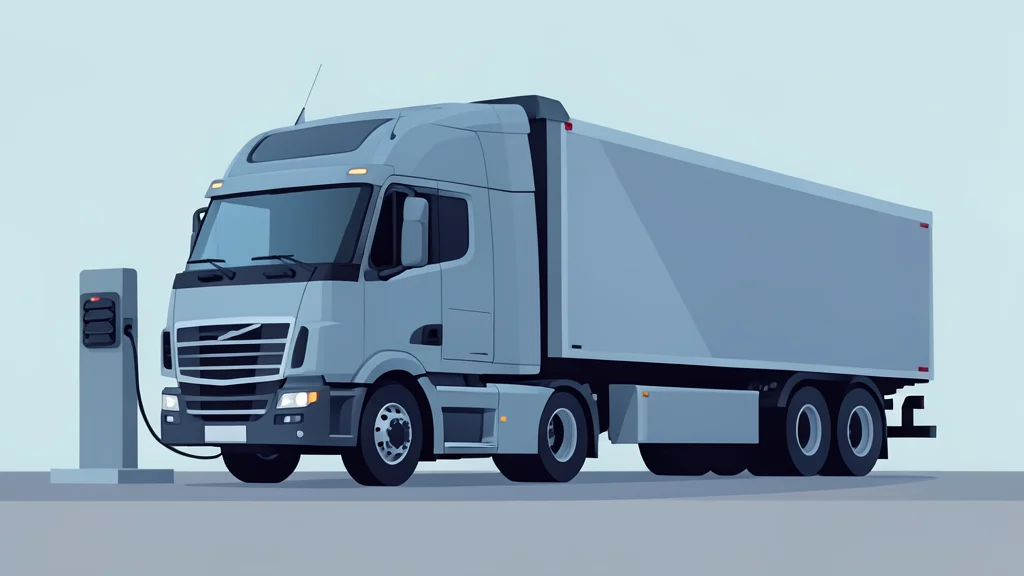
New state law requires manufacturers to disclose suggested retail prices for electric heavy-duty trucks to access public incentives.
Key points
- California requires manufacturers to disclose suggested retail prices for electric trucks by January 1 to access state incentives.
- The California Air Resources Board will publish this pricing data every six months to monitor market behavior.
- Manufacturers face suspension of incentive eligibility and potential fund recovery if they provide false or anticompetitive pricing data.
California has enacted a new law requiring truck manufacturers to disclose their suggested retail prices for electric medium- and heavy-duty vehicles. The measure, signed by Governor Gavin Newsom on September 20, mandates that original equipment manufacturers provide this pricing data to the state by January 1. This requirement is a direct condition for accessing state-funded incentives, effectively tying public financial support to market transparency.
The legislation, known as Senate Bill 1213, aims to break down barriers that have kept electric truck prices high. By forcing companies to share specific purchase order details and suggested retail prices, the state intends to foster competition. The goal is to drive costs down over time, making zero-emission vehicles more accessible to businesses and communities that rely on goods transport.
State funding depends on data
Under the new rules, manufacturers cannot simply opt out of California’s climate programs if they wish to remain competitive. To receive funds from the Greenhouse Gas Reduction Fund or the California Clean Fuel Reward, companies must submit detailed pricing information. This includes the manufacturer’s suggested retail price for every eligible vehicle and final purchase orders containing specified data points. This creates a direct link between financial support and operational transparency.
The California Air Resources Board, working with the California Energy Commission, will be responsible for compiling this data. They are required to publish the price information every six months. This regular release of data is designed to allow regulators and the public to track pricing behavior. It ensures that the state can verify whether manufacturers are acting in good faith while receiving public subsidies.
Penalties for non-compliance are severe
The law includes strict enforcement mechanisms to deter manipulation of pricing. The California Air Resources Board is empowered to coordinate investigations with the state attorney general. If a manufacturer fails to provide accurate data, the state can immediately suspend their eligibility for incentive programs. Furthermore, authorities may seek to recover funds if they detect that pricing was based on false data or anticompetitive sales behavior.
Transparency supports broader climate goals
Proponents of the bill argue that robust competition is vital for expanding zero-emission heavy-duty vehicles. The state Senate Rules Committee noted that California has a unique position with both ambitious emission standards and the largest vehicle fleet. By conditioning state funding on full pricing transparency, the legislation aims to protect the integrity of climate programs. It seeks to ensure that public money drives genuine market progress rather than allowing opaque pricing structures to persist.
According to Transport Topics, this move is part of a broader strategy to strengthen the clean truck market. The requirement for clarity is intended to help stakeholders understand the true costs of these vehicles. This understanding is crucial for driving down prices over time, particularly in regions like the Inland Empire where communities have long borne the health impacts of goods movement.