Geely Unveils 2.2MW Charger Promising Four-Minute EV Top-Ups
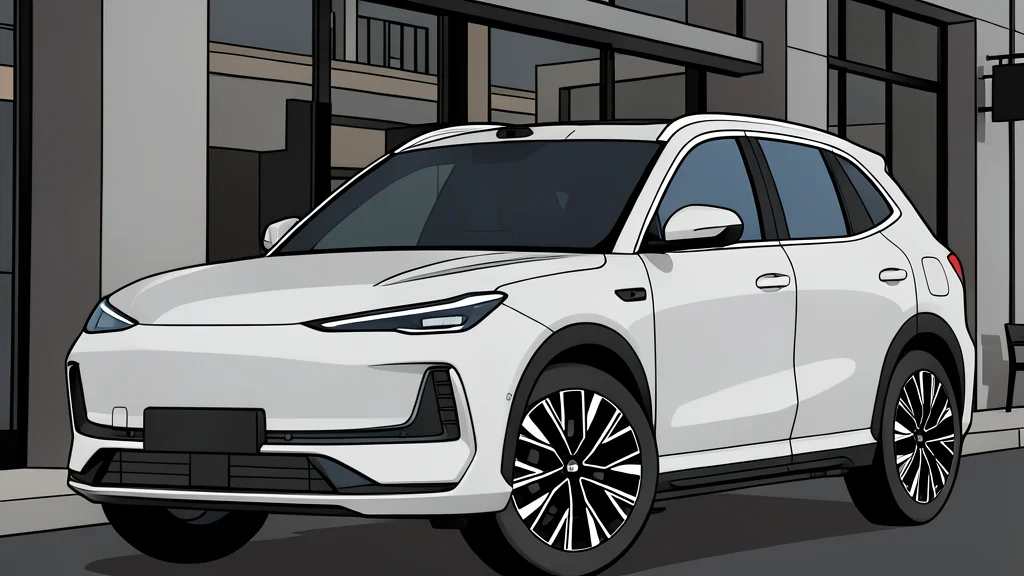
Geely’s new AI-managed system delivers 2.2 megawatts of power, aiming to cut charging times to four minutes for its Galaxy E5 SUV.
Key points
- Geely’s new charging system delivers 2.2 megawatts of power, promising a full top-up in roughly four minutes.
- The technology relies on AI-driven thermal management to prevent battery damage during extreme charge rates.
- China aims to install 300,000 high-power charging stations by 2030 to support a fleet of 110 million EVs.
Geely has introduced a new high-power charging system capable of delivering 2.2 megawatts of electricity, a significant leap in speed for electric vehicles. The company claims this technology can complete a full charging session in as little as four minutes, a timeframe comparable to refueling a traditional petrol car.
According to techradar.com, the system is designed for the upcoming Galaxy E5 SUV, which features an 800-volt architecture and a new battery design. While the headline figure is impressive, Geely has not clarified whether the four-minute estimate refers to a standard 10-80% charge or a different metric, leaving some ambiguity about real-world performance.
AI manages intense battery heat
The primary technical challenge in such rapid charging is heat generation, which can permanently damage battery cells. Geely states that its system uses artificial intelligence specifically for thermal control to manage this risk. The company asserts that its battery packs can withstand 3,500 charge-discharge cycles with limited degradation, though independent long-term testing is required to verify these claims.
Rivalry with BYD and Zeekr
This announcement places Geely in direct competition with other Chinese manufacturers. BYD has already deployed 1.5 megawatt chargers in Europe, capable of filling batteries in under ten minutes, while Zeekr offers 1.2 megawatt stations in China. However, access to these ultra-fast systems is often restricted to the most expensive models in their respective lineups, limiting broader consumer access.
Infrastructure needs to scale rapidly
China faces a massive infrastructure buildout to support its growing electric vehicle fleet, with over 110 million EVs predicted on the road by 2030. This requires installing more than 40 million charging points and approximately 300,000 high-power facilities. While high-speed chargers are essential for highway travel, the market also needs cheaper, lower-powered options for overnight residential charging to balance cost and demand.