China's Rail Network May Have Eased Range Anxiety for EV Buyers
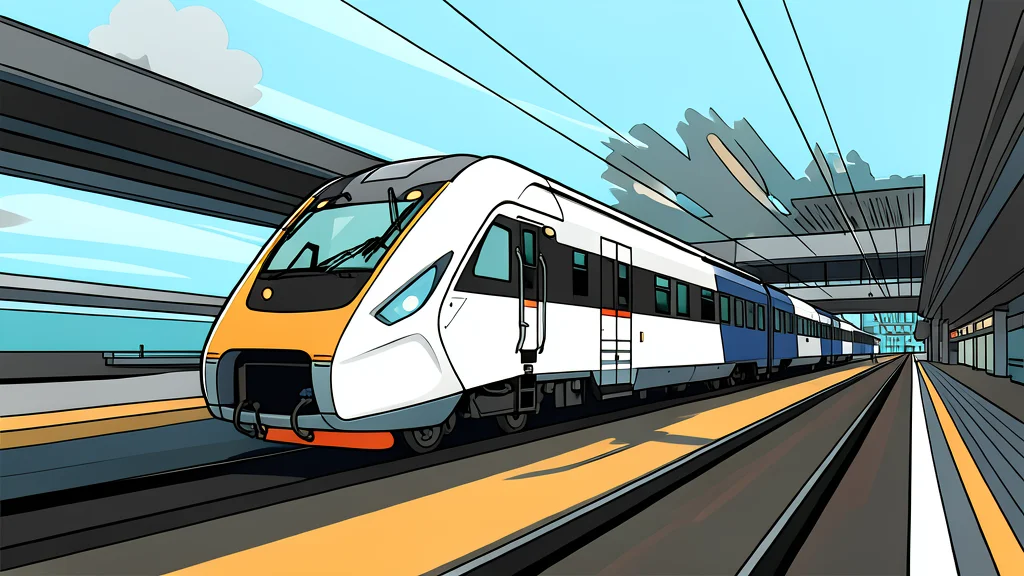
New research suggests that the expansion of high-speed rail in China reduced driver anxiety about long distances, making shorter-range electric vehicles more attractive to consumers.
China’s electric vehicle market has grown far faster than in Europe or the United States, a phenomenon often attributed to government subsidies. However, new research indicates that a less obvious factor played a significant role: the nation's extensive high-speed rail network. By providing a reliable alternative for long-distance travel, the rail system may have alleviated the primary hesitation many buyers have regarding battery range.
According to a study reported by GN auto tech/ev: electric vehicle, EVs are projected to account for roughly 45% of new car sales in China in 2024. This figure dwarfs the approximately 25% seen in Europe and 11% in the US. While similar subsidy programs exist elsewhere, China’s unique integration of efficient rail transport appears to have created a complementary ecosystem that boosts EV adoption in a way other markets have not replicated.
Rail travel reduces range anxiety
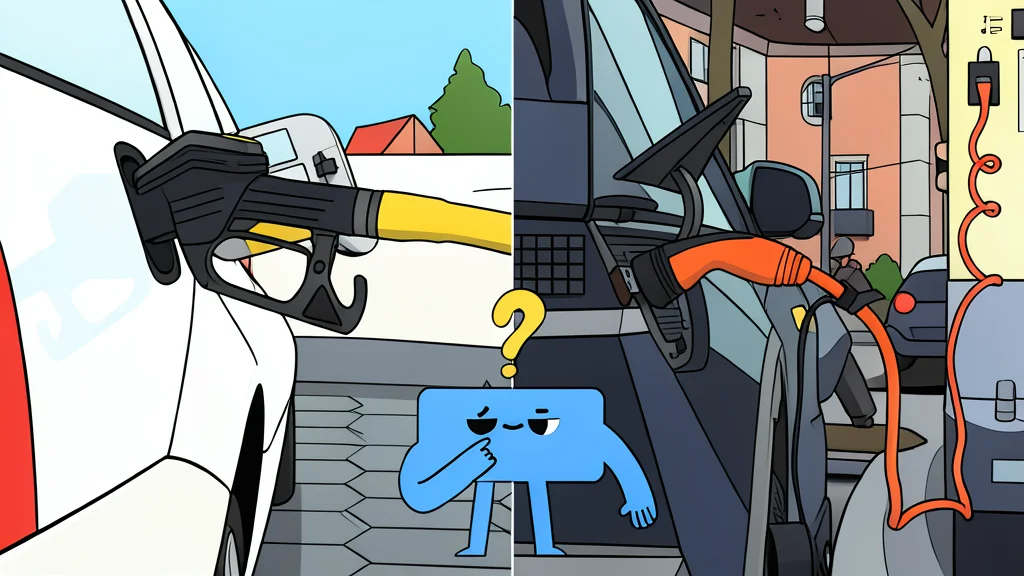
Researchers from the University of Pennsylvania and the Chinese University of Hong Kong hypothesized that high-speed rail and electric vehicles serve complementary roles in daily life. The core concern for many EV buyers is the fear of battery depletion during long journeys. If a city offers convenient, affordable, and fast rail connections, drivers feel less pressure to purchase vehicles with massive batteries, allowing them to opt for cheaper, shorter-range models for local commuting.
The study analyzed monthly sales data from 328 administrative districts between 2010 and 2023. By comparing trends before and after specific cities were connected to the high-speed rail network, the team isolated the impact of rail access. They found that the gradual expansion of the rail system created a natural experiment, showing a clear link between new rail connections and increased EV market share over time.
Cheaper cars gain market share
The data revealed that as cities gained high-speed rail access, the average selling price of electric vehicles dropped by approximately 6.37%. Furthermore, the maximum driving range of purchased EVs decreased. This shift suggests that consumers no longer felt the need to pay a premium for long-range capabilities, as they could rely on trains for inter-city travel. The rail network effectively subsidized the range anxiety that previously deterred budget-conscious buyers.
The effect was not immediate but compounded over time. In the first few years after a city was connected, EV market share rose by about one percentage point. In subsequent years, the increase accelerated, indicating that consumer confidence in the rail-EV combination grew. This trend held true even when controlling for other factors, confirming that the rise in EV sales was not simply a result of cities that already favored EVs being prioritized for rail infrastructure.
Infrastructure synergy drives adoption
This finding highlights a critical trade-off in transportation planning: investing in robust public transit can indirectly stimulate private electric vehicle adoption. By removing the burden of long-distance driving from the personal vehicle, rail infrastructure makes the economic case for smaller, cheaper EVs much stronger. For policymakers, this suggests that building high-speed rail is not just a public transport project but a catalyst for broader decarbonization of the vehicle fleet.
The study also noted that cities with new rail connections tended to expand their EV charging infrastructure, creating a reinforcing cycle of convenience. While other countries have focused heavily on car subsidies, China’s approach of pairing rail expansion with EV growth offers a different blueprint. It demonstrates that the success of electric vehicles may depend less on making them perfect for all situations and more on ensuring that other modes of transport handle the situations where EVs are weakest.