Legacy Carmakers Face Demand Shock as Fuel Prices Spike
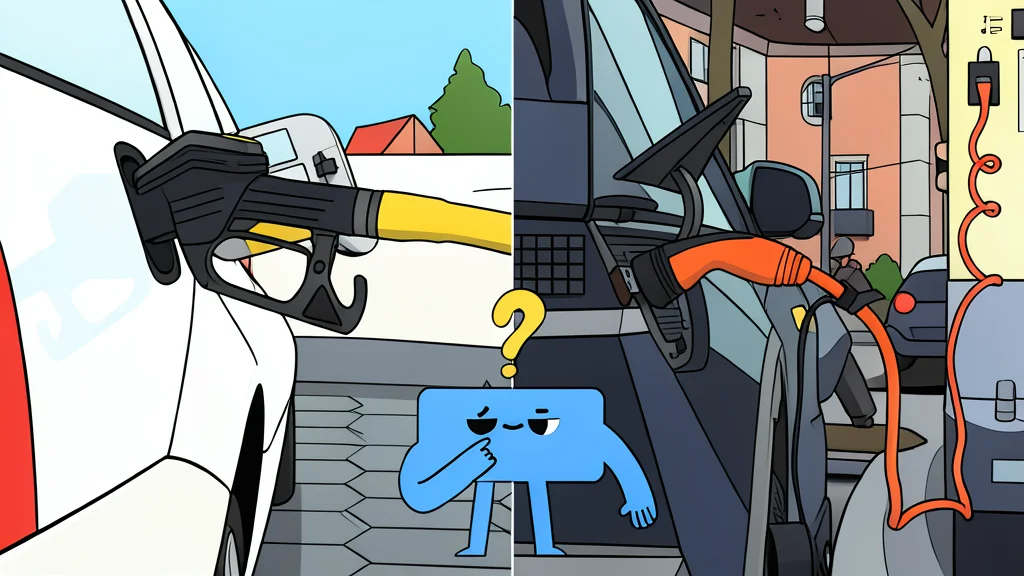
Soaring fuel costs have flipped the market, leaving traditional automakers with unsold gas cars and electric vehicles that are too scarce to meet sudden demand.
The automotive landscape has shifted abruptly due to record-high fuel prices. Consumers who previously hesitated to buy electric vehicles are now rushing to switch, creating an immediate supply gap. Traditional manufacturers, who spent years delaying their electric transitions, are now finding themselves unable to meet this sudden surge in demand.
This rapid change exposes a strategic miscalculation by major legacy brands. They bet that the electric trend was temporary and that consumers would remain loyal to internal combustion engines. Instead, the economic pressure of expensive gasoline and diesel has made electric options the only viable choice for many buyers, leaving carmakers holding inventory of gas models that are now less attractive.
Fuel prices drive sudden market shift
Recent geopolitical tensions have pushed fuel costs to historic highs. In the United States, average diesel prices have reached $6.49 per gallon, while gasoline is nearing similar peaks. In Europe, the situation is even more pronounced, with fuel prices hovering around 2.50 euros per liter. This makes the operating cost of traditional cars significantly higher than electric ones.
For consumers, the math is now clear. Electric vehicles offer substantially lower costs for charging and maintenance. The previous skepticism about electric cars being merely "appliances" has been replaced by a pragmatic desire to avoid fuel expenses. This economic reality is forcing a swift adoption curve, much faster than industry analysts predicted.
Manufacturers struggle to meet new demand
The demand for electric vehicles has outpaced production capacity. Tesla, the market leader, is struggling to fill orders, prompting them to add a third shift at their Berlin factory and import vehicles from China. Other brands like BMW are seeing similar pressure, with their new electric models selling out quickly and factories operating around the clock.
Delivery times for electric cars are stretching into months, a stark contrast to the past when these vehicles sat on dealer lots. This scarcity is frustrating for buyers and highlighting a critical weakness in the legacy automakers' strategy. They have too few electric models in production and too many gas models that are now difficult to sell.
Regulatory delays created a strategic trap
European carmakers successfully lobbied to relax emission regulations, removing the strict ban on selling new gas cars after 2030. They viewed this as a victory, allowing them to continue producing familiar internal combustion engines for longer. However, this delay has left them unprepared for the current market reality.
As reported by GN auto tech/ev: electric vehicle, the industry is now facing a Pyrrhic victory. The ability to keep selling gas cars for a few more years has not protected them from the economic shift. Instead, it has left them with a portfolio that is misaligned with consumer needs, risking long-term relevance in a market that is rapidly electrifying.