China Supplies 80% of Global Battery Cells for EU Cars
Europe leads in battery research but relies heavily on Chinese manufacturing, creating strategic risks for its electric vehicle industry.
Key points
- China produced over 80% of global battery cells in 2025, supplying most European EV brands.
- Chinese brands captured 12.8% of EU EV sales in November 2025, with BYD doubling its registrations.
- Europe faces an industrial governance gap, lacking the coordinated policy and scale seen in China.
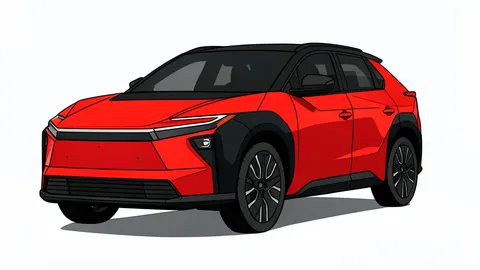
European consumers are increasingly buying electric vehicles, with nearly one in eight cars now carrying Chinese badges. However, the battery cells inside many European-made EVs are also produced in China, revealing a deep structural dependence on Asian supply chains.
This reliance is not just about finished cars. Major European automakers like BMW and Volkswagen source the majority of their battery cells from Chinese manufacturers. While Europe excels in scientific research, it has failed to match China’s integration of policy, market scale, and manufacturing capacity.
Chinese Dominance in Battery Production
In 2025, China accounted for over 80% of global battery cell production. Consequently, nearly 60% of all electric vehicles imported into the EU originated from Chinese factories. This industrial scale allows Chinese brands like BYD to rapidly expand their market share in Europe, doubling registrations in early 2026.
European manufacturers are not immune to this supply chain reality. BMW expects Chinese cell content to exceed 60% of its global battery volume by 2027. Similarly, Stellantis and Volkswagen have formed joint ventures with Chinese giants, importing LFP cells for local assembly rather than producing them domestically.
Research Strength Versus Industrial Gap
Experts argue the issue is not a lack of scientific innovation. Patrick Plötz from Fraunhofer ISI states that Europe has strong research capabilities but suffers from fragmented investment and uncertain policy frameworks. The gap is one of systems and governance, where China successfully coordinated industrial policy and market creation while Europe remained divided.
Technical challenges also persist. Projects like NEMO highlight that lab-based diagnostics struggle to function effectively at the scale of 800-volt vehicle packs. As noted by Infineon’s Norbert Sailer, these technologies may find earlier adoption in stationary storage systems before becoming standard in mobile electric vehicles.
Strategic Risks for Energy Transition
The shift away from oil does not eliminate dependence on other nations. Recycled metals and battery components still require processing know-how concentrated in Asia. To reduce this risk, industry leaders advocate for stable regulatory rules and faster permitting processes rather than one-off subsidies. As Eurasia Review notes, preventing a new strategic dependence is critical for Europe’s long-term energy security.