GPU-Z Update Enables RTX 50 Hotspot Temperature Monitoring
TechPowerUp's latest update allows users to track critical hotspot temps on new graphics cards after a months-long data gap.
Key points
- GPU-Z version 2.71.0 adds support for GeForce RTX 50 hotspot temperature sensors, resolving a data gap present since the launch.
- The update includes new overclocking readouts and PCI-Express bandwidth monitoring for NVIDIA graphics cards.
- TechPowerUp also fixed hardware detection errors for Intel and AMD processors and added support for new GPU models.
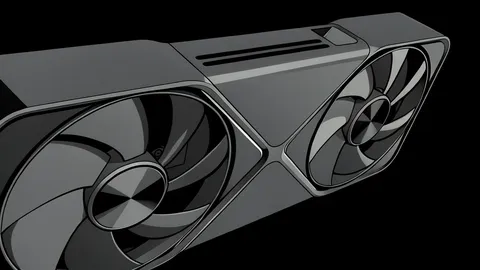
TechPowerUp has released version 2.71.0 of GPU-Z, a widely used tool for monitoring hardware performance. This update resolves a significant gap in data for owners of the latest NVIDIA GeForce RTX 50 series graphics cards. Specifically, the software now provides access to hotspot temperature readings, which are critical for assessing thermal limits and stability.
For several months, users relying on GPU-Z could not view these internal sensor values. The tool previously displayed an invalid reading of 255 degrees Celsius because the data was not accessible through standard interfaces. This limitation meant that enthusiasts and overclockers had to rely on alternative software to verify if their cards were running safely under load.
Access to hidden thermal data restored
The inability to read hotspot temperatures on Blackwell-based GPUs was a notable omission compared to competitors. Other monitoring tools, such as HWiNFO and HWMonitor, successfully accessed this data earlier in the year. HWiNFO added support in August 2026, while HWMonitor implemented it in July. This discrepancy left GPU-Z users without a complete picture of their hardware's thermal state.
It remains unclear exactly how TechPowerUp secured access to these sensors. NVIDIA may have provided a supported interface, or the developers may have adopted an alternative method deemed reliable enough for public release. The key stake for readers is confidence in the data; previous workarounds raised concerns about long-term availability. This update suggests a more stable solution, though users should verify consistency over time.
Expanded reporting for overclocked hardware
Beyond the hotspot fix, the update enhances visibility into overclocking parameters. The advanced tab now displays specific frequencies, including XBAR, SYS, and video clock speeds, along with boost lock status. These details are essential for users who manually adjust their hardware to extract maximum performance. Previously, this data was less accessible or required different tools to interpret.
The release also introduces a sensor for PCI-Express bandwidth throughput, measured in gigabytes per second. This metric helps identify bottlenecks in data transfer between the graphics card and the system. Additionally, the tool now reports the temperature of the hottest memory chip, providing a more granular view of thermal distribution across the board.
Broad hardware support and bug fixes
According to VideoCardz.com, the update includes extensive fixes for device identification and sensor reporting. TechPowerUp corrected issues with transistor counts on older NVIDIA chips and memory detection on Intel processors. This ensures that the software remains accurate for a wide range of legacy and modern systems, not just the latest releases.
The release also adds support for a variety of new hardware, including AMD Steam Machine GPUs and Intel Panther Lake processors. For the average user, the practical impact is a more reliable diagnostic tool. The trade-off for enabling new sensors is minimal, as most additional data points are disabled by default to prevent clutter in the main interface.