Genesis Targets Future EV Workforce with Georgia Youth Programs
Genesis donates $65,000 to local youth groups near its new plant, aiming to shape the skilled workforce it needs for a decade.
Key points
- Genesis donated $65,000 to five youth groups in coastal Georgia to support local communities near its new EV plant.
- The funding supports a workshop at a local middle school focused on vehicle design and advanced manufacturing concepts.
- The strategy aims to recruit a workforce skilled in automation and AI, aligning with the high-tech nature of the new Bryan County facility.
Genesis has allocated $65,000 to five youth organizations in coastal Georgia, a move that appears on the surface to be standard corporate philanthropy. However, the funding is strategically linked to the construction of Hyundai Motor Group’s new electric vehicle manufacturing complex in Bryan County.
The donations support groups like First Tee Savannah and Girls on the Run, while also funding a hands-on workshop at a local middle school. This initiative is not just about community goodwill; it is a long-term effort to cultivate the specific technical skills required for the advanced automation systems planned for the new factory.
Donations Align With Major Plant Investment
The financial commitment sits alongside a much larger economic deal. Hyundai Motor Group has secured an agreement worth over $7.5 billion for a 2,900-acre site near Savannah. This complex is expected to employ more than 8,500 people directly, with thousands more jobs created at outside suppliers.
As reported by theautowire.com, the $65,000 donation is a small fraction of the total investment but serves a precise purpose. It targets the school districts closest to the plant, ensuring that local students are exposed to the technology early. This approach differs from traditional recruiting, which often waited until high school or college to engage potential employees.
Workshops Focus On Advanced Automation Skills
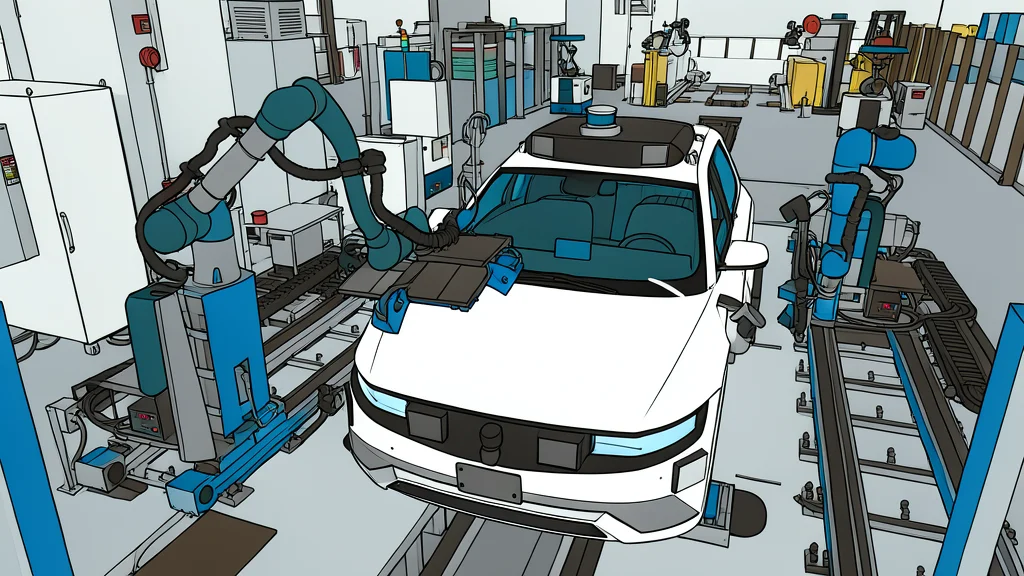
The new manufacturing facility is designed for high flexibility, using robots and AI-driven systems to manage production. This setup requires workers who can troubleshoot complex machines and understand automated logistics, rather than just performing manual assembly tasks. The skills needed are significantly different from those of previous automotive generations.
In response, Genesis staff and designers led a workshop at Ebenezer Middle School in Rincon. Students explored vehicle design and built concepts using upcycled materials. This educational session was led by people who build cars for Hyundai’s brands, introducing middle schoolers to the exact disciplines they might need for jobs at the plant a decade from now.
Recruitment Strategy Shifts Toward Earlier Education
The plant is also preparing for a high level of automation, including the use of humanoid robots for parts sequencing. Because the facility is non-union and built from the ground up, it faces no legacy labor disputes. This allows the company to define job roles and workforce requirements entirely from scratch, prioritizing digital literacy and systems thinking over traditional manual labor.
By starting engagement with students in middle school, Genesis is aiming to influence the pipeline of future talent. The trade-off is that these students are being funneled toward a highly specialized, automated environment. While this creates opportunities for high-tech roles, it also means the local workforce will be shaped to fit a rigid, automated production model rather than a flexible, human-centric one.