Soviet Luna 16 Returns 101 Grams of Lunar Soil to Earth
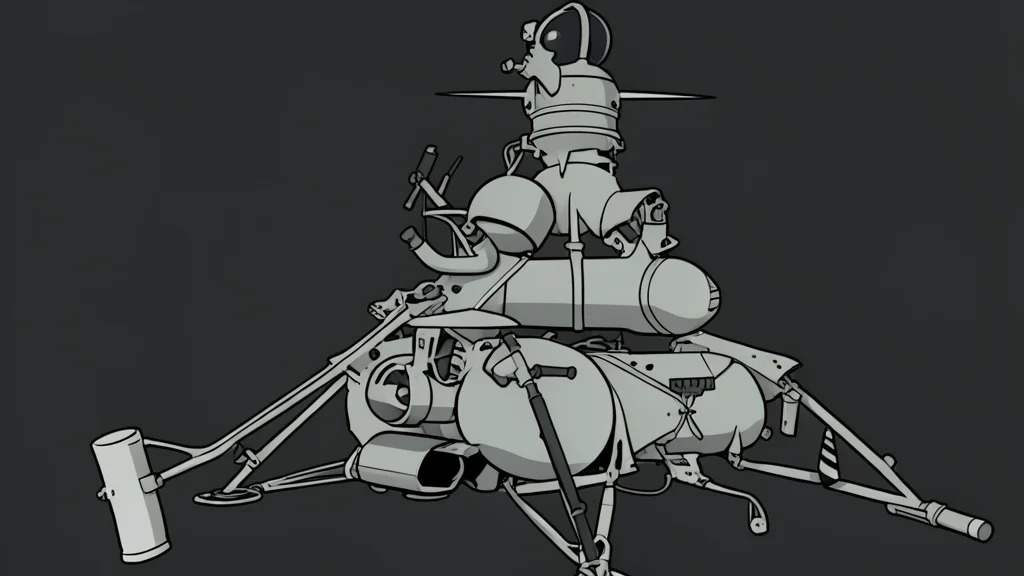
In 1970, a robotic probe successfully drilled into the moon, marking the first automated sample return to Earth.
Key points
- Luna 16 was the first robotic spacecraft to land on the moon and return a soil sample to Earth.
- The probe drilled 35 centimeters into the lunar surface to collect 101 grams of soil during the night.
- The mission succeeded after five previous Soviet attempts to return lunar samples had failed.
On September 20, 1970, the Soviet spacecraft Luna 16 touched down on the lunar surface. This event marked the first time a robotic vehicle successfully collected lunar material and sent it back to Earth without human intervention.
The mission was a critical achievement for the Soviet space program, which had previously failed five times to achieve a sample return. As reported by Space, this success demonstrated that automated systems could perform complex geological tasks, offering a safer alternative to risky crewed flights during the height of the Space Race.
Drilling in the lunar night
Luna 16 landed in the Sea of Fertility, a region known for its dark basaltic plains. The probe drilled approximately 35 centimeters into the ground to extract a core sample. This process took about seven minutes and was conducted entirely in darkness, making Luna 16 the first moon probe to land and operate during the lunar night.
A modest but historic yield
The spacecraft retrieved 101 grams of lunar soil, a quantity significantly smaller than the tons of rock brought back by Apollo astronauts. However, this small sample was sufficient to prove the viability of robotic drilling. The sample capsule launched from the moon on September 21 and landed in the steppes of Kazakhstan on September 24.
Reducing risk through automation
The primary motivation for Luna 16 was to avoid the high costs and dangers associated with crewed lunar missions. The Soviet N-1 rocket, intended for crewed flights, was plagued by explosive failures. By proving that robots could drill and return samples, the mission established a precedent for safer, more cost-effective planetary exploration that continues to influence spaceflight today.