Honda Prologue Driver Questions $400 Bill Spike
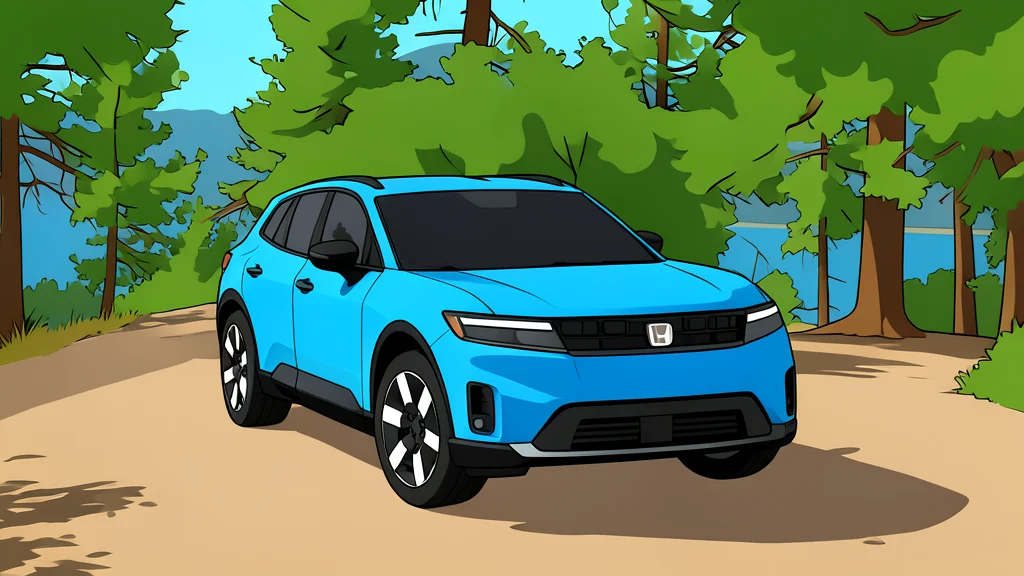
A Honda Prologue owner reports a significant jump in their monthly electric bill, but a closer look at the energy data suggests the vehicle itself may not be the sole culprit behind the increased costs.
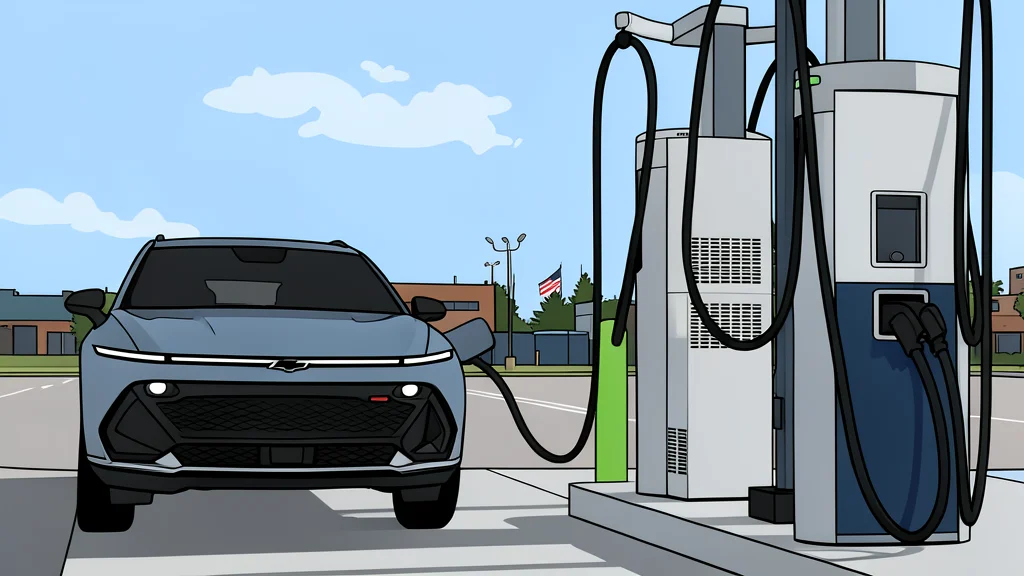
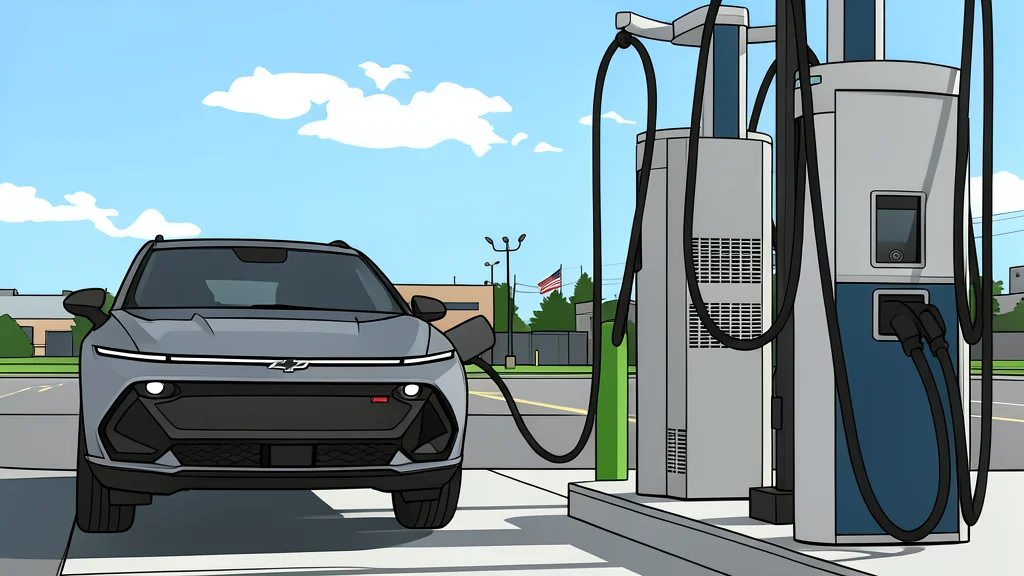
A driver of the Honda Prologue recently shared a concerning experience on social media, noting that their household electric bill rose from approximately $200 to $600 per month. This occurred despite charging the vehicle overnight under a specific time-of-use rate plan designed for electric vehicles. The driver initially assumed the SUV was responsible for the entire $400 increase, a figure that would effectively erase the financial advantages of switching from gasoline to electricity.
However, further analysis of the vehicle’s efficiency data suggests a different reality. By calculating the energy required for the reported monthly mileage, the actual charging cost for the Prologue appears to be significantly lower, closer to $200. This discrepancy highlights a common challenge for new EV owners: distinguishing between vehicle-specific energy consumption and broader household electricity usage.
Calculating the Actual Energy Cost
To understand the true cost, we can look at the raw numbers provided by the driver. The owner reported driving roughly 2,000 miles per month with an average efficiency of 3.9 miles per kilowatt-hour. Dividing the total miles by the efficiency yields approximately 513 kilowatt-hours of energy delivered to the battery. At the driver’s estimated rate of $0.34 per kilowatt-hour, this translates to a direct energy cost of about $175.
Accounting for charging losses, which typically reduce efficiency by around 10%, the total draw from the wall socket rises to roughly 570 kilowatt-hours. This brings the estimated cost to approximately $194. This figure is based on reported inputs rather than direct meter readings, but it aligns closely with the baseline cost of the household before the vehicle was added. The gap between this calculated figure and the reported $400 increase suggests that other factors are at play.
Household Variables Affect the Bill
The driver initially claimed that no other household appliances had changed in usage. However, they later acknowledged that air conditioning could be a contributing factor. Unlike gasoline, which is purchased separately for the car, electric charging shares the same meter as the refrigerator, lights, and climate control systems. Without detailed sub-metering, it is difficult for an owner to isolate exactly how many kilowatt-hours are attributable to the vehicle versus the rest of the home.
GN auto tech/ev noted that this confusion is common among new adopters. The convenience of home charging means that the vehicle’s energy use becomes invisible within the total bill. If the trip computer’s efficiency average does not perfectly match the billing period, or if weather-driven appliances like air conditioners are running more frequently, the final number on the bill can look drastically different from the theoretical cost of driving.
Understanding Time-of-Use Rates
The driver was using Southern California Edison’s TOU-D-PRIME plan, which offers lower rates for charging after 9 p.m. The published off-peak rate is 26 cents per kilowatt-hour, plus a daily base charge. While the driver’s estimated 34-cent total includes taxes and fees, it remains within the range of expected off-peak costs. The issue is not necessarily the rate structure, but rather the lack of visibility into how that rate applies to the specific mix of household and vehicle usage.
This case serves as a reminder that EV ownership involves a different kind of financial literacy. Owners must monitor not just the car’s range, but the overall pattern of home energy consumption. The Prologue itself appears to be efficient, delivering close to its rated performance. The mystery lies in the household’s total demand, suggesting that the jump in the bill is likely a combination of seasonal appliance use and the new baseline load added by the electric vehicle.