Karnataka Approves Billion-Dollar Data Centre Strategy
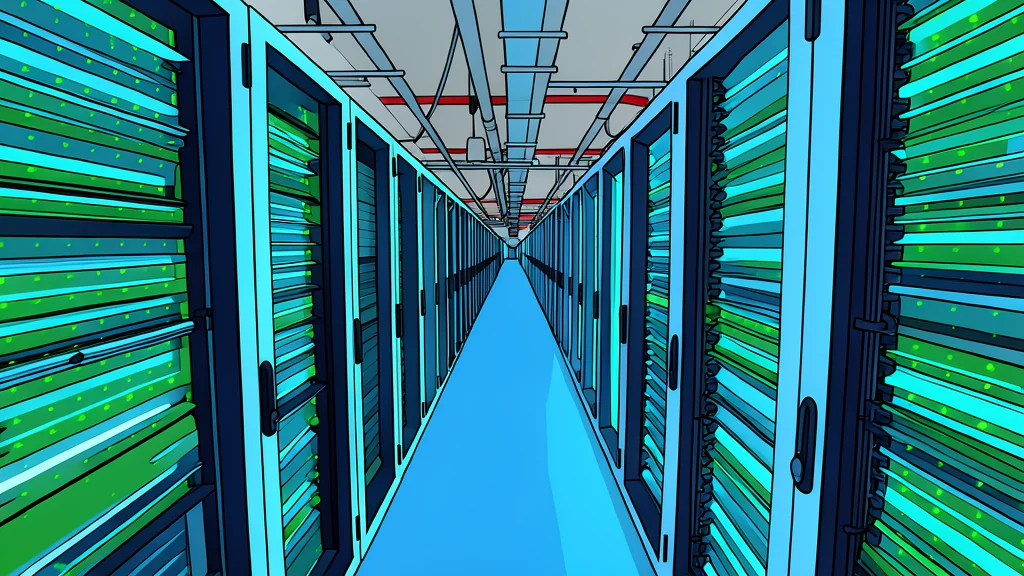
Karnataka has cleared a major infrastructure package to position itself as a central hub for India's artificial intelligence and cloud computing needs.
The state cabinet has approved a Sustainable Data Centre Policy for the period 2026 to 2031, backed by a budget of 1,300.45 crore rupees. This move is designed to support the rapid growth of digital services, including AI systems, 5G networks, and global capability centers that require immense computational power.
According to GN auto tech/cloud: cloud infrastructure, the strategy aims for Karnataka to hold a significant share of the nation's AI-ready capacity. The state targets one gigawatt of cumulative data centre IT load by 2031, a figure that reflects a serious commitment to becoming a primary destination for high-demand digital operations.
Massive Power Demands Define New Infrastructure
The concept of a one-gigawatt IT load refers specifically to the electricity required by computing equipment such as servers and storage systems. It is not merely a measure of building size but an indicator of the scale of active processing power. This distinction is critical because it highlights the primary trade-off in this expansion: the need for reliable and massive energy supplies.
National estimates suggest that AI data centers could add over 26 gigawatts of electricity demand across India by 2032. Consequently, attracting these facilities requires more than just land; it demands robust power grids, renewable energy sources, and advanced cooling systems to manage the heat generated by thousands of operating machines.
State Competition Intensifies for Digital Hub Status
Karnataka is entering a crowded market where other states are aggressively pursuing similar goals. Maharashtra currently holds a dominant share of the country's existing capacity and has set its own targets for 2032. Uttar Pradesh is also aiming to significantly expand its infrastructure by 2030.
Industry projections indicate that India's total data center capacity could grow from roughly 1.8 gigawatts in 2026 to over 6.7 gigawatts by 2030. In this context, Karnataka's policy is a strategic attempt to secure a stable portion of this projected growth, leveraging its existing IT ecosystem to capture a larger slice of the national pie.
Parallel Push Into Marine Biotechnology
Alongside its digital ambitions, the cabinet approved a separate 120 crore rupee policy for marine biotechnology. This initiative seeks to transform the state's coastal economy by increasing the value of marine products from two billion dollars to between six and eight billion dollars by 2031.
The plan includes establishing a dedicated institute for marine biotechnology and developing zones for specialized research. It also proposes incentives for high-value products derived from seaweed, such as biofuels and bioplastics, while piloting a carbon certification program to measure environmental benefits from coastal ecosystems.