Huawei Tops China Smartphone Market as Apple Slips

Huawei leads China's smartphone sales in week 37, driven by new foldable devices, while Apple drops to sixth place despite recent product launches.
Huawei has reclaimed the top spot in China’s smartphone market for the 37th week of 2024, capturing a 27% market share. This achievement stands out because the overall market contracted by nearly 10% during the same period, indicating that the company’s growth is driven by strong consumer demand rather than general market expansion. The surge coincides with the launch of its new triple foldable device, which analysts suggest played a decisive role in shifting buyer preferences away from competitors.
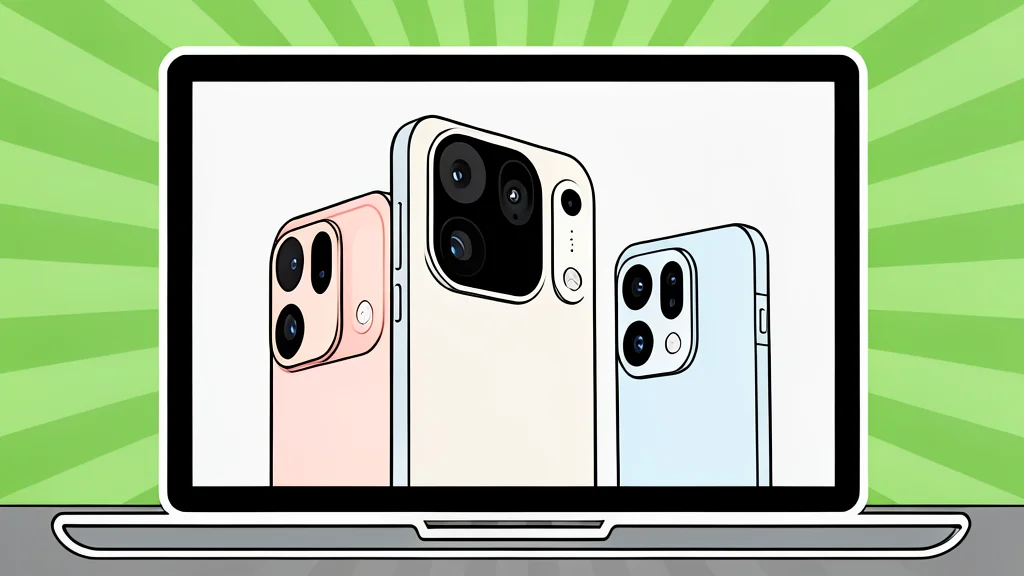
In contrast, Apple has fallen to sixth place in the rankings, a significant drop for the brand. This decline occurred even though the company introduced its first foldable phone and the iPhone 18 Pro models during the same week. The setback highlights the intense competition in the premium segment, where Huawei is successfully leveraging its home-market advantage and aggressive hardware releases to capture share from established Western rivals.
New hardware drives market shift
The primary driver for Huawei’s success is the release of the Mate XT 2, a triple foldable smartphone introduced on September 7. The device features the Kirin 9050 Pro chip and runs on HarmonyOS 7, marking a significant step in the company's push for high-end mobile technology. According to reports from GN technics/mobile, this launch, along with the Pura X View wide flat-screen phone, directly boosted sales figures and pushed the brand to the top of the weekly rankings.
Competitors are also responding aggressively to the changing landscape. Xiaomi secured second place with a 14.2% market share, aided by the launch of its first wide foldable, the Xiaomi 18 Fold. This device is powered by the XRING O3 processor, signaling that other manufacturers are prioritizing foldable form factors to compete for premium buyers. The rapid adoption of these new device types suggests that the market is undergoing a structural shift in consumer preferences.
Competitors tighten the middle tier
The middle tier of the market remains fiercely contested. OPPO and vivo tied for third place with an identical 14.0% market share each. Within this figure, sub-brands like iQOO and realme contributed to the overall total, showing that ecosystem strategies are still effective in capturing volume. Honor followed in fifth place with a 13.2% share, building momentum ahead of the release of its upcoming Magic 9 series, which is expected to further challenge the leaders in the coming months.
Apple faces pricing and preference challenges
Apple’s drop to sixth position reflects broader challenges in the Chinese market. Despite the introduction of new hardware, the brand is seeing a major decline in weekly sales volume. However, some reports indicate that the new-generation iPhones are still selling well, suggesting that the drop may be temporary or influenced by specific regional pricing adjustments. The situation illustrates the trade-off Apple faces: maintaining premium pricing in a market where local competitors offer comparable or superior features at competitive price points.