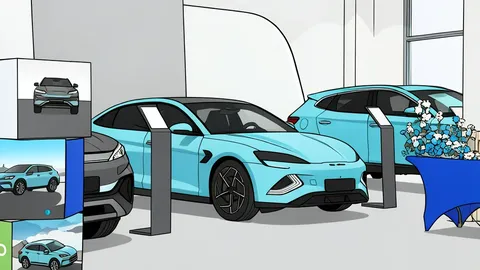
Nissan Rogue Hybrid Uses Gasoline Only to Generate Electricity
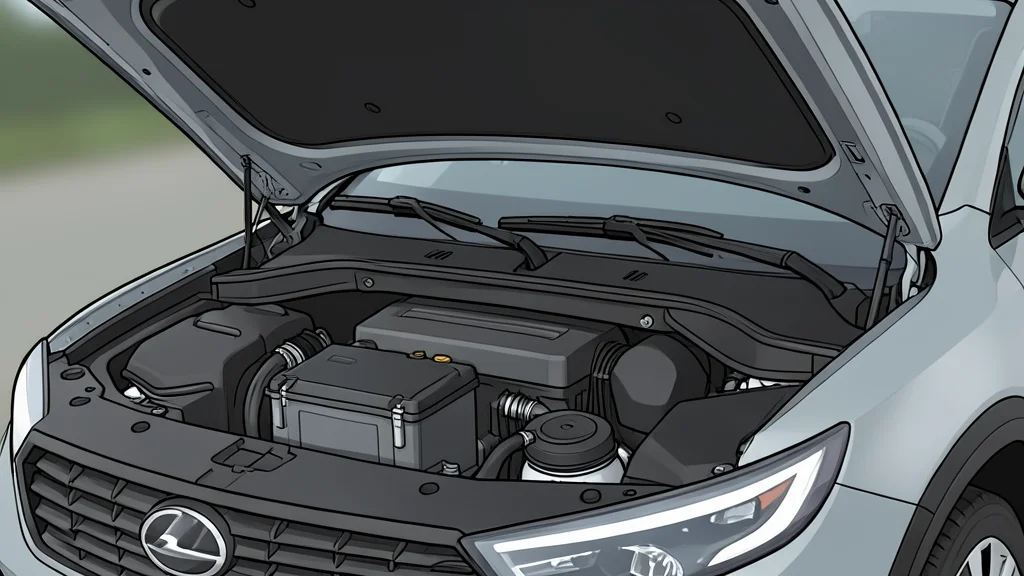
The 2027 Nissan Rogue Hybrid is a series hybrid that runs on gas but drives like an EV, achieving an estimated 38 mpg without a charging port.
Key points
- The 2027 Nissan Rogue Hybrid is a series hybrid where the gasoline engine only generates electricity.
- It achieves an estimated 38 mpg and offers a smoother, quieter ride than parallel hybrid competitors.
- Nissan is the latest major automaker to enter the hybrid compact SUV segment with this new model.
The 2027 Nissan Rogue Hybrid offers a unique solution for drivers seeking electric-like performance without the inconvenience of plugging in. Unlike traditional hybrids where the engine can directly drive the wheels, this model uses gasoline strictly to generate electricity for its motors.
Nissan is late to the hybrid SUV market, joining rivals like Toyota and Honda, but its approach distinguishes it from competitors. The vehicle promises a smoother, quieter ride while maintaining a fuel economy rating of 38 mpg, according to early assessments by Charged EVs.
Series hybrid architecture differs from standard rivals
Most hybrid SUVs in the segment, such as the RAV4 and CR-V, use parallel hybrid systems. In those cars, the gasoline engine can engage directly to power the wheels alongside the electric motor. This allows for direct mechanical power transfer but can result in a less seamless driving experience.
The Rogue operates as a series hybrid, meaning the internal combustion engine acts solely as a generator. It produces electricity that either charges the battery or powers the electric motors directly. The only thing that turns the wheels is the electric motor, creating a driving feel closer to a pure electric vehicle.
Driving experience feels smoother and quieter
Test drives on winding mountain roads revealed that the Rogue Hybrid is noticeably smoother and quieter under hard acceleration than its parallel hybrid competitors. The system eliminates the mechanical vibration often associated with engine engagement, providing a more refined experience.
The car also features an e-Pedal mode that allows for one-pedal driving with strong regenerative braking. While this enhances convenience and efficiency, the trade-off is that the system has not yet been tested for sustained high-speed highway performance, which will be the focus of future long-term reviews.
Late arrival fills a significant market gap
Nissan has lacked a hybrid compact SUV for over a decade, leaving competitors to dominate this growing segment. The 2027 model marks the fourth generation of the Rogue and is the first to offer this body style with a hybrid powertrain, addressing a long-standing consumer demand.
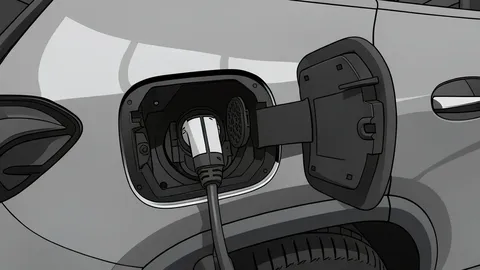
With gasoline prices rising and hybrid demand increasing, the Rogue enters the market at a critical time. However, dealers may struggle to explain the technical differences to customers. The main advantage is the refined, EV-like drive, but buyers must accept that it is not a plug-in electric vehicle and cannot operate on battery power alone.