Signs Your EV Battery Needs Attention
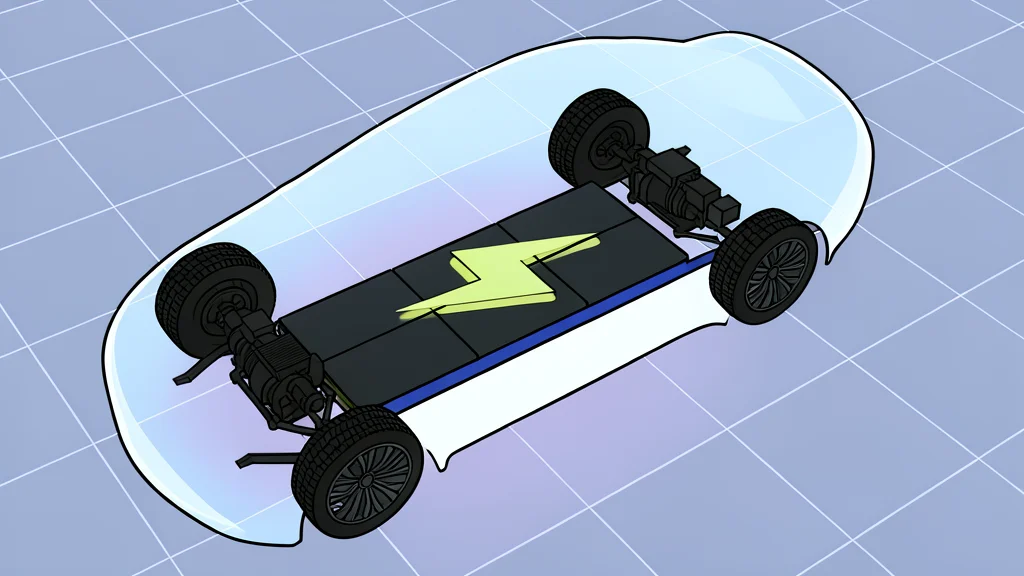
Electric vehicle batteries degrade slowly, but certain behavioral shifts indicate a need for professional diagnosis rather than simple aging.
Many drivers assume that a gradual decrease in driving range signals an imminent battery failure. In reality, electric vehicle batteries lose a small portion of their storage capacity over time as a natural part of aging. This slow decline is distinct from a sudden malfunction and does not necessarily mean the pack is broken. The key distinction lies in whether the loss is consistent with normal wear or if it represents an unexpected drop in performance.
According to data reviewed by Engadget, complete battery failures are relatively rare in modern electric vehicles. A Department of Energy analysis of roughly 15,000 plug-in cars found that only 1.5 percent required battery replacement due to failure, excluding recall-related issues. For most owners, the question is not whether the battery has lost some range, but whether the current behavior deviates significantly from the vehicle's established pattern.
Normal aging affects range gradually
Battery capacity fades at a predictable rate, typically around 2.3 percent per year based on recent fleet analyses. This degradation is influenced by environmental factors such as extreme heat or cold, charging habits, and the chemistry of the specific battery pack. Consequently, a temporary drop in range during winter months or after a long highway trip is often a result of energy used for cabin heating or high-speed driving, not permanent battery damage.
To distinguish between temporary range loss and permanent degradation, drivers should compare their efficiency under similar conditions. If a specific commute requires noticeably more energy than it did months ago, despite identical weather and route, that points toward genuine battery aging. Isolated instances of lower range are less concerning than a persistent trend that reduces the usable distance between charges.
Sudden changes signal potential faults
Unlike gradual fading, abrupt changes in vehicle behavior warrant immediate attention. A sharp, unexplained drop in available range, a new limit on maximum charge level, or reduced acceleration can indicate an internal battery fault. These symptoms are often accompanied by high-voltage system warnings on the dashboard. While the specific alerts vary by manufacturer, the presence of such codes suggests the vehicle has detected an issue that a driver cannot resolve through simple driving adjustments.
Charging speed is another area where drivers often misinterpret data. Slower charging sessions can be caused by battery temperature, state of charge, or charger limitations rather than battery health. Therefore, a single slow charge is not definitive proof of failure. However, if a persistent slowdown in charging speed occurs alongside other performance drops or warning lights, it strengthens the case for a deeper technical inspection.
Diagnosis precedes full replacement
Before considering the cost of a full battery pack replacement, the most logical step is a professional health check. Qualified service centers can read diagnostic codes and analyze battery data to determine if the issue is ordinary degradation, a repairable module fault, or a systemic failure. This diagnostic process helps avoid unnecessary expenses by identifying whether a partial repair is possible or if the entire pack truly needs to be swapped.