Tesla and Sunrun Dispatch Record 580 MW to California Grid
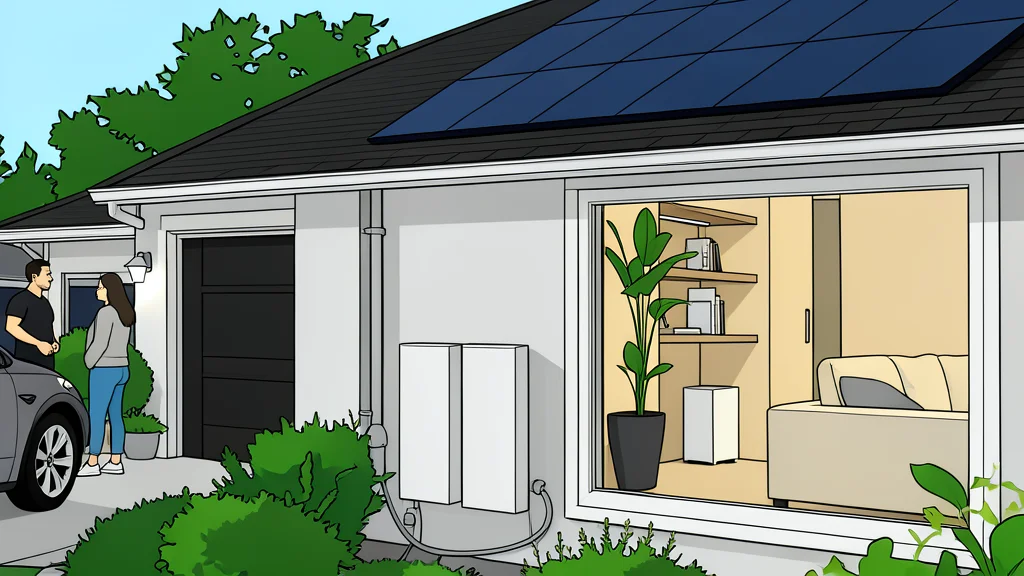
Over 140,000 home batteries delivered record power to the California grid during a heat wave, outperforming traditional gas plants.
Key points
- 140,000 home batteries delivered a record 580 MW to the California grid on September 9.
- The dispatch exceeded the capacity of many natural gas peaker plants, reducing the need for new fossil fuel infrastructure.
- Projected savings for Californians reach $206 million by 2028, with homeowners paid for grid support.
During a severe heat wave on September 9, a network of home batteries delivered a record 580 megawatts to the California grid. This marked the largest single dispatch event ever recorded for residential distributed storage, effectively turning thousands of individual households into a massive power plant.
The operation pooled more than 140,000 battery units, the majority of which were Tesla Powerwalls. The three-hour evening dispatch helped stabilize the grid as air-conditioning demand spiked, demonstrating that decentralized storage can compete with conventional energy infrastructure.
Home batteries outperform gas plants
The 580 MW output exceeded the capacity of many typical natural gas peaker plants, which usually range between 50 and 250 MW. By aggregating existing hardware in garages, the system avoided the need to build new fossil fuel facilities or maintain expensive idle capacity.
This approach leverages infrastructure that is already installed and in use. It provides a faster and often cheaper solution for meeting peak demand, shifting the burden from centralized utilities to distributed residential assets.
Programs trigger automatic grid support
The event was coordinated through two California regulatory programs. The Demand Side Grid Support program activated automatically when electricity prices crossed a specific threshold, while the Emergency Load Reduction Program was triggered directly by utilities as conditions worsened.
The success was not a one-time event. The following evening, the system dispatched an additional 140 MW at the request of a major utility, showing consistent reliability during consecutive high-demand days.
Financial savings for California residents
According to data cited by Electrek, this distributed model is projected to save Californians up to $206 million by 2028. Homeowners receive payment for the electricity their batteries send back to the grid, creating a direct financial incentive for participation.
While the model offers significant cost benefits and speed, it relies on specific regulatory frameworks and price signals that are not yet present in most other states. The long-term impact on utility-scale storage markets remains an open question.