Volvo 80-Tonne Truck and Electreon Wireless Charger Launch
New heavy-duty electric trucks from Volvo and Scania target long-haul routes, while Electreon unveils a trench-free wireless charging pad for fleets.
Key points
- Volvo's FH Electric offers 450 km range for 80-tonne loads, charging 20-80% in 36 minutes via MCS.
- Scania's new long-haul model reaches 720 km range by adding 356 kWh of battery capacity behind the cab.
- Electreon's Lite DOT charger delivers 11 kW wirelessly without ground excavation, targeting fleet depots and driveways.
The heavy-duty electric vehicle sector is seeing a significant push toward long-haul capabilities and infrastructure simplification. Recent announcements from Volvo Trucks and Scania focus on extending the range of their rigid chassis models to compete with diesel alternatives on major freight corridors. Simultaneously, Electreon is introducing a new wireless charging solution that aims to remove the physical need for cables in fleet operations.
These developments, reported by AUTO Connected Car News, highlight a shift toward high-capacity battery systems and user-friendly charging methods. The new hardware is designed to address specific pain points for logistics companies, such as limited driving range per charge and the operational friction of manual plugging.
Volvo targets 80-tonne heavy haul
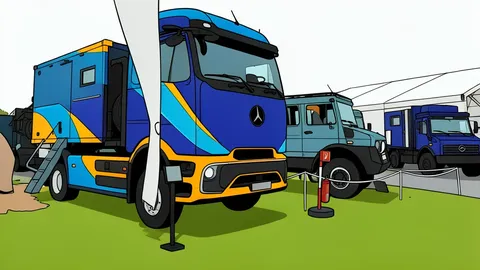
Volvo Trucks has introduced an extended-range version of its FH Electric chassis, specifically engineered for truck-and-trailer combinations with gross combination weights up to 80 tonnes. This configuration offers a range of 450 kilometers at a 64-tonne load, dropping to 420 kilometers at 76 tonnes. Deliveries are scheduled to begin in early 2027 in several Nordic and European countries, including Sweden, Norway, and the Netherlands.
The truck utilizes a 640 kWh battery pack and a multi-motor drive system paired with an eight-speed electric transmission. To support rapid turnaround times, the vehicle supports Megawatt Charging System (MCS) connections, which can recharge the battery from 20 to 80 percent in approximately 36 minutes. A standard CCS2 connection performs the same task in about 70 minutes. The main trade-off is the weight of the battery, which reduces the available payload capacity compared to lighter electric variants.
Scania extends range to 720 km
Scania has also expanded its electric lineup with a long-haul configuration that achieves a 720-kilometer range on a single charge. This is accomplished by adding two MP20 modular battery packs behind the cab, contributing roughly 356 kWh of supplementary capacity to the existing under-cab storage. This design allows fleet operators to balance energy density against regional payload regulations more effectively.
The additional battery volume is integrated with Scania’s aerodynamic front profile to maintain efficiency. While this setup maximizes range for intercity freight, it requires careful planning for heavy loads where every kilogram of usable payload is critical. The extra weight of the battery must be accounted for in route planning to ensure compliance with weight limits.
Wireless charging reduces manual effort
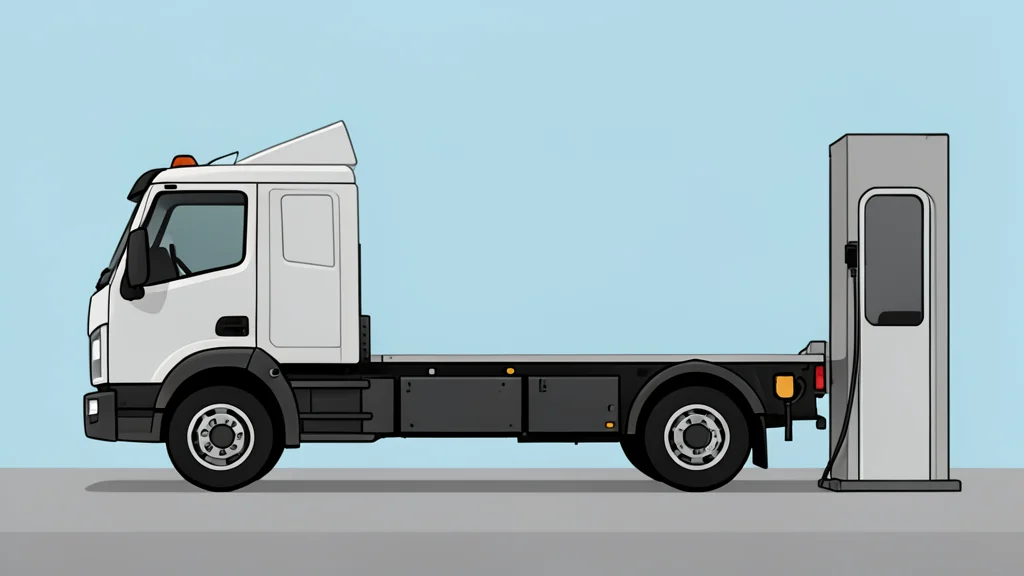
Electreon Wireless Ltd. has unveiled Lite DOT, a stationary inductive charging platform for passenger EVs, light commercial vehicles, and autonomous fleets. The system delivers up to 11 kW of power using a surface-mounted pad and a wall-mounted control unit. This design eliminates the need for trenching and civil excavation, which has historically been a barrier to deploying wireless charging infrastructure.
The technology is rated for continuous outdoor use in temperatures ranging from -30 to +50 degrees Celsius. It automates the charging process by detecting vehicle alignment and initiating power transfer without human intervention. The primary benefit for fleet operators is the reduction of wear and tear on connectors and the elimination of manual plugging time. However, the lower power output of 11 kW means it is best suited for opportunity charging rather than rapid top-ups.