Volvo PHEVs Claim 78-Mile Electric Range in US Market
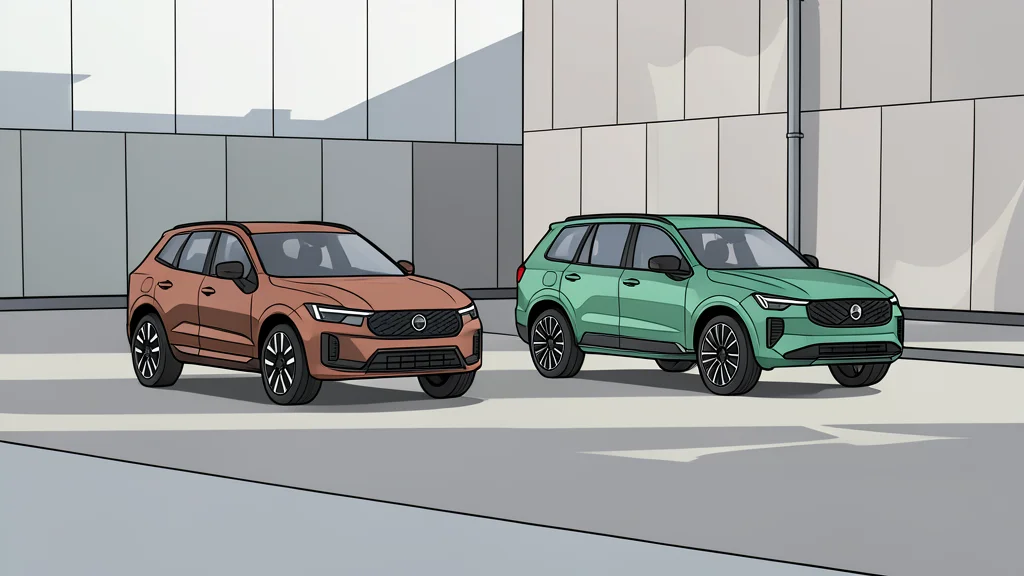
Volvo's updated XC60 and XC90 plug-in hybrids offer up to 78 miles of electric driving, aiming to cover daily commutes without gasoline.
Key points
- Volvo's new XC60 PHEV claims up to 78 miles of electric range, the highest in the US market.
- The XC90 PHEV offers up to 73 miles of electric range, doubling the capability of older models.
- These models serve as a bridge to full EVs, offering gas backup for long trips.
Volvo is taking a significant step in its electrification strategy by introducing long-range plug-in hybrid versions of its XC60 and XC90 SUVs. The Swedish automaker claims these models will deliver up to 78 miles of electric driving range for the XC60 and 73 miles for the XC90, marking a substantial increase over previous iterations.
According to reporting from fox59.com, these preliminary figures would make the new SUVs the plug-in hybrids with the longest electric range in the American market if final certification holds. This move positions the vehicles as a practical bridge for drivers who want to minimize gasoline use for daily commutes while retaining the flexibility of an internal combustion engine for longer trips.
Expanding the Electric Range Buffer
The improvement comes from a larger battery integrated into the vehicle floor and a more powerful electric motor. Volvo states that this setup offers more than double the electric range of its existing plug-in hybrid lineup. For many drivers, this means the vehicle can handle a full week of local errands and commuting on electricity alone, provided they charge regularly.
However, the benefit is conditional on user behavior. The primary trade-off of a plug-in hybrid is the dual propulsion system. Owners who rarely plug in end up carrying the extra weight and cost of both a battery and a gasoline engine without gaining the fuel efficiency benefits of the electric mode. The vehicle performs best only when it is treated primarily as an electric car for daily use.
Strategic Importance of Key Models
The XC60 and XC90 are not just any models for Volvo; they are central to the brand's identity. The XC60 is the company's best-selling model of all time, while the XC90 serves as its flagship for safety and premium design. By upgrading these specific nameplates with high-capacity batteries rather than replacing them with fully electric versions, Volvo is betting on the middle ground of the market.
This strategy allows the company to address consumer hesitation regarding full electric vehicles, such as range anxiety or the lack of charging infrastructure on long trips. By offering a vehicle that functions like an EV for short distances but includes a gas engine for long hauls, Volvo aims to attract a broader audience that may not be ready to abandon gasoline entirely.
Real-World Range and Certification Caveats
It is important to note that the 78-mile and 73-mile figures are preliminary estimates based on EPA testing standards. Actual real-world range can vary significantly depending on driving speed, weather conditions, terrain, and climate control usage. Volvo acknowledges that these numbers are not guarantees but rather standardized estimates.
Even with potential reductions in actual performance, starting with a rated range above 70 miles provides a much larger electric buffer than previous models that offered 25 to 40 miles. This substantial increase changes the calculus for buyers, making the plug-in hybrid a more viable option for those seeking to reduce their dependence on gasoline without the constraints of a fully electric vehicle.